An auto service garage can play an important role in keeping a vehicle reliable, safe, and ready for everyday use. While modern vehicles contain increasingly sophisticated technology, many drivers still value the personal service, practical advice, and ongoing relationships that come from working with a local workshop.
Local garages are more than places where vehicles are repaired after something goes wrong. They can become part of a driver’s wider approach to vehicle care, helping with routine servicing, inspections, diagnostics, repairs, and maintenance planning. For motorists who want consistent support over the life of a vehicle, choosing a suitable garage can make vehicle ownership easier to manage.
What Makes an Auto Service Garage Useful?
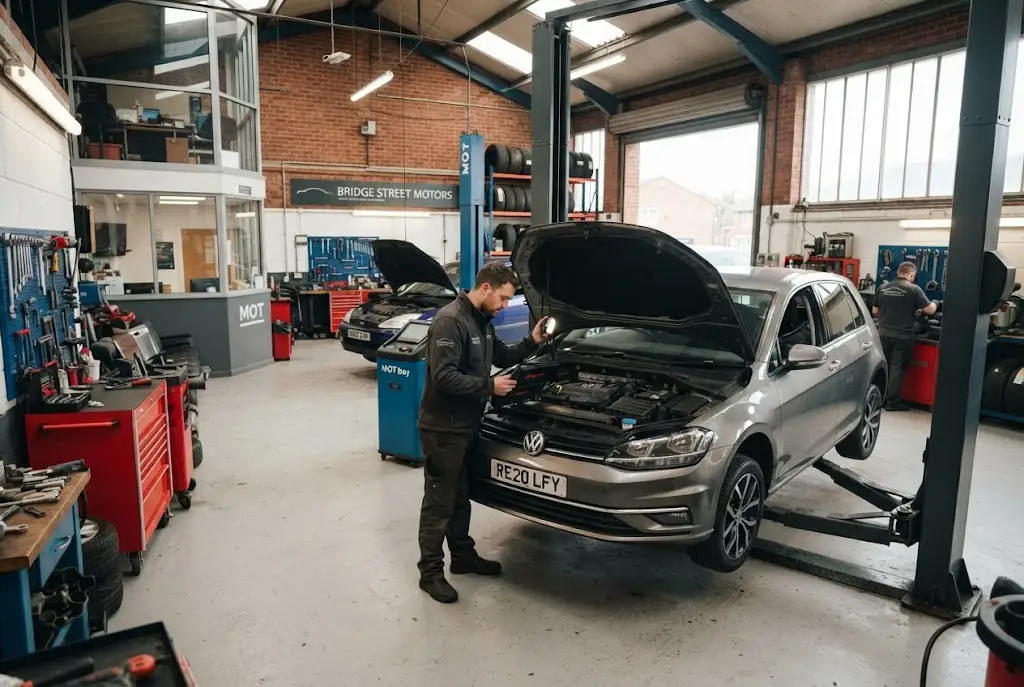
The main role of an auto service garage is to provide professional support for maintaining and repairing vehicles. Depending on the workshop, services may include routine servicing, brake inspections, tyre-related work, diagnostics, exhaust repairs, battery checks, suspension work, and other mechanical services.
However, the value of a local garage is not limited to the list of services available. Communication and continuity can also matter. When a workshop becomes familiar with a vehicle’s history, recurring issues can be easier to identify and future maintenance can be planned more effectively.
This can be particularly useful for drivers who intend to keep their vehicle for several years. Rather than treating every mechanical issue as a completely new problem, a consistent service relationship can provide useful context about previous repairs and maintenance.
The Role of Independent Garages in Vehicle Care
Independent garages are an important part of the automotive service landscape. They can offer drivers an alternative to manufacturer-operated facilities and larger service networks, depending on the vehicle and the type of work required.
One potential benefit is the opportunity to develop a direct relationship with the people working on the vehicle. Customers can often discuss symptoms, ask questions, and receive explanations about recommended work. This direct communication can make technical issues easier to understand.
That does not mean every independent workshop offers the same experience. Drivers should still consider qualifications, equipment, reputation, transparency, and the relevance of a garage’s experience to their particular vehicle.
Why Trusted Mechanics and Communication Matter
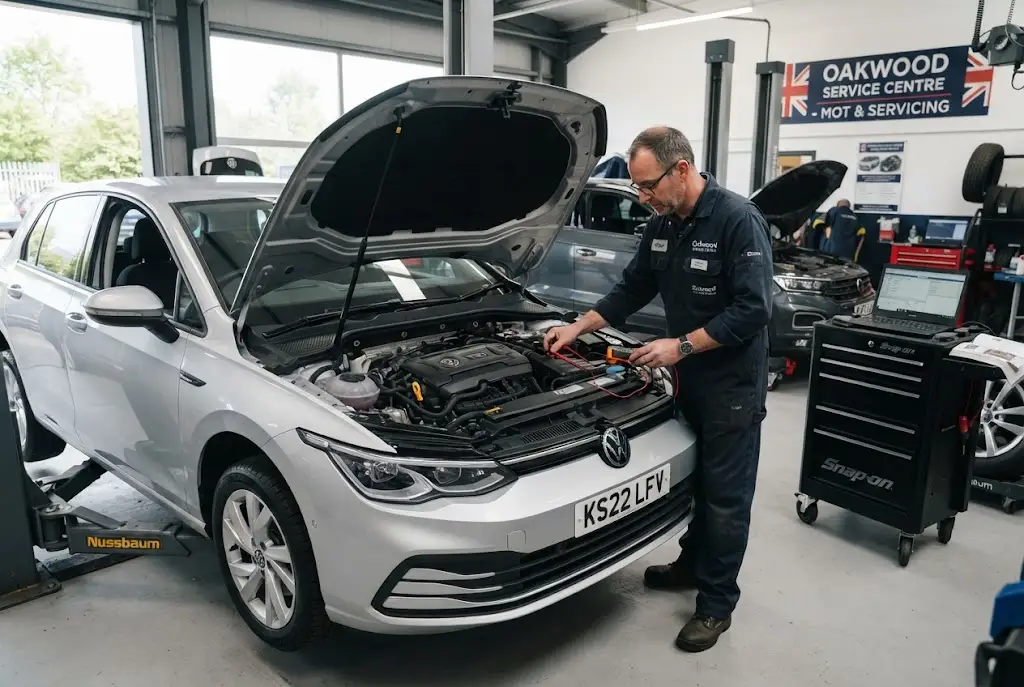
Mechanical problems are not always obvious to the driver. A warning light, unusual noise, vibration, or change in handling may have several possible causes. Professional diagnosis can help identify the underlying issue before unnecessary parts are replaced.
Trusted mechanics can also help customers understand the difference between immediate repairs and work that can be planned. Clear communication is especially useful when a vehicle needs several items of attention at the same time.
A useful conversation with a mechanic may cover:
- What has caused the current problem
- Which repairs are necessary immediately
- Which maintenance items can be scheduled later
- What symptoms should be monitored
- What parts or components are being replaced
- How the proposed work affects future vehicle care
This type of professional advice gives owners more information when making practical repair decisions.
Building Strong Customer Relationships
Vehicle maintenance is rarely a one-time activity. Cars require ongoing attention, and customer relationships can therefore become an important part of local automotive services.
A driver who regularly uses the same suitable workshop may gradually build a record of servicing and repairs. This can make it easier to discuss changes in vehicle behaviour and identify patterns over time.
For the garage, a long-term customer relationship can also encourage greater familiarity with the vehicle. For the customer, continuity can reduce the need to repeatedly explain previous repairs or maintenance concerns.
Strong relationships should still be based on transparent communication and professional service. Customers should feel comfortable asking why work is recommended and what the expected outcome will be.
Service Quality Goes Beyond Fixing a Fault
Service quality is not simply about whether a vehicle leaves the workshop running again. The wider experience can include accurate diagnosis, suitable repairs, clear communication, reasonable timeframes, and appropriate follow-up.
Quality also involves recognising when a problem requires specialist attention. Modern vehicles can contain complex electronic systems, advanced driver-assistance features, and manufacturer-specific technologies. A garage should have the appropriate knowledge and equipment for the work it accepts.
Drivers can therefore ask useful questions before booking significant work. Understanding what a workshop specialises in and what diagnostic equipment it uses can help establish whether it is appropriate for a particular job.
How Local Workshops Support the Community
Local workshops can provide an everyday service that connects directly with the needs of their surrounding community. Drivers rely on vehicles for commuting, family responsibilities, shopping, work, and many other activities. Keeping those vehicles functional can therefore have a practical impact on daily life.
A nearby garage may also offer greater convenience for routine servicing and inspections. Instead of waiting until a minor issue becomes disruptive, drivers may find it easier to arrange an appointment when the problem is first noticed.
This community role is especially relevant when vehicle care becomes part of a broader ownership routine. Drivers can combine professional servicing with their own regular checks and sensible maintenance habits. For more information on this wider approach, readers can explore vehicle maintenance and how consistent maintenance planning can support reliability.
Choosing a Garage for Ongoing Vehicle Care
Choosing a local garage should involve more than looking for the nearest available workshop. Drivers can consider whether the garage has experience with their vehicle type, provides clear explanations, and offers the services they are likely to need.
Useful considerations include:
- The workshop’s relevant experience
- The range of services provided
- Diagnostic and specialist equipment
- How clearly repair work is explained
- Whether estimates and recommendations are transparent
- Customer feedback and established reputation
- The workshop’s approach to routine maintenance
It is also sensible to distinguish between genuine customer feedback and promotional claims. A workshop should be assessed on the quality and relevance of its service rather than marketing language alone.
When a Local Garage Can Help With Repair Decisions
Not every vehicle problem requires the same response. A local garage can provide useful information when a driver needs to decide whether a repair should be completed immediately, scheduled for later, or investigated further.
This can be especially valuable with older vehicles. A car may have one significant fault while otherwise remaining in good condition. In another situation, several unrelated components may be approaching the end of their useful life. Understanding the wider condition of the vehicle can help owners consider repair value rather than focusing only on a single invoice.
Drivers looking at repair options can also explore auto repair services as part of a broader approach to responsible ownership.
Local Expertise and Long-Term Vehicle Care
A dependable vehicle care routine often combines professional servicing with responsible everyday ownership. Regular checks, sensible driving, appropriate maintenance, and prompt attention to unusual symptoms can all contribute to better vehicle wellbeing.
A suitable local workshop can become one part of that process. Rather than visiting a garage only during emergencies, owners can use professional support for scheduled servicing, inspections, diagnosis, and planned repairs.
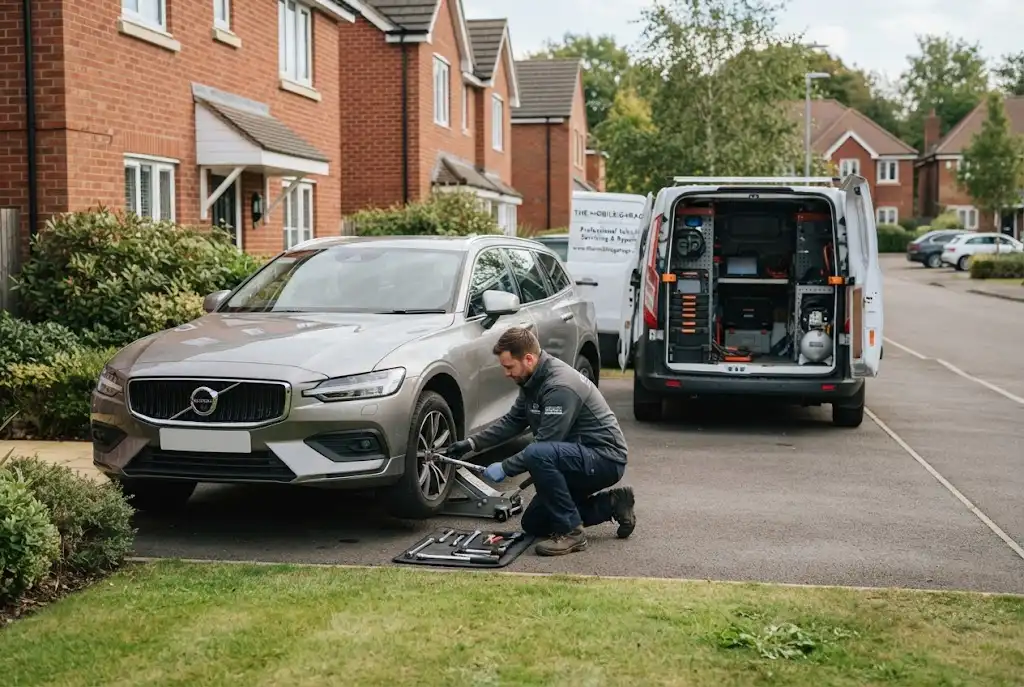
For drivers who have limited time or need servicing at a more convenient location, a mobile auto service may provide another option. Mobile servicing can be particularly relevant for owners whose work or personal schedules make traditional workshop appointments difficult.
Making Professional Vehicle Care More Practical
Local garages remain relevant because vehicle ownership is an ongoing responsibility. Drivers need practical ways to keep their cars reliable without turning every maintenance decision into a complicated process.
An experienced workshop can provide information, technical knowledge, and hands-on support when those resources are needed. At the same time, vehicle owners remain responsible for asking questions, understanding recommendations, and deciding how repairs fit into their own circumstances.
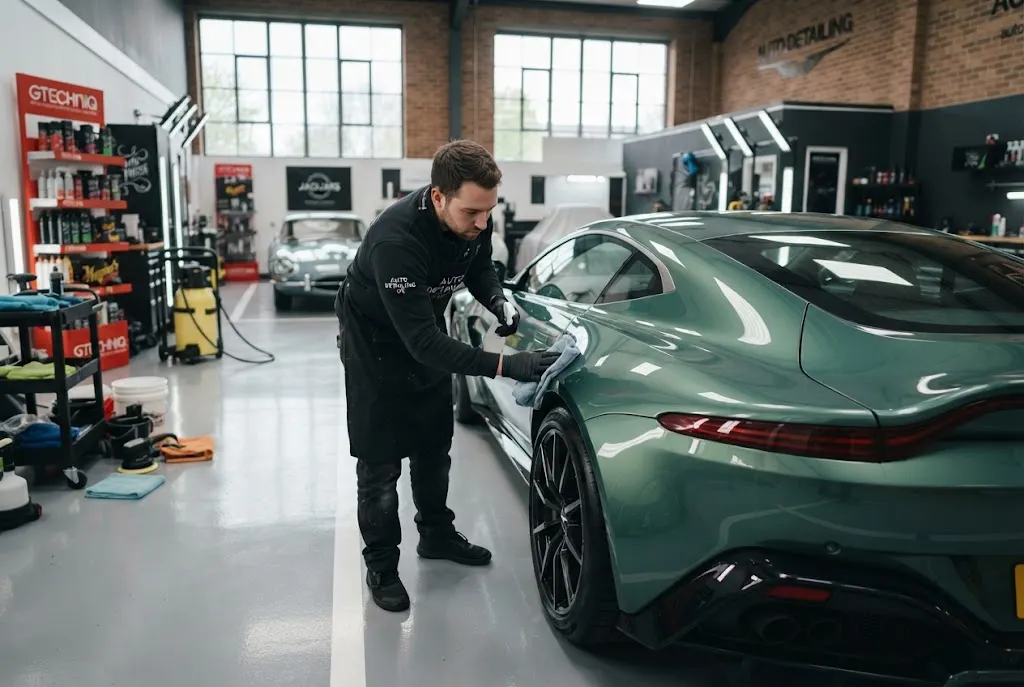
For broader day-to-day care, drivers can also consider auto care services alongside routine servicing. Cleaning, inspections, maintenance habits, and timely repairs can work together as part of a consistent ownership approach.
Ultimately, the value of an auto service garage is about more than fixing individual faults. A suitable local workshop can support professional vehicle care, clearer repair decisions, and an ongoing relationship built around the condition and needs of the vehicle. When drivers combine that professional support with sensible maintenance planning, they can take a more organised and informed approach to keeping their vehicles dependable over the long term.