Good vehicle ownership is not simply about keeping a car on the road. It is also about making sensible decisions when problems appear, understanding what a vehicle needs, and knowing when a repair is worthwhile. The right auto repair services can help drivers approach these decisions with greater confidence, whether the issue involves routine wear, an unexpected fault, or a vehicle that needs more extensive restoration.
Repair decisions can have a lasting effect on reliability, safety, running costs, and the overall ownership experience. Instead of treating every repair as an unwanted expense, it can be more useful to consider the condition of the vehicle, its age, future needs, and the value that a properly completed repair may provide.
Why Auto Repair Services Require a Thoughtful Approach
When a warning light appears or an unusual noise develops, the first reaction may be to focus on the immediate cost. However, a repair should be considered in a wider context. A relatively small problem can sometimes develop into a more expensive issue if it is ignored, while an appropriate repair may extend the useful life of a vehicle.
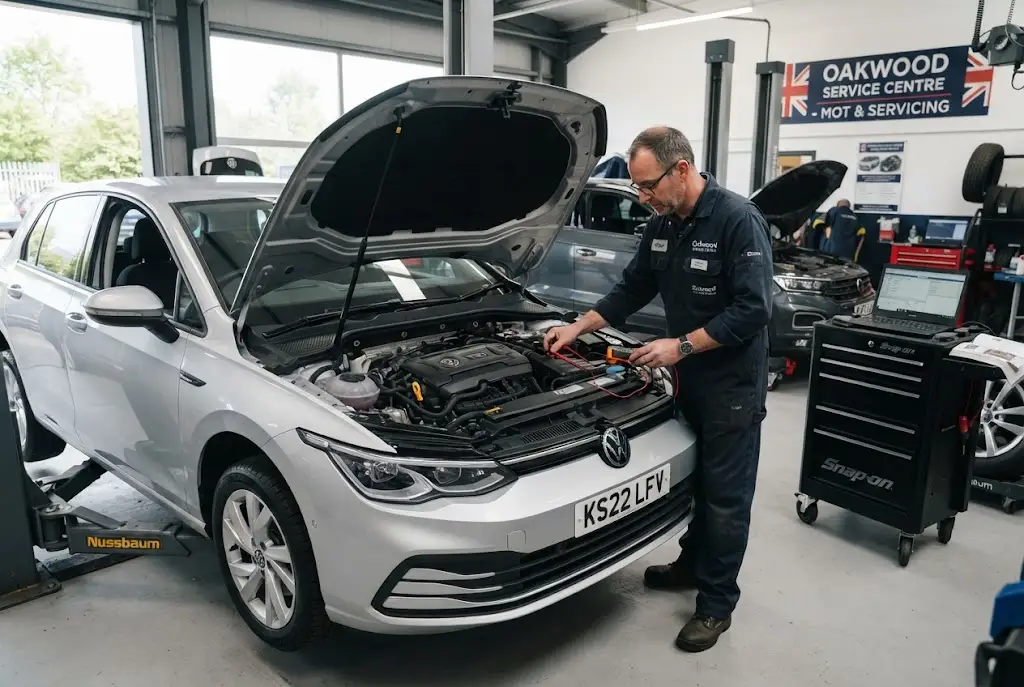
Professional assessment is therefore important. A mechanic can inspect the affected components, identify the likely cause of the problem, and explain the available options. This does not mean every recommended repair has to be treated in isolation. Instead, owners can consider how the repair fits into their wider maintenance planning and expected ownership period.
This approach encourages practical choices rather than rushed decisions. It also helps owners distinguish between work that is essential, work that should be planned soon, and improvements that can reasonably wait.
Understanding Repair Value Before Spending Money
Repair value is not determined by the invoice alone. A repair can provide value when it restores reliability, addresses an important fault, prevents further deterioration, or allows an otherwise suitable vehicle to remain useful for longer.
For example, replacing a worn component may seem like a significant expense, but the alternative could be continued deterioration and additional repair work. On the other hand, a major repair on a vehicle with several unrelated problems may require more careful consideration.
Owners should look at several factors:
- The current condition of the vehicle
- The age and mileage of the vehicle
- The importance of the affected component
- The likely cost of future maintenance
- The vehicle’s role in everyday life
- Whether the repair supports continued reliable use
There is no universal answer because every vehicle and ownership situation is different. The goal is to make an informed decision based on the vehicle’s actual condition rather than reacting only to the size of a repair bill.
When Vehicle Restoration Makes Sense
Some vehicles require more than a straightforward component replacement. Older cars, cherished vehicles, or models with particular personal or practical value may become candidates for vehicle restoration. Restoration can range from repairing bodywork and mechanical components to improving the condition of interior and exterior features.
A restoration project should begin with a realistic assessment. Cosmetic improvements may be attractive, but mechanical condition and structural integrity deserve careful attention first. A clear plan can help owners determine which work should happen immediately and which improvements can be completed gradually.
For owners who intend to keep a vehicle for several more years, restoration can become part of a broader long-term care strategy. However, restoration is usually more involved than routine servicing, so the expected cost, time, and purpose of the project should be considered before work begins.
How Maintenance Planning Supports Better Repairs
Repairing a vehicle is often easier when maintenance planning is already part of the ownership routine. Regular servicing, inspections, fluid checks, tyre checks, and attention to unusual changes can help owners identify developing issues earlier.
Maintenance should also be based on the vehicle manufacturer’s recommendations and the way the vehicle is actually used. A car that spends most of its time in urban traffic may experience different operating conditions from one used mainly for longer motorway journeys.
A useful maintenance plan can include:
- Keeping records of completed servicing and repairs
- Following the manufacturer’s service recommendations
- Monitoring warning lights and unusual sounds
- Checking tyres, lights, and visible fluid levels regularly
- Scheduling inspections before long journeys when appropriate
- Budgeting for predictable maintenance instead of waiting for failures
The UK government also advises drivers to make sure their vehicles remain roadworthy and provides guidance on checks such as tyres, lights, brakes, fluids, and other basic areas of vehicle condition. Owners can review the official vehicle safety guidance on GOV.UK as part of their own maintenance routine.
Responsible Ownership Goes Beyond Emergency Repairs
Responsible ownership means paying attention to a vehicle before a problem becomes an emergency. This mindset can make vehicle care more predictable and can help reduce the likelihood of being surprised by avoidable faults.
It also means recognising when professional help is appropriate. Drivers may be comfortable carrying out simple visual checks, but mechanical diagnosis and repairs can require specialist knowledge, tools, and safe working practices. Choosing suitable professional support is particularly important when a fault involves brakes, steering, suspension, electrical systems, or other safety-related components.
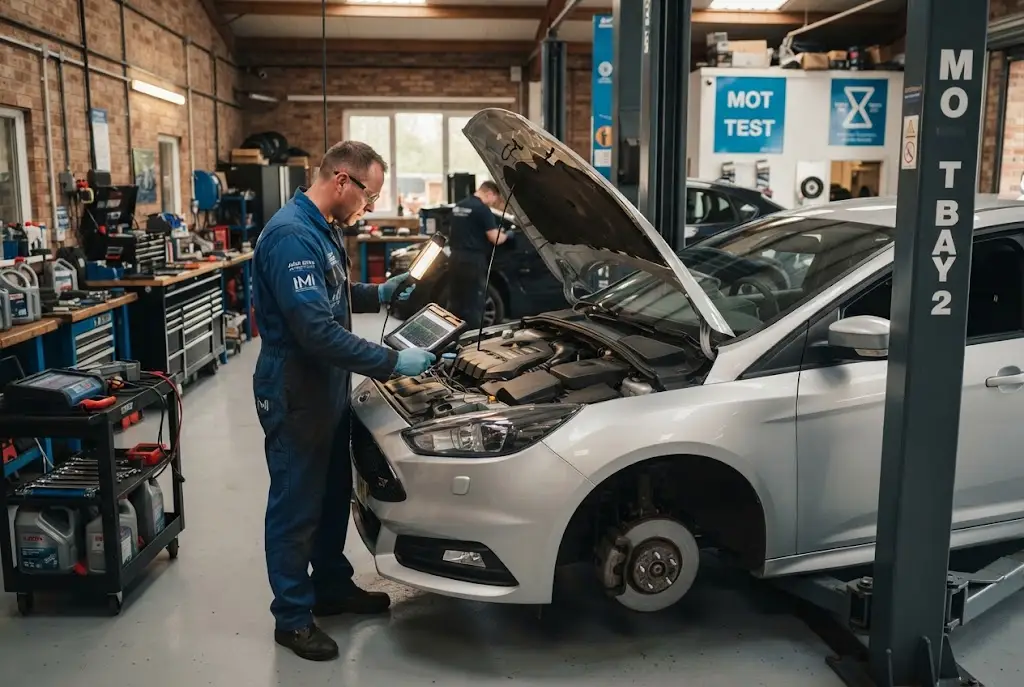
For drivers who prefer to work with a nearby provider, an auto service garage can become an important part of an ongoing vehicle care routine. Building a relationship with a reliable workshop can make it easier to keep track of repairs, servicing, and recurring concerns.
How Repair Decisions Can Support Long-Term Savings
Long-term savings do not necessarily mean choosing the cheapest repair. In some situations, paying for appropriate parts, accurate diagnosis, and professional workmanship can reduce the risk of repeated problems.
At the same time, owners should not assume that every expensive repair automatically provides better value. A balanced approach considers the condition of the vehicle and the likely benefits of the work. Asking for a clear explanation of the fault, the proposed repair, and any alternatives can help owners make practical decisions.
This is particularly useful when several repairs are recommended at once. Rather than treating the list as one large expense, owners can ask which items are safety-critical, which are necessary for reliability, and which can be planned for a later date.
Connecting Repairs With Everyday Vehicle Care
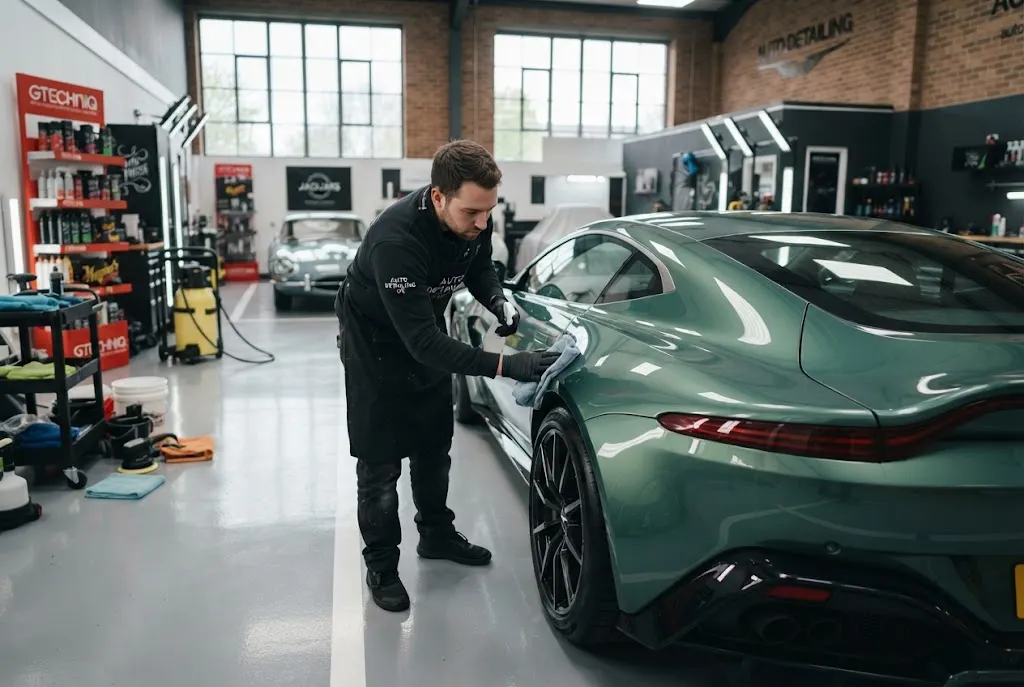
Repairs work best when they are part of a wider ownership mindset. Routine cleaning, sensible driving habits, regular inspections, and timely servicing all contribute to vehicle wellbeing. These habits do not eliminate every mechanical problem, but they can help owners stay more aware of changes in vehicle condition.
For a broader approach to day-to-day ownership, readers can explore auto care services and consider how cleaning routines and maintenance habits fit together. The aim is not to create unnecessary work but to develop consistent habits that make vehicle care easier to manage.
When Professional Advice Becomes Especially Valuable
Professional advice is particularly useful when the cause of a problem is unclear, when several warning signs appear together, or when a repair could affect vehicle safety. A proper diagnosis can prevent owners from replacing parts unnecessarily or overlooking the underlying cause.
It can also help when deciding whether an older vehicle should be repaired, restored, or eventually replaced. A mechanic cannot make the ownership decision for the customer, but a clear explanation of the vehicle’s condition can provide useful information for making that decision.
This is where the quality of communication matters. A good repair experience should leave the owner with a clearer understanding of what has been found, what needs attention, and what can reasonably be monitored.
Making Auto Repair Services Part of Long-Term Vehicle Wellbeing
Vehicle repairs do not have to be approached as isolated emergencies. When owners combine timely diagnosis, sensible maintenance planning, and realistic repair decisions, they can create a more sustainable approach to vehicle ownership.
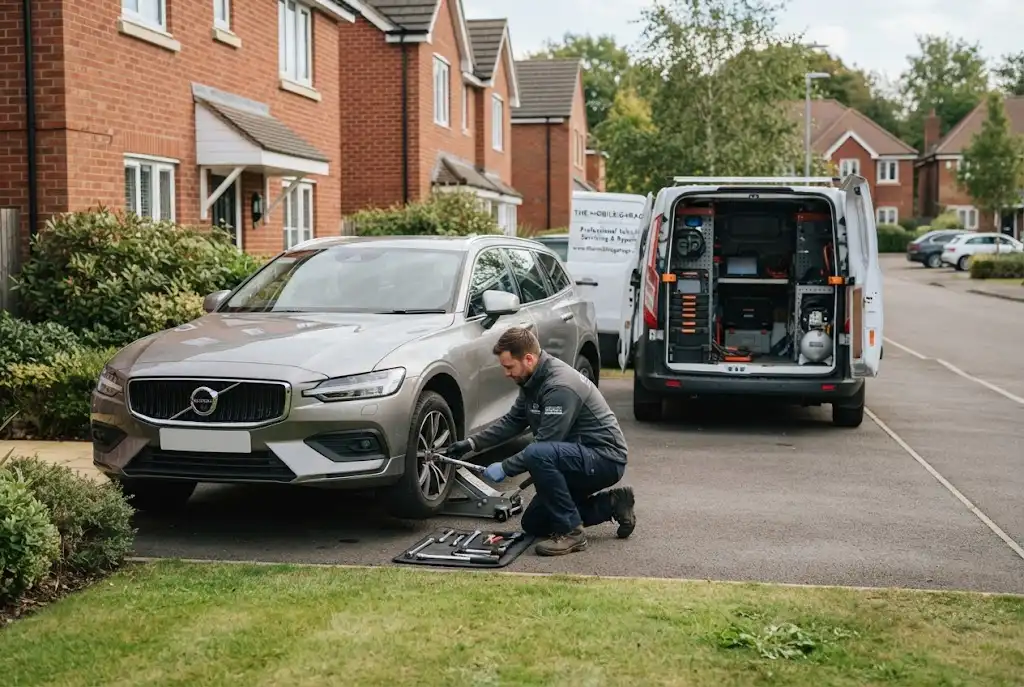
The wider maintenance picture also matters. Drivers who want to develop stronger routines can explore vehicle maintenance as a dedicated part of their ownership planning. Meanwhile, those who need greater flexibility may benefit from understanding how a mobile auto service can fit into modern vehicle care.
Ultimately, the purpose of professional repair is not simply to fix what has broken. It is to help a vehicle remain dependable, usable, and appropriate for the owner’s needs. By looking beyond the immediate repair bill and considering reliability, safety, future maintenance, and repair value, drivers can make more practical choices and support the long-term wellbeing of their vehicles.