Vehicle maintenance is one of the simplest ways to support reliable and responsible car ownership. Regular servicing, sensible checks, and timely attention to developing problems can help drivers understand their vehicles better and reduce the risk of avoidable disruption. Rather than waiting for a breakdown before thinking about vehicle care, a planned approach makes maintenance part of everyday ownership.
Every vehicle has different requirements, and maintenance needs can also change according to age, mileage, driving conditions, and how frequently the car is used. A practical maintenance routine therefore combines the manufacturer’s recommendations with sensible observations about the vehicle’s actual condition.
Why Vehicle Maintenance Should Be Planned
Vehicle maintenance is easier to manage when it is planned rather than treated as a series of unexpected expenses. Service schedules provide a useful starting point, while regular observations can help drivers notice changes between scheduled appointments.
A planned approach can include keeping track of servicing, checking tyres, paying attention to dashboard warnings, and arranging professional inspections when something does not feel or sound normal. These habits do not guarantee that a vehicle will never develop a fault, but they can make problems easier to identify and manage.
Maintenance planning can also make ownership costs more predictable. Drivers who know when routine servicing is due can prepare for expected work rather than relying entirely on emergency repairs.
Preventive Maintenance and Everyday Reliability
Preventive maintenance focuses on addressing routine needs before they become larger problems. Some tasks require professional equipment and technical knowledge, while others can involve simple visual checks by the owner.
Common areas that deserve regular attention include:
- Tyre condition and inflation
- Exterior and brake lights
- Engine oil and other relevant fluid levels
- Windscreen visibility and washer fluid
- Battery condition and starting performance
- Warning lights on the dashboard
- Unusual noises, vibrations, or changes in handling
The UK’s official vehicle safety guidance also highlights the importance of keeping basic safety-related areas such as tyres, lights, brakes, and fluids in suitable condition. Drivers can use GOV.UK vehicle safety guidance as a useful reference for routine checks.
Following Service Schedules Without Ignoring Real-World Conditions
Manufacturer service schedules provide an important framework for vehicle care. They typically specify intervals for servicing and replacement or inspection of particular components. However, the way a vehicle is used can also affect its maintenance needs.
Frequent short journeys, heavy traffic, long-distance driving, towing, and other operating conditions can place different demands on a vehicle. Drivers should therefore pay attention to both the recommended service schedule and any changes in the vehicle’s behaviour.
A service schedule should not be viewed as permission to ignore a problem until the next appointment. If a warning light appears or a vehicle develops an unusual noise, vibration, smell, or handling issue, professional assessment may be appropriate before the next scheduled service.
Building Better Maintenance Habits
Good maintenance habits do not need to be complicated. Consistency is often more useful than occasional intensive attention. A driver who regularly looks at tyre condition, checks visible fluid levels, and responds promptly to warning signs is more likely to notice changes before they become disruptive.
Keeping records can also make vehicle care easier. A simple record of servicing, repairs, replacement parts, and inspections can help owners understand what has already been done and identify upcoming maintenance needs.
These records can become especially useful when a vehicle changes ownership. They provide useful background about how the vehicle has been maintained and can help a new owner understand its service history.
Vehicle Maintenance and Reliability
Vehicle reliability is influenced by many factors, including component condition, driving habits, maintenance, and the age of the vehicle. No maintenance routine can eliminate mechanical failures completely, but neglecting routine care can make existing problems more difficult to manage.
For this reason, maintenance should be viewed as part of long-term vehicle care rather than an occasional inconvenience. When routine work is completed at appropriate intervals and developing concerns are investigated promptly, owners can make more informed decisions about the condition of their cars.
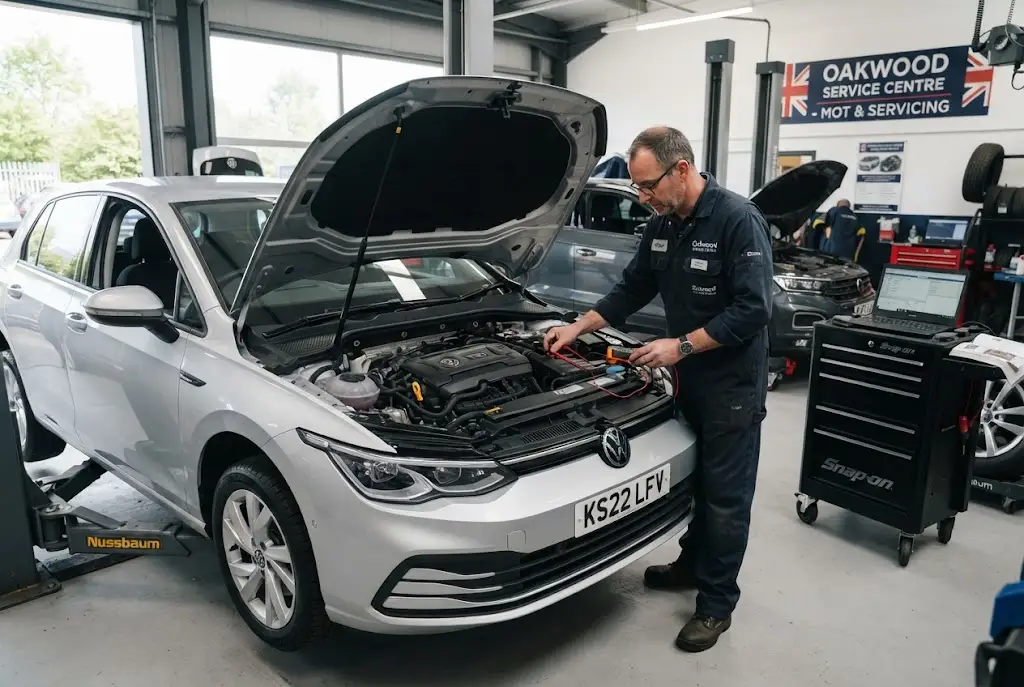
When a problem does arise, professional auto repair services can help diagnose the issue and determine what work may be required. Separating routine maintenance from unexpected repair work can also make it easier to understand where an ownership budget is being spent.
An Ownership Mindset That Looks Beyond Immediate Problems
A strong ownership mindset means considering the vehicle as a long-term responsibility rather than simply a means of transport. This includes understanding the manufacturer’s recommendations, recognising changes in vehicle behaviour, and making practical decisions about maintenance and repairs.
For example, replacing a worn component before it causes a larger problem may be preferable to waiting for a complete failure. Similarly, addressing a small concern early can sometimes make the eventual repair simpler, although the appropriate response depends on the actual fault.
Drivers should also recognise their own limits. Basic visual checks can be useful, but complex mechanical or electrical work should be handled by suitably equipped and qualified professionals.
Choosing Professional Support for Maintenance
A reliable local workshop can become an important part of a vehicle maintenance routine. Drivers may benefit from using a consistent provider that understands their vehicle’s history and can explain recommended work clearly.
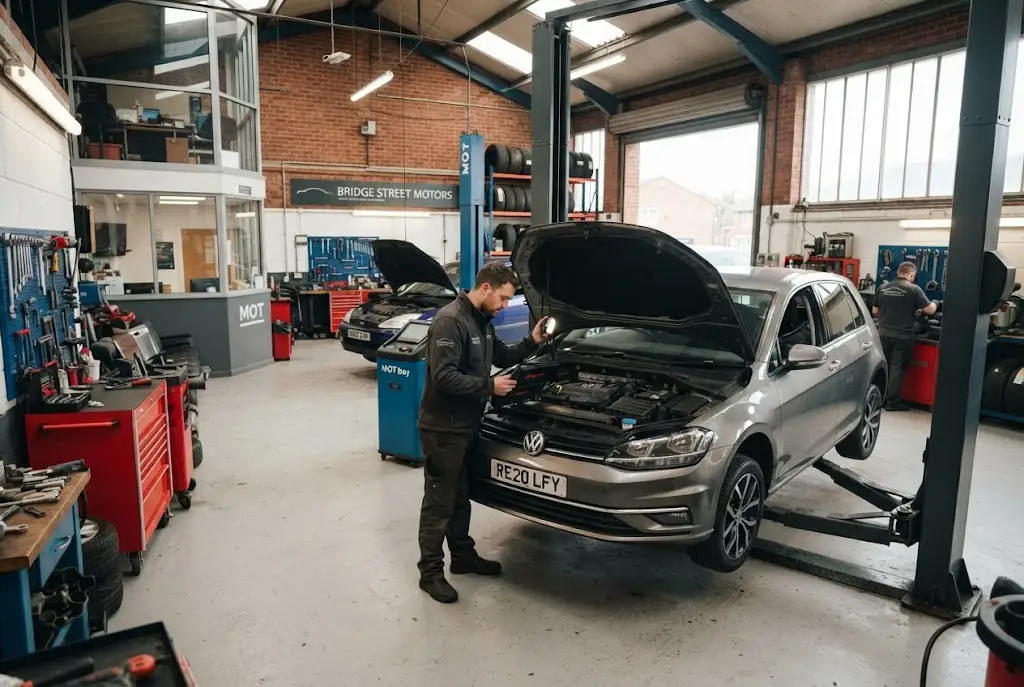
An auto service garage can provide routine servicing, inspections, diagnostics, and repairs depending on its facilities and expertise. Establishing a relationship with a suitable workshop can make it easier to plan future work and discuss concerns as they appear.
For more involved servicing, owners should ask what checks are included, whether the workshop has suitable diagnostic equipment, and whether any recommended additional work is urgent or can be planned for a later date.
Maintenance Planning for Long-Term Care
Long-term maintenance planning is particularly useful for owners who expect to keep their vehicles for several years. Instead of thinking only about the next service, drivers can consider upcoming routine requirements and likely wear items as part of their ownership budget.
This does not mean predicting every future repair. Rather, it involves recognising that maintenance is an ongoing cost of vehicle ownership and preparing accordingly.
It can also be helpful to consider the vehicle’s age and mileage when planning. Older vehicles may require more attention to certain components, while newer vehicles may involve more complex electronic systems and manufacturer-specific servicing requirements.
Responsible Driving Supports Vehicle Care
Maintenance is only one part of vehicle wellbeing. Driving habits can also influence wear and operating conditions. Sensible acceleration, braking, appropriate tyre pressures, and attention to warning signs can all contribute to responsible vehicle use.
Drivers should also avoid ignoring symptoms simply because the vehicle still appears to operate normally. A car may continue to run while a developing issue gradually becomes more serious.
For owners interested in a broader approach to everyday vehicle wellbeing, auto care services can complement mechanical maintenance by covering the wider habits and routines involved in looking after a vehicle.
Making Vehicle Maintenance More Convenient
Time can be one of the biggest obstacles to consistent maintenance. Work commitments, family responsibilities, and busy schedules can make traditional workshop appointments difficult to arrange.
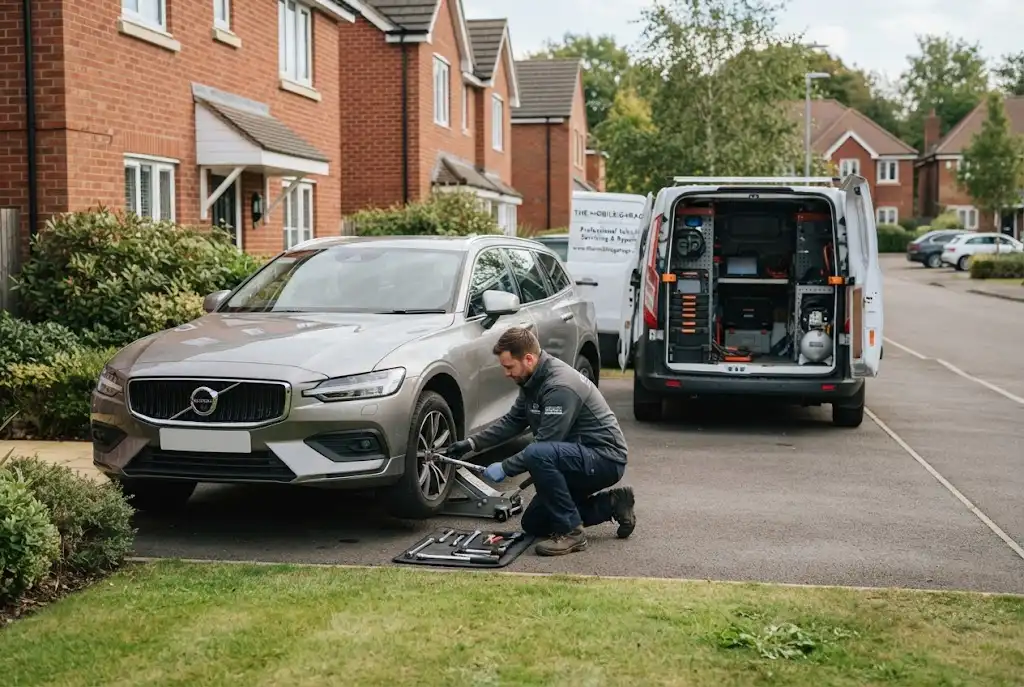
In situations where convenience is important, a mobile auto service may offer an alternative for suitable types of servicing and repair. Mobile mechanics can sometimes work at a customer’s home or another agreed location, reducing the need to spend additional time travelling to a workshop.
Regardless of where maintenance takes place, the underlying principle remains the same: the work should be appropriate for the vehicle and completed using suitable procedures and equipment.
A Practical Long-Term Approach to Vehicle Care
Good vehicle maintenance does not require drivers to become mechanics. It requires awareness, consistency, and a willingness to respond appropriately when something changes.
Following service schedules, developing simple inspection habits, keeping useful records, and seeking professional advice when necessary can create a more organised ownership routine. Preventive maintenance can also help owners understand the difference between predictable servicing and unexpected repairs.
Most importantly, maintenance planning should remain practical. The goal is not to perform unnecessary work but to keep the vehicle in an appropriate condition for its intended use. By combining responsible driving with regular servicing and timely professional attention, owners can support reliability and make vehicle care a more manageable part of everyday life.
A thoughtful approach to vehicle maintenance ultimately supports more than mechanical condition. It can give drivers greater awareness of their vehicle, help them prepare for routine ownership costs, and encourage better decisions about repairs and long-term care.