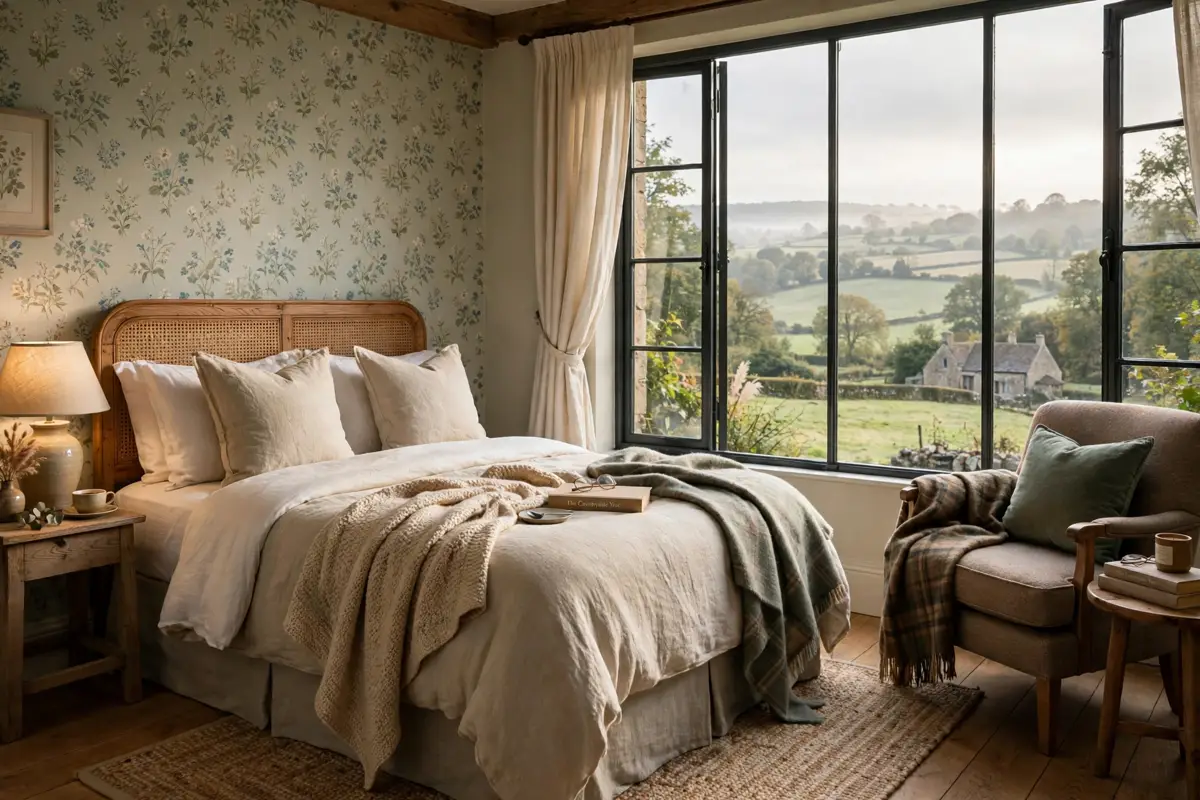
A hotel can make or break a break. The difference between coming home restored and coming home needing another holiday usually comes down to a handful of details that are easy to check before you book. Learning how to choose a hotel with rest — not just price — in mind changes the whole experience. This guide explains what genuinely matters when you choose a hotel for a relaxing UK break, from location and room details to food, facilities and the art of switching off.
Start With the Kind of Rest You Need
Rest means different things to different people. For some it is silence, countryside and long walks; for others it is a city hotel with a spa, room service and no decisions to make. Decide first what your break is for: sleep, recovery, celebration, or gentle exploring. That single decision filters your options faster than any star rating. It also shapes your pace once you arrive — our guide to slow travel shows how planning less into each day is what actually makes a trip restorative, and the right hotel supports that pace rather than fighting it.
Location: Quiet Beats Central
When you choose a hotel for relaxation, location works differently than on a sightseeing trip. A room on a busy road or above a late-night bar will undo the benefit of everything else. Look at the map before booking: distance from main roads, nightlife and railway lines matters more than distance from attractions. In the countryside, check the drive — a beautiful hotel at the end of an hour of single-track lanes may add stress rather than remove it. Read recent reviews specifically for the words quiet, noise and sleep; patterns in guest comments are the most honest guide you will find.
The Room Itself: Where Rest Actually Happens
You will spend most of your break in one room, so its details deserve scrutiny. Blackout curtains, a proper bed with quality linen, and windows that open are worth more than a larger television. Check whether rooms have baths as well as showers if a long soak is part of your idea of rest, and whether heating and cooling are individually controlled. Upper floors are usually quieter; rooms near lifts and housekeeping cupboards are not. If you are sensitive to light and noise, packing well helps too — travelling light with a considered set of clothes, as in our capsule wardrobe guide, leaves room in your bag for the small comforts that make an unfamiliar room feel like yours.
Facilities That Genuinely Help You Unwind
A spa on the website does not always mean a relaxing spa in reality. Check whether pool and treatment access is included or charged per visit, whether you must book treatments in advance, and what the quiet hours are. Gardens, lounges with fires, and reading rooms often deliver more calm than headline facilities. Breakfast is the other underrated feature: a slow, included breakfast removes the first decision of the day. Hotels that understand rest also tend to offer late checkout — even an extra hour changes the final morning from a scramble into a gentle end to the break.
Food, Drink and the Evening Wind-Down
After a day of doing very little, dinner becomes the main event, so look at menus before you book — especially if the hotel is remote and alternatives are a drive away. Many of the most restful UK hotels pride themselves on local sourcing and unhurried dining rooms. If you prefer total switch-off, room service or a residents’ lounge with an honesty bar can be worth more than a famous restaurant. Pair the evening with a proper wind-down ritual; the philosophy behind slow beauty — unhurried, sensory, screen-free — translates perfectly to a hotel evening with a bath, a book and no notifications.
Budgeting Without Spoiling the Break
Rest is easier when money is not a background worry, so set the full budget before you choose a hotel: room, food, treatments, parking and fuel. Midweek stays are often dramatically cheaper than weekends, and smaller independent hotels frequently include extras that chains charge for. Building the trip into your normal monthly budget — a small amount set aside each month — turns an occasional treat into a sustainable habit. Watch for the quiet extras that inflate bills: parking fees, spa access charges and breakfast not included in the room rate are the usual suspects.
Switching Off: The Final Ingredient
The best hotel cannot rest you if your phone keeps pulling you back to work. Choose a hotel that makes disconnection easy — poor signal can be a blessing — and set your own boundaries before you arrive: emails off, notifications muted, one short check-in window a day if you must. Our beginner’s guide to digital minimalism offers gentle ways to loosen the phone’s grip without going cold turkey. Leave the laptop at home, bring a paper book, and let the days take a slower shape.
A Quick Checklist When You Choose a Hotel
- Is the location quiet — away from main roads, bars and rail lines?
- Do recent reviews praise the sleep quality and the beds?
- Are blackout curtains, opening windows and a bath available?
- What do spa, pool, parking and breakfast actually cost?
- Is late checkout offered, and what is the cancellation policy?
- Does the hotel’s pace match the rest you are looking for?
Choose a hotel with these questions in mind and the break starts working from the moment you arrive: slower mornings, deeper sleep and evenings that genuinely wind down. That is the whole point of getting away — and it is achievable on almost any budget when rest, rather than habit or headline price, guides the booking.