Car servicing is an important part of responsible vehicle ownership. While an MOT checks whether a vehicle meets specific safety and environmental standards at the time of its test, servicing takes a broader approach to the condition and ongoing care of the car. Regular servicing can help identify developing issues, maintain important components and give drivers a clearer understanding of what their vehicle may need over time.
For many motorists, servicing becomes something to think about only when a dashboard warning appears or a garage recommends an inspection. A better approach is to treat it as part of a planned maintenance routine. By keeping track of service intervals and responding to potential problems early, drivers can make more informed decisions about long-term vehicle care.
What Is Car Servicing?
Car servicing is a scheduled inspection and maintenance process designed to assess the condition of a vehicle and carry out appropriate routine work. The exact checks and maintenance tasks can vary according to the vehicle, manufacturer recommendations, mileage, age and previous service history.
A service may include checks of key components and systems, along with routine maintenance such as replacing certain fluids or filters where required. Depending on the vehicle and service level, technicians may also inspect brakes, tyres, suspension, steering, lights and other areas that can affect reliability and safety.
Importantly, servicing is not exactly the same as an MOT. The two serve different purposes and should be considered separate parts of a responsible maintenance routine.
Why Car Servicing Matters for Vehicle Ownership
Regular servicing gives drivers an opportunity to understand how their vehicle is performing before a minor concern develops into a more disruptive problem. It can also help maintain a clear record of maintenance, which is useful when planning future work.
Cars experience gradual wear through everyday use. Frequent short journeys, motorway driving, heavy traffic, towing, seasonal conditions and higher annual mileage can all influence how quickly different components require attention. A planned servicing routine allows vehicle care to reflect those circumstances rather than relying entirely on unexpected repairs.
There is also a practical financial benefit to planning ahead. Maintenance costs are easier to anticipate when servicing is carried out according to an appropriate schedule. By contrast, ignoring routine attention can leave a driver facing an unexpected fault at an inconvenient time.
Different Types of Car Servicing
Not every service is identical. Many garages describe their servicing options using terms such as interim service, full service and major service. The precise contents can differ between providers and vehicles, so drivers should always check what is included before booking.
Interim Service
An interim service is generally aimed at vehicles that need more frequent attention between fuller service intervals. It can be particularly relevant to motorists who cover high annual mileage or whose manufacturer schedule calls for additional maintenance checks.
The purpose is to keep track of important maintenance items between larger servicing appointments. However, an interim service should not automatically be assumed to include every inspection or replacement associated with a full service.
Full Car Service
A full car service usually involves a broader range of checks and routine maintenance than an interim service. The exact checklist depends on the vehicle and garage, but the process is designed to provide a more comprehensive assessment of the car’s condition.
For many owners, the full service forms the central part of their annual maintenance habits. It can provide an opportunity to review components that may not receive the same level of attention during shorter inspections.
Major Service
A major service is typically the most comprehensive level of scheduled servicing offered by a garage. It may include additional checks and replacement of specific service items according to the vehicle manufacturer’s recommendations and mileage.
Because service terminology is not completely uniform between garages, it is sensible to ask for the proposed checklist rather than choosing a service based only on its name.
Car Servicing and Your Maintenance Schedule
Following an appropriate maintenance schedule is one of the simplest ways to create a more consistent approach to vehicle care. Manufacturers provide servicing recommendations based on factors such as mileage and time, although the appropriate schedule can vary between models and engines.
Drivers should consult their vehicle handbook or manufacturer’s guidance to understand when servicing is recommended. The service history should also be considered because previous work may affect what needs attention next.
Keeping records can make this process much easier. A simple record of dates, mileage, servicing work and significant repairs gives the owner a useful reference point. It can also help a technician understand the vehicle’s maintenance history when investigating a new issue.
What Happens During a Car Service?
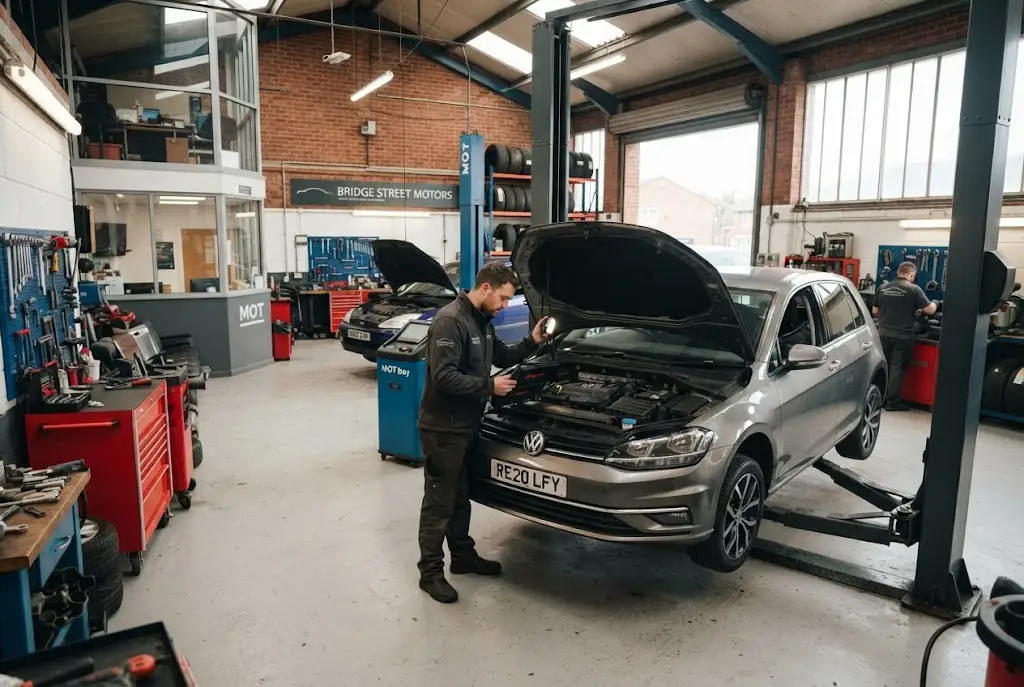
The work carried out during a service depends on the service level and the vehicle. A professional technician may inspect areas such as braking components, tyres, steering, suspension, lights and fluid levels. Routine replacement items may also be addressed where they are due.
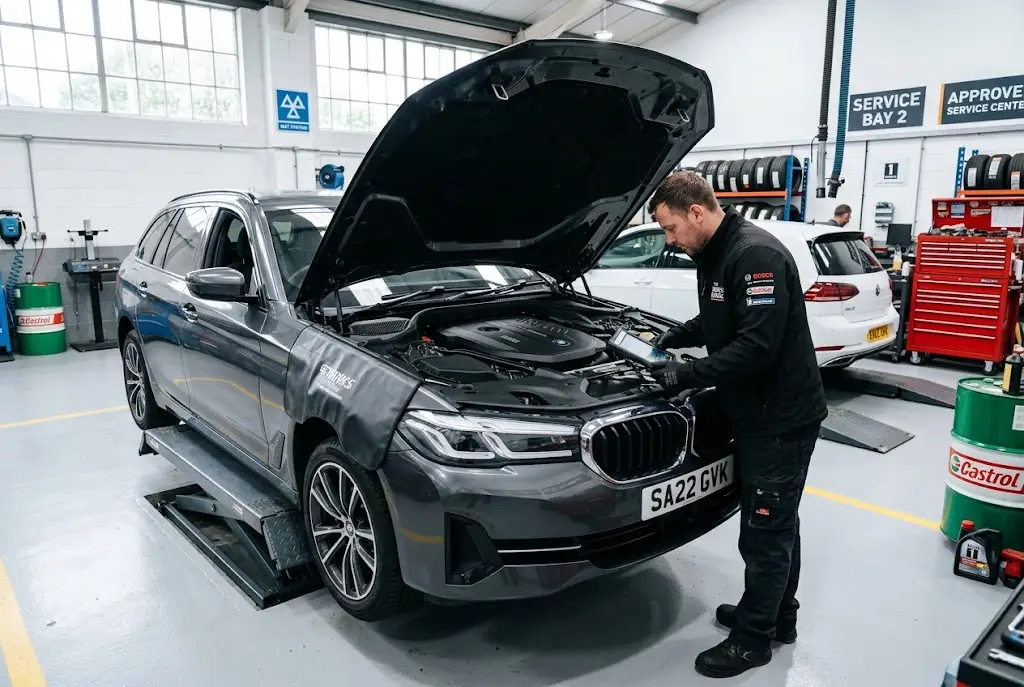
Modern vehicles can require diagnostic equipment as well as traditional mechanical inspection. Electronic systems play an increasingly important role in vehicle operation, so accurate diagnostics can help technicians investigate warning lights and other symptoms more effectively.
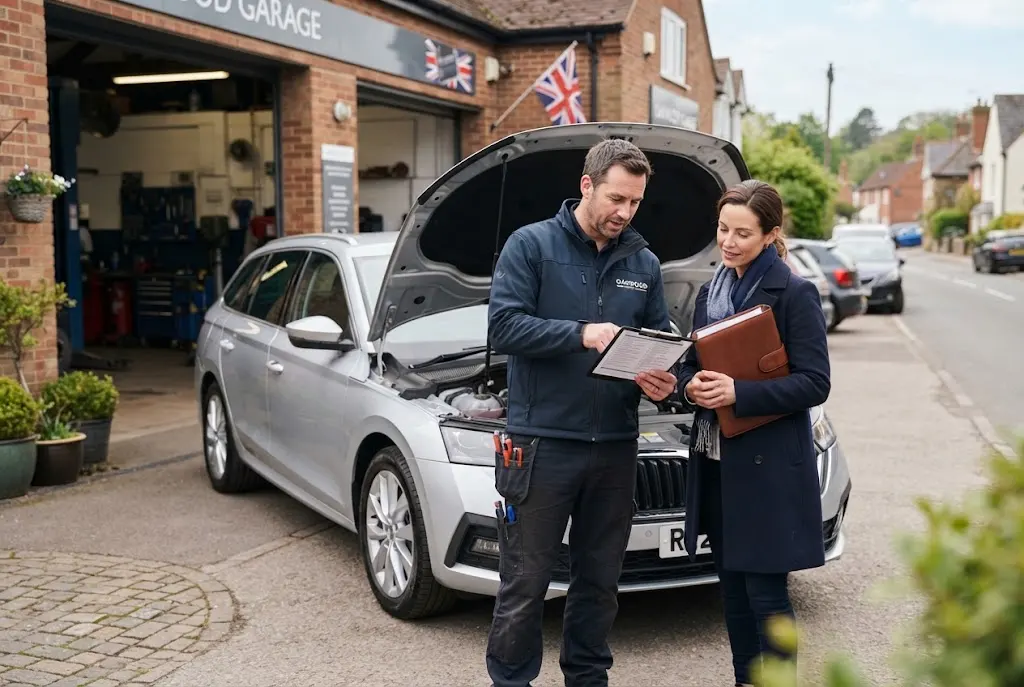
Drivers should ask the garage to explain any recommended additional work. Understanding the problem, its urgency and the likely consequences of delaying it can make repair decisions much clearer.
Car Servicing vs MOT: Why Both Matter
An MOT and a service should not be treated as interchangeable. The MOT is a legal requirement for vehicles that are subject to the test once they reach the applicable testing age, and it assesses whether the vehicle meets specific road safety and environmental standards at the time of testing.
Servicing, meanwhile, is part of ongoing vehicle maintenance. It is intended to help maintain the vehicle and identify issues that may need attention. A car can therefore have a valid MOT while still requiring servicing or other maintenance work.
Drivers looking at the wider picture of vehicle care should understand how MOT and service requirements complement one another. Keeping both in mind supports a more responsible approach to vehicle ownership.
How Servicing Can Support Long-Term Vehicle Care
Long-term vehicle care is not simply about keeping a car looking clean. Mechanical condition matters just as much, particularly when a vehicle is expected to remain dependable for several years.
Regular servicing creates opportunities to identify worn components and address maintenance requirements before they become more serious. It can also help owners make better decisions about the future of the vehicle.
For example, if a car is approaching a higher mileage, a documented service history can help an owner understand its maintenance pattern. If several significant repairs are beginning to appear at the same time, the information gathered through servicing can also contribute to a more informed repair-or-replace decision.
Developing Better Maintenance Habits
Good maintenance does not begin and end at the garage. Drivers can support their vehicles through simple habits between service appointments.
Checking tyre pressures, observing tyre condition, paying attention to warning lights and noticing changes in braking, steering, handling or engine behaviour can all help identify potential concerns. Drivers should not attempt repairs beyond their knowledge simply because a problem appears minor. When something seems unusual, professional advice can be appropriate.
It is also useful to avoid postponing routine servicing indefinitely. A service reminder is not something to ignore simply because the car still feels normal. Preventive attention is generally more useful when it happens before a problem becomes urgent.
Making Smarter Decisions About Servicing Costs
Price is naturally an important consideration when arranging a service, but the cheapest option is not always the most suitable. Drivers should compare what each service actually includes and whether the garage has the equipment and expertise appropriate for their vehicle.
Before approving additional work, ask for a clear explanation of the issue and whether it is urgent, recommended or something that can reasonably be monitored. This distinction can help motorists prioritise spending without ignoring important maintenance.
A sensible servicing decision considers the condition of the vehicle, its age, mileage, future use and maintenance history. Looking at those factors together is more useful than judging a service only by its upfront price.
Car Servicing as Part of Responsible Ownership
Responsible ownership means taking an active interest in the condition of a vehicle rather than waiting for breakdowns to dictate the next step. Car servicing provides a structured opportunity to do that.
It can help drivers maintain better records, identify maintenance needs and understand how their vehicle is changing over time. Combined with appropriate inspections, repairs and MOT checks, servicing contributes to a broader maintenance culture built around safer and more predictable motoring.
This approach also supports smarter decisions. Not every vehicle needs the same level of attention at the same time, so maintenance should be based on manufacturer guidance, vehicle condition and actual usage rather than assumptions.
Final Thoughts on Car Servicing
Car servicing is an important part of long-term vehicle care because it provides a planned opportunity to inspect, maintain and understand a vehicle. Whether a car needs an interim service, a full car service or a more comprehensive major service, knowing what is included helps owners make better choices.
The key is to avoid thinking of servicing as an unnecessary expense that only matters when something goes wrong. Instead, it can be viewed as part of a wider ownership strategy that combines maintenance planning, responsible driving and informed repair decisions.
By keeping an appropriate service schedule, maintaining useful records and dealing with potential issues thoughtfully, drivers can take a more proactive approach to vehicle ownership. That makes servicing not just another garage appointment, but a practical part of looking after a vehicle for the long term.