A vehicle is a significant practical and financial commitment. Whether it is used for commuting, family journeys, business travel or occasional trips, its condition affects both the owner and other road users. Developing a thoughtful ownership mindset can therefore make everyday driving more predictable while helping protect the vehicle’s long-term value.
What Does Responsible Vehicle Ownership Mean?
Responsible vehicle ownership means taking reasonable steps to keep a vehicle safe, maintained and suitable for its intended use. It includes following manufacturer maintenance recommendations, responding to faults, meeting legal requirements and paying attention to changes in vehicle behaviour.
It also involves understanding that ownership continues between formal appointments. An MOT is important, but it does not replace routine maintenance. Similarly, a service is only one part of keeping a vehicle in appropriate condition.
The most effective approach combines scheduled maintenance with everyday awareness. Owners do not need to become mechanics, but they should know when something appears different and understand when professional advice may be appropriate.
Responsible Vehicle Ownership Starts With Maintenance Habits
Good maintenance habits provide the foundation for responsible ownership. Following the manufacturer’s recommended service intervals helps ensure that routine maintenance is not forgotten.
Owners should also keep records of servicing, repairs and inspections. These records provide a useful history of the vehicle and can make future maintenance planning easier.
Basic checks also matter. Drivers can monitor tyre condition, lights, warning indicators, fluid levels where appropriate and other visible aspects of vehicle condition. These simple habits can help identify changes that deserve further attention.
ReflectNow’s guide to vehicle maintenance provides additional context on maintaining a vehicle as an ongoing ownership responsibility.
Why Smarter Maintenance Decisions Matter
Responsible ownership does not mean automatically approving every possible repair or spending as much as possible on a vehicle. It means understanding what the vehicle needs and making decisions based on relevant information.
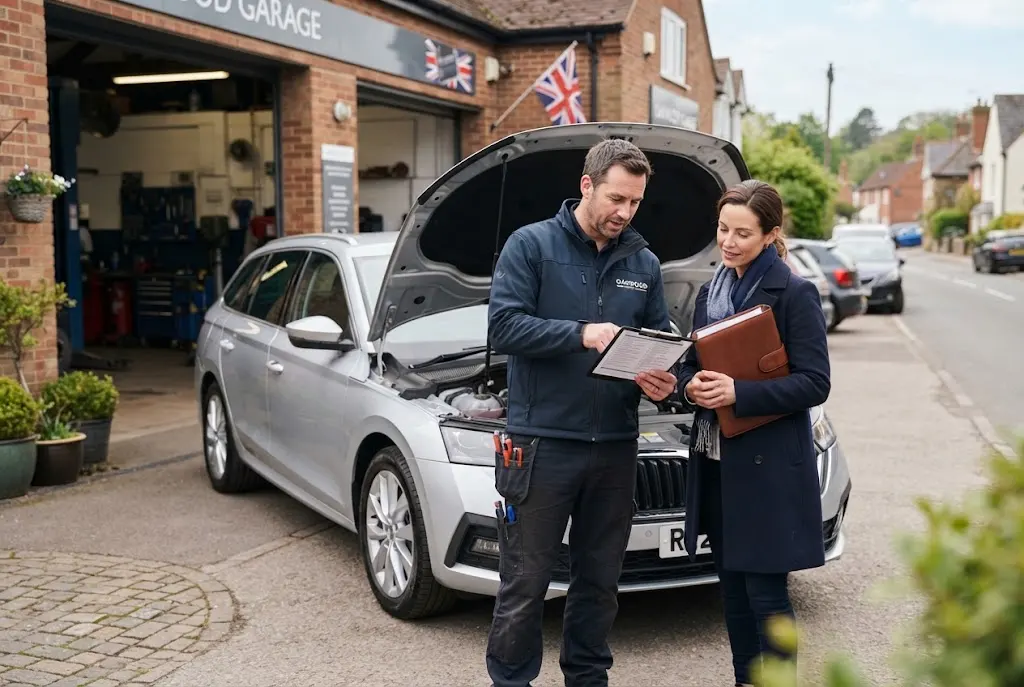
When a mechanic identifies a problem, owners can ask useful questions. What has been found? How serious is it? Does it affect safety? How soon should it be addressed? What could happen if it is left untreated?
These questions help create a clearer picture of the situation. They can also make repair planning more practical by distinguishing immediate safety concerns from maintenance that can reasonably be scheduled.
ReflectNow’s guide to auto repair services can support this broader approach to understanding and planning vehicle repairs.
Financial Wellbeing and Vehicle Ownership
A vehicle can create a range of ongoing costs beyond its purchase price. Insurance, fuel, servicing, tyres, repairs, inspections and other expenses all contribute to the overall cost of ownership.
Responsible vehicle ownership therefore includes financial awareness. Drivers can plan for predictable maintenance and keep some flexibility for unexpected repairs rather than treating every service bill as a complete surprise.
Understanding car service cost can also help owners think more broadly about maintenance budgeting. The cheapest immediate quote is not automatically the best long-term value, and a higher price does not automatically mean better service.
The useful question is what work is required, what the quoted price includes and whether the proposed maintenance is appropriate for the vehicle.
Vehicle Inspections Can Improve Awareness
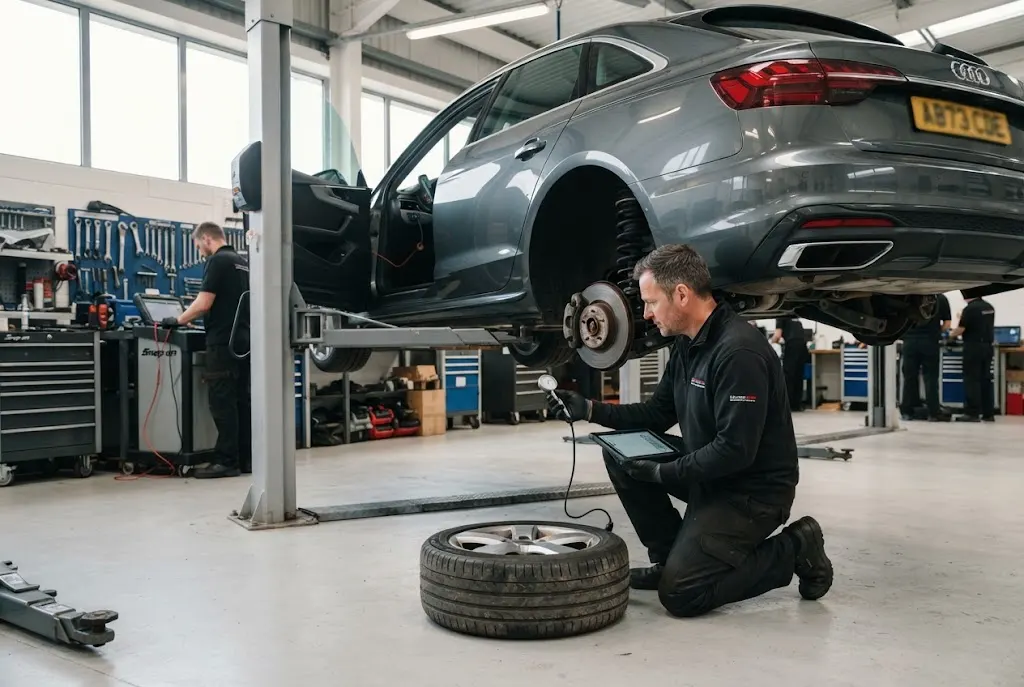
Sometimes a routine service or annual MOT does not answer every question an owner has about a vehicle. In these situations, professional auto inspection services can provide additional information about the condition of relevant components and systems.
An inspection may be useful when a vehicle develops an unusual noise, vibration, warning light or other change in behaviour. It can also be useful when assessing a used vehicle before purchase or when planning future maintenance.
An inspection is not a guarantee of future reliability. Its value is in giving the owner better information on which to base a decision.
MOT Compliance Is Part of Responsible Ownership
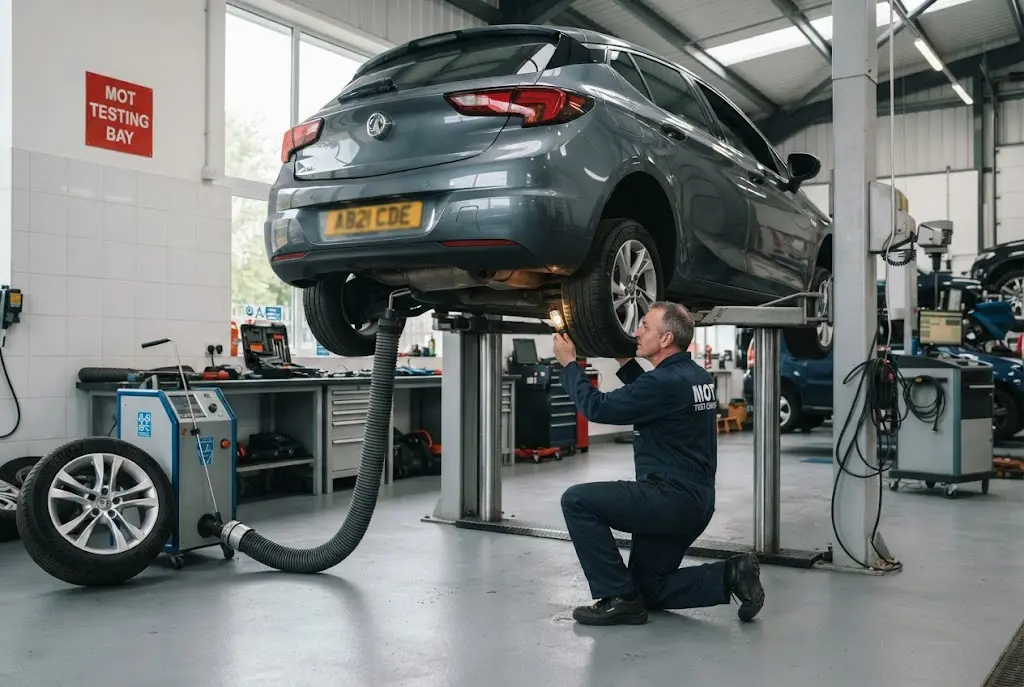
For vehicles that require an MOT, keeping the test up to date is an important legal responsibility. However, responsible ownership extends beyond having a valid certificate.
The MOT assesses specific safety and environmental requirements at the time of the test. Vehicle condition can change afterwards, which means drivers remain responsible for keeping their cars roadworthy.
This is why owners should understand the relationship between an MOT and service. The two activities have different purposes and should not be treated as interchangeable.
A responsible owner continues to monitor the vehicle after an MOT and arranges appropriate maintenance when required.
Safety Should Remain a Priority
Vehicle maintenance is closely connected to road safety. Tyres, brakes, lights, steering and suspension can all influence how safely a car operates.
Drivers should take noticeable changes seriously. A sudden change in braking performance, significant vibration, unusual steering behaviour, warning lights or a visible fluid leak can justify professional assessment.
Ignoring a developing problem may create additional risks and potentially lead to more expensive repairs. Acting appropriately when an issue becomes apparent is therefore an important part of responsible ownership.
Responsible Ownership Includes Everyday Driving Habits
Maintenance is only one part of the ownership picture. How a vehicle is driven also matters.
Drivers can develop safer and more considerate habits by remaining attentive to road conditions, avoiding unnecessary harsh acceleration or braking and paying attention to how the vehicle responds.
A more deliberate driving approach can also help owners recognise unusual behaviour sooner. ReflectNow’s guide to mindful driving explores the connection between greater awareness and everyday motoring.
Good driving habits do not eliminate wear or prevent every mechanical problem, but they can form part of a broader ownership mindset centred on awareness and responsibility.
Long-Term Planning Helps Protect Vehicle Value
A vehicle’s value is influenced by many factors, including age, mileage, condition, maintenance history, market demand and overall specification. Owners cannot control every factor, but appropriate maintenance can help preserve the vehicle’s condition.
Keeping service records, addressing relevant repairs and looking after the vehicle’s mechanical and cosmetic condition can all contribute to a stronger maintenance history.
However, responsible ownership does not mean spending without limits simply to protect resale value. Maintenance decisions should still reflect the vehicle’s actual condition, expected future use and overall financial circumstances.
Vehicle Investment Requires a Realistic Mindset
It is useful to think of a vehicle as a long-term financial commitment rather than only a purchase. Running costs continue after the initial transaction, and older vehicles may require different maintenance decisions from newer ones.
Owners should consider the complete picture when deciding whether to repair, maintain or eventually replace a vehicle.
A well-maintained car can still develop expensive faults. Conversely, a relatively inexpensive maintenance task may be worthwhile if it helps keep a useful vehicle operating reliably for longer.
The right decision depends on the individual vehicle and circumstances rather than a universal rule.
Modern Vehicles Need Modern Maintenance Awareness
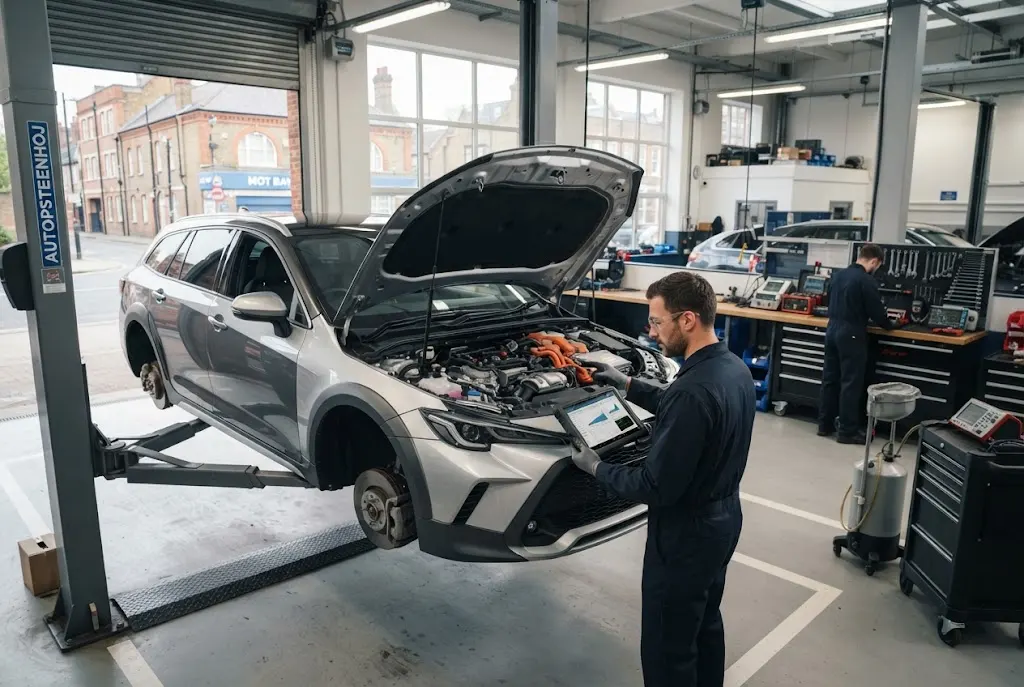
Vehicle technology is changing. Hybrid and electric vehicles contain systems that differ from traditional petrol and diesel powertrains, which can affect maintenance requirements and technician expertise.
Owners of hybrid vehicles can explore ReflectNow’s guide to hybrid servicing to understand why specialist knowledge can be relevant.
Similarly, drivers considering fully electric vehicles should understand the different maintenance considerations associated with EV servicing.
Responsible ownership therefore includes being aware of the technology in the vehicle and using appropriately qualified professionals when specialist work is required.
Sustainable Mobility and Vehicle Longevity
Sustainable mobility is often discussed in terms of powertrain technology, emissions and transport choices. However, responsible ownership also involves making sensible use of the vehicle already owned.
Appropriate maintenance can help keep a vehicle usable and may reduce the need for premature replacement. This does not mean every older vehicle should be kept indefinitely. Instead, it means considering the vehicle’s condition, maintenance needs and practical usefulness before making major ownership decisions.
For hybrid and electric vehicles in particular, understanding battery systems and specialist maintenance can become part of the long-term ownership process.
Plan for Maintenance Before It Becomes Urgent
One of the simplest ways to improve vehicle ownership is to plan ahead. Keep track of service intervals, MOT dates, tyre condition and previous repair work.
If a technician identifies a component that is approaching the end of its useful condition, ask whether it requires immediate attention or can reasonably be planned for later. Safety-critical work should be dealt with appropriately, while non-urgent maintenance may sometimes be scheduled around other commitments.
This approach can make expenses easier to anticipate and reduce the likelihood of being caught completely unprepared by routine maintenance.
Choose the Right Service Provider
The quality and suitability of professional support can influence the ownership experience. Drivers should consider whether a garage has the appropriate equipment, expertise and experience for the vehicle and the work required.
For specialist vehicles, including hybrids and electric cars, relevant technical training may be particularly important. For conventional maintenance, the key consideration remains whether the provider can safely and competently complete the required work.
A suitable auto service garage can also help owners establish continuity by maintaining useful records and becoming familiar with the vehicle’s maintenance history.
Keep Useful Vehicle Records
Good documentation is an underrated part of responsible vehicle ownership. Keep service invoices, MOT information, inspection reports and major repair records together.
These documents can help owners understand what has already been completed and what may be due next. They can also provide useful information to technicians when diagnosing a recurring or unfamiliar problem.
If the vehicle is eventually sold, a clear maintenance history can also give a prospective buyer useful information about how the car has been looked after.
Responsible Vehicle Ownership and Used Cars
The ownership mindset begins before purchasing a vehicle. Buyers should consider the expected running costs, maintenance requirements, reliability considerations and suitability of a vehicle for their needs.
A professional inspection can be particularly useful when buying a used vehicle because it may reveal condition issues that are not obvious from photographs, advertisements or a short test drive.
Buyers should also review available documentation and vehicle history and consider the inspection findings alongside all other available information.
Making a purchase decision with realistic ownership costs in mind can help prevent the purchase price from becoming the only financial consideration.
Build a Practical Ownership Routine
A responsible ownership routine does not have to be complicated. It can include a few consistent habits:
- Keep the vehicle’s MOT and service dates organised.
- Follow the manufacturer’s recommended maintenance schedule.
- Check tyres, lights and other visible safety items regularly.
- Respond to warning lights and unusual vehicle behaviour.
- Keep records of servicing, inspections and repairs.
- Budget for routine maintenance and unexpected repairs.
- Use appropriate professional support when problems arise.
- Consider specialist expertise for hybrid and electric vehicles.
- Review the vehicle’s condition before making major repair or replacement decisions.
These habits help turn vehicle care into a normal part of everyday ownership rather than something that only happens when a problem becomes impossible to ignore.
Responsible Vehicle Ownership Supports Better Decisions
Responsible vehicle ownership is ultimately about making informed, practical decisions throughout the vehicle’s life. It combines maintenance habits, financial awareness, safety consciousness and an understanding of how the vehicle is changing over time.
There is no need to treat every maintenance recommendation as an emergency or every vehicle expense as a failure. Instead, owners can look at the available information, understand the urgency of a problem and consider how a decision fits into the vehicle’s wider ownership picture.
This approach supports smarter spending without compromising safety. It also encourages drivers to think beyond the next service appointment and consider the long-term condition and usefulness of the vehicle.
A Better Ownership Mindset
A car is most useful when its owner understands its responsibilities as well as its benefits. Regular maintenance, appropriate inspections, legal compliance, sensible driving and financial planning all contribute to a more complete ownership approach.
Responsible vehicle ownership does not require perfection. Unexpected breakdowns happen, repair bills can be difficult to predict and vehicles eventually reach the point where replacement makes more sense than continued investment.
What matters is developing good habits that make those situations easier to manage. Staying informed, planning where possible and seeking professional advice when needed can improve confidence throughout the ownership journey.
Looking After the Vehicle for the Long Term
The strongest ownership habits are often simple ones: maintain the vehicle properly, pay attention to changes, keep good records and make decisions based on its actual condition.
For UK drivers, these habits can support safer journeys while also helping manage the financial and practical responsibilities that come with owning a car.
Whether the vehicle is a conventional petrol model, a diesel, a hybrid or an electric car, the principle remains similar. Responsible ownership means understanding what the vehicle needs, acting appropriately when it needs attention and considering its long-term role in your daily life.
By combining maintenance awareness, smarter decisions, financial planning and sustainable thinking, drivers can build an ownership mindset that benefits both the vehicle and the people who rely on it.