

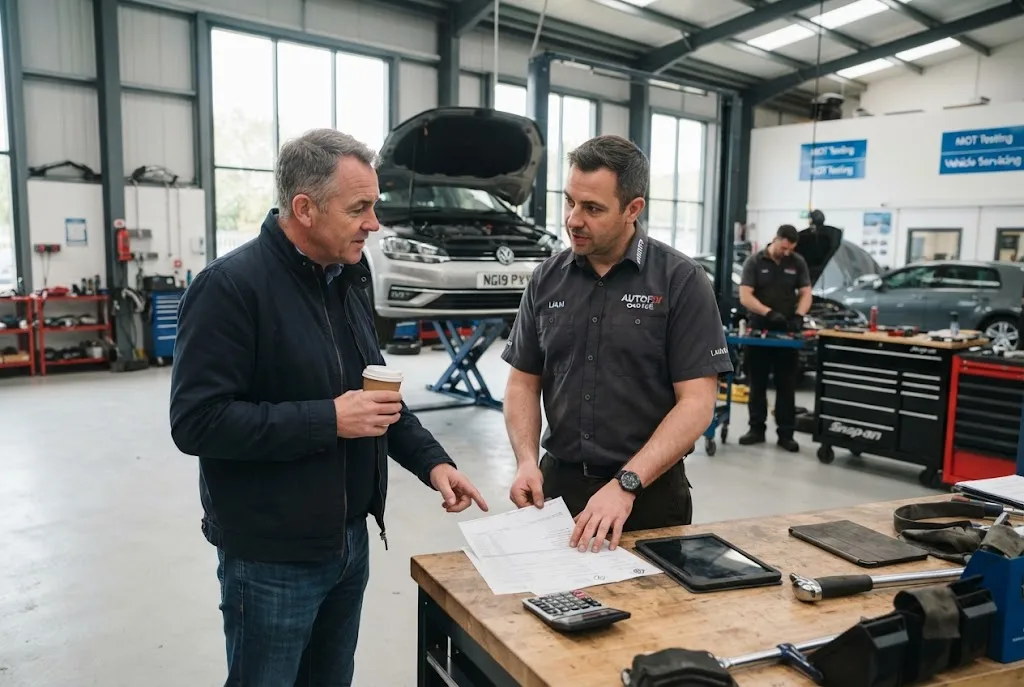
Repair finance can become an important consideration when an unexpected vehicle problem arrives at the wrong time. A worn component, failed part or major repair can create a substantial bill, particularly when the vehicle is essential for commuting, family commitments or work. Understanding potential payment options before an emergency occurs can help drivers approach unexpected servicing costs with greater financial awareness.
However, financing a repair should not automatically be viewed as the best solution. The sensible approach is to understand the cost of the work, consider whether the repair is necessary, review available payment arrangements and assess how any new commitment fits into the wider household budget. Good planning can make an unexpected expense easier to manage without turning a temporary vehicle problem into a longer-term financial burden.
What Is Repair Finance?
Repair finance generally refers to ways of spreading the cost of vehicle repairs rather than paying the entire amount immediately. Depending on the provider and circumstances, this could involve a payment plan, credit arrangement or another form of borrowing.
The exact terms can vary considerably. Interest, fees, repayment periods, eligibility requirements and other conditions may all affect the overall amount paid. Therefore, drivers should look beyond the initial monthly payment and consider the total cost of the arrangement.
Repair finance is particularly relevant when an essential repair cannot reasonably be postponed and the available cash reserve is insufficient. Even then, comparing alternatives before committing is important.
Why Unexpected Servicing Costs Can Be Difficult to Manage
Car ownership involves more than the original purchase price or monthly vehicle payment. Fuel, insurance, servicing, tyres, MOT-related expenses, repairs and other running costs can all contribute to the overall ownership budget.
Some costs are relatively predictable. A routine service can often be planned months in advance, while replacement tyres may become foreseeable after monitoring their condition. A sudden mechanical failure is different because the timing and cost may be difficult to predict.
That distinction makes financial planning especially valuable. Drivers who understand their regular vehicle expenses may be better positioned to identify how much capacity they have for an unexpected repair.
Repair Finance and Better Maintenance Planning
One of the most effective ways to reduce financial surprises is to maintain the vehicle consistently. Preventive maintenance cannot guarantee that a major component will never fail, but it can help identify developing issues before they become more serious.
Routine checks can also make future spending easier to anticipate. For example, if tyres are approaching the end of their useful life, a driver may have time to budget for replacement rather than waiting until a damaged or worn tyre creates an urgent expense.
Our guide to tyre services and preventive vehicle care explains why regular inspections, correct tyre pressures and timely replacement can support both road safety and more predictable vehicle ownership.
Keep track of maintenance needs
Maintaining a simple record of servicing, repairs and replaced components can provide a clearer picture of what the vehicle may require next. Maintenance records can also be useful when deciding whether continued ownership makes financial sense.
Separate routine costs from emergencies
Not every vehicle expense is an emergency. MOT preparation, servicing, tyres and other predictable costs can be incorporated into an annual budget. Unexpected failures are harder to plan, so a separate emergency reserve can provide an additional layer of protection.
Should You Use Repair Payment Plans?
Repair payment plans can be useful in some situations, but they require careful evaluation. The key question is not simply whether a monthly payment looks affordable. Drivers should understand how much the repair will cost in total and what the payment arrangement adds to that figure.
Before accepting a plan, check the interest rate, fees, repayment duration and any other conditions. A longer repayment period can reduce the immediate monthly pressure while potentially increasing the total amount paid.
It is also worth asking whether the repair provider offers more than one payment option. Comparing alternatives can help prevent a rushed decision when the vehicle is already off the road.
Compare the Repair Cost Before Financing It
Before considering finance, establish what actually needs to be repaired. If possible, obtain a clear written estimate describing the work and parts involved. This makes it easier to compare prices and understand whether the proposed repair is essential immediately.
A second professional opinion may also be worthwhile when the repair is expensive or the diagnosis is unclear. That does not mean delaying a safety-critical repair. Instead, it can help ensure that the proposed work addresses the actual problem.
Drivers should also distinguish between necessary repairs and optional work. A vehicle may be offered additional maintenance or replacement items that are not equally urgent. Understanding the difference can make the final spending decision more informed.
Think About the Vehicle’s Remaining Value
A large repair bill can raise a wider ownership question: does repairing the vehicle still make financial sense?
For a relatively new or well-maintained vehicle, a substantial repair may be reasonable because the car could continue providing useful service for years. For an older vehicle with a history of repeated failures, the same repair may require more careful consideration.
There is no universal calculation that determines whether a repair is worthwhile. Drivers need to consider the vehicle’s condition, likely future maintenance requirements, reliability, replacement cost and personal circumstances.
This is also relevant when evaluating used cars and second-hand vehicle ownership. A lower purchase price does not necessarily mean lower long-term expenses. Maintenance history and current condition can significantly influence the total cost of ownership.
Repair Finance Versus Replacing the Vehicle
When a repair becomes expensive, some drivers may consider replacing the car instead. This can appear attractive, but a replacement introduces its own costs.
A newer vehicle may reduce some maintenance concerns, but purchasing another car can involve a deposit, finance repayments, insurance changes, registration-related expenses, servicing and depreciation. If the existing vehicle is otherwise reliable, repairing it may sometimes be less expensive than taking on a new ownership commitment.
On the other hand, repeatedly financing major repairs on an unreliable vehicle can also become difficult to justify. The decision should therefore be based on the broader ownership picture rather than the immediate repair bill alone.
Build an Emergency Vehicle Fund
One practical way to reduce reliance on borrowing is to create a dedicated vehicle maintenance reserve. Even modest regular contributions can build a useful buffer over time.
The amount needed will vary according to the vehicle, mileage, age and expected usage. A driver who relies heavily on a car for work may reasonably want a larger reserve than someone who drives only occasionally.
The purpose is not necessarily to cover every possible mechanical failure. Instead, the fund can reduce the financial shock of routine maintenance and smaller unexpected repairs, leaving fewer situations where immediate borrowing becomes the only practical option.
Understand the Wider Ownership Expenses
Repair costs should always be viewed alongside other vehicle expenses. A monthly car payment might appear manageable in isolation, but the complete ownership budget can look very different after fuel, insurance, maintenance, parking and repairs are included.
This is particularly important for drivers considering vehicle finance. Our related guide to car finance and ownership budgeting explores how monthly repayments fit into the broader cost of running a vehicle.
Looking at the complete picture can help drivers make more realistic decisions. The cheapest monthly payment is not automatically the cheapest ownership option.
Financial Awareness Can Prevent Rushed Decisions
Vehicle breakdowns often create pressure because the driver wants to get back on the road as quickly as possible. That urgency can make it harder to evaluate financial options carefully.
Having a basic plan in advance can help. Drivers can identify how much emergency cash is available, understand their existing monthly commitments and know which vehicle costs are likely to arise during the year.
When a repair is eventually required, this preparation makes it easier to compare paying immediately, using available savings, discussing a payment arrangement or considering another solution.
Smarter Spending Does Not Mean Choosing the Cheapest Repair
Smarter spending means considering value, reliability and necessity rather than simply selecting the lowest advertised price. A very cheap repair that does not properly address the underlying problem may create additional costs later.
At the same time, drivers should not assume that the most expensive option is automatically the best. Ask what work is required, what parts are being used and whether the repair comes with any relevant warranty or guarantee.
Clear information makes comparisons easier and can help drivers avoid paying for work they do not understand.
Questions to Ask Before Agreeing to Repair Finance
Before accepting a payment arrangement, consider the following questions:
- What is the full cost of the repair?
- Is the repair essential immediately?
- Is there a lower-cost but appropriate alternative?
- What is the total amount payable under the finance arrangement?
- Are there interest charges or additional fees?
- How long will repayments continue?
- Can the monthly payment comfortably fit into the existing budget?
- What happens if circumstances change and a payment becomes difficult?
These questions encourage financial awareness without assuming that every driver needs or should use finance.
Planning Ahead for Future Vehicle Costs
Good vehicle ownership involves looking beyond today’s problem. Keep service records, monitor tyre condition, pay attention to unusual noises or changes in handling, and budget for known maintenance requirements.
When researching another vehicle, ownership planning should begin before purchase. Compare likely running costs, inspect maintenance records and consider how comfortably the vehicle fits into the household budget.
Online research can also help buyers compare vehicle listings and understand market options. However, the purchase price should always be considered alongside future servicing, repairs and other ownership expenses.
Final Thoughts on Repair Finance
Repair finance can provide a way to spread an unavoidable vehicle repair cost, but it should be approached as a financial decision rather than a quick solution. Understanding the repair, comparing payment options and checking the total cost can help drivers make a more informed choice.
Long-term planning is equally important. Regular maintenance, a dedicated emergency fund and realistic ownership budgeting can reduce the likelihood of being caught completely unprepared by an unexpected bill.
Ultimately, smarter vehicle spending comes from considering the whole ownership picture. When drivers combine preventive maintenance with financial awareness, they can make repair decisions with greater confidence and avoid allowing one unexpected vehicle problem to create a much larger financial challenge.
