For many drivers, a vehicle inspection is something they think about only when a test, sale, repair, or warning light makes it necessary. However, auto inspection services can play a much broader role in responsible vehicle ownership. A proper inspection can provide useful insight into a car’s condition, identify developing problems, and help drivers make better decisions about safety, maintenance, and future repairs.
Modern vehicles are complex machines, and not every developing issue is immediately obvious from behind the wheel. A car may still start, drive, and feel normal while certain components are gradually wearing down. Looking beyond a basic inspection means paying attention to the wider picture of vehicle health rather than waiting for a noticeable failure.
What Do Auto Inspection Services Actually Tell You?
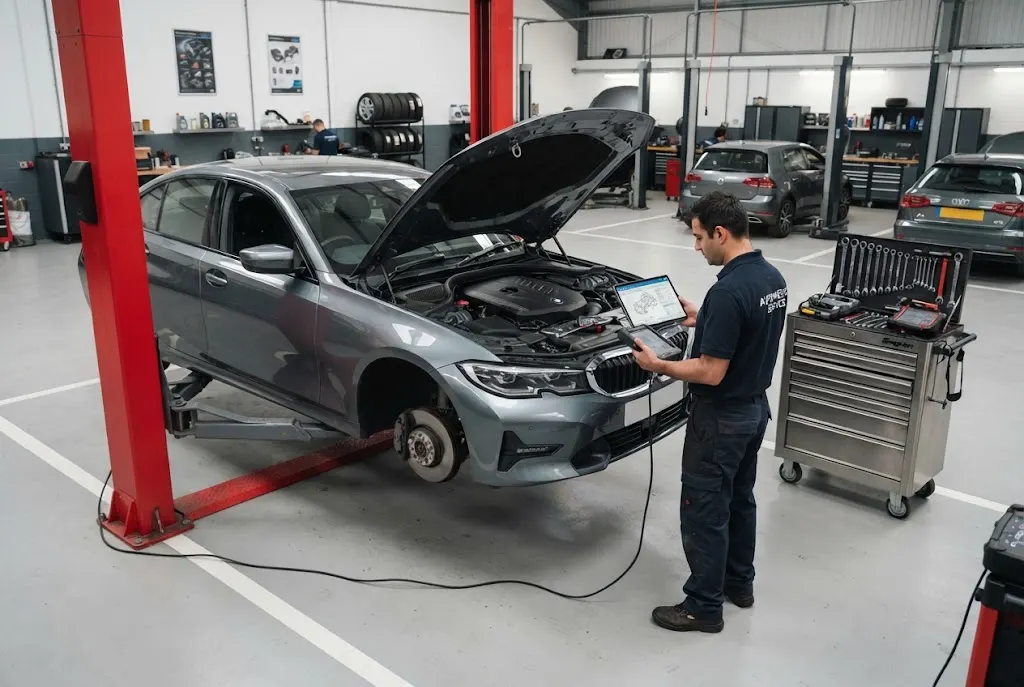
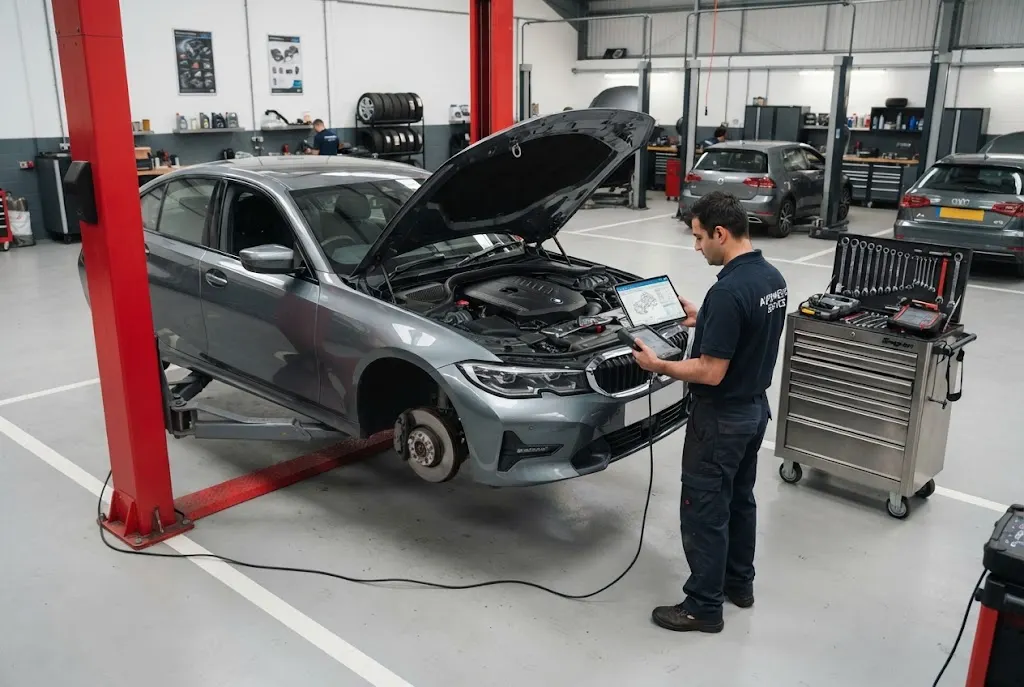
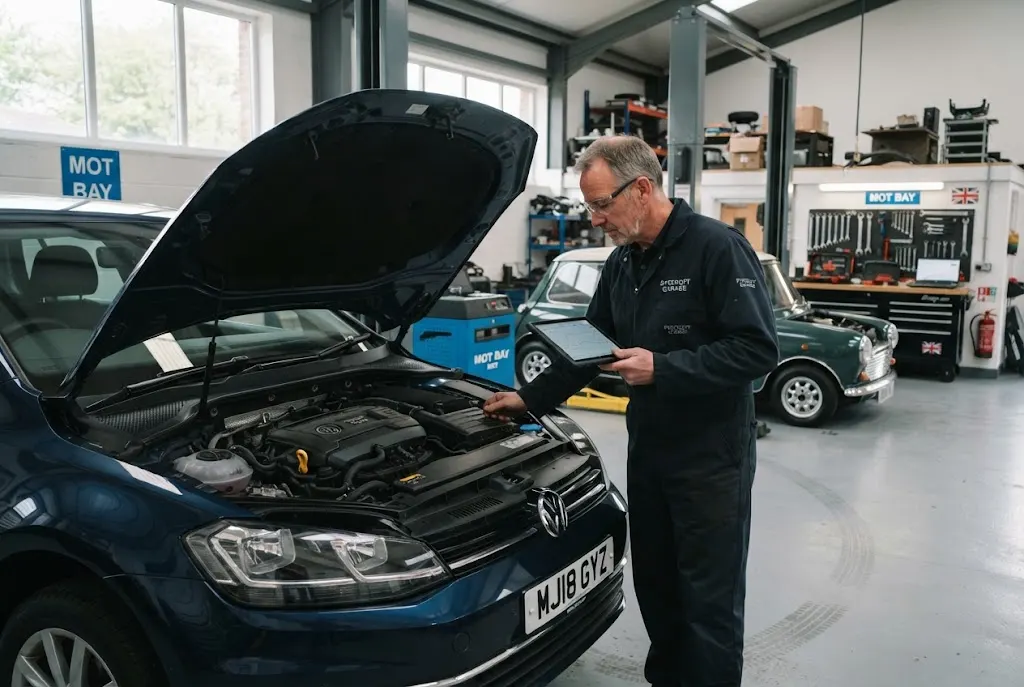
An inspection is essentially an opportunity to assess the condition of a vehicle before a small concern becomes a larger problem. Depending on the type of inspection, technicians may examine components such as brakes, tyres, suspension, steering, lights, fluid levels, belts, exhaust components, and other important systems.
Modern auto inspection services can also work alongside diagnostic equipment. Electronic diagnostics may help identify fault codes or system irregularities that would be difficult to discover through a visual inspection alone. This combination can provide a more complete picture of what is happening inside and outside the vehicle.
The purpose is not necessarily to find something wrong with every car. Instead, a good inspection should help establish what is working properly, what may need attention, and what should be monitored over time.
Why Safety Inspections Should Be Part of Responsible Ownership
Vehicle safety is one of the strongest reasons to take inspections seriously. Brakes, tyres, steering, suspension, lighting, and other safety-related components all contribute to how a vehicle behaves on the road.
Some problems develop gradually. Brake performance can deteriorate over time, tyres can lose condition, and suspension components can become worn without producing an obvious warning for the driver. Regular safety inspections can therefore complement routine servicing and help identify issues before they become more disruptive.
For UK motorists, roadworthiness is particularly important. The GOV.UK MOT guidance explains the role of the MOT in checking whether a vehicle meets required safety and environmental standards. An MOT, however, should not be viewed as a replacement for ongoing vehicle care throughout the year.
Vehicle Inspection Is More Than a Pass or Fail Result
One common misconception is that an inspection is valuable only when it produces a clear pass or fail outcome. In reality, an inspection can provide useful information even when a vehicle is operating normally.
For example, a technician may identify components that are showing signs of wear but do not yet require immediate replacement. Knowing about these areas gives the owner time to plan. Instead of being surprised by a repair later, the driver can consider the issue alongside other maintenance priorities.
This approach turns an inspection into part of a wider maintenance strategy. It also makes conversations about repairs more informed because the owner has a clearer understanding of the vehicle’s current condition.
How Diagnostics Add Another Layer of Understanding
Visual checks remain important, but today’s vehicles rely heavily on electronic systems. Warning lights, sensor readings, engine management systems, and other electronic components can provide clues about potential problems.
Diagnostics can help technicians investigate these clues more efficiently. A dashboard warning light, for instance, does not always reveal the precise cause of a problem. Diagnostic equipment can help narrow down the area that needs further investigation.
However, diagnostic codes should not automatically be treated as a complete diagnosis. They are useful pieces of information, and their meaning needs to be considered alongside the vehicle’s symptoms, history, physical condition, and professional inspection.
Protecting Long-Term Vehicle Health
Vehicle health is not determined by one inspection. It develops through the way a car is driven, serviced, maintained, and looked after throughout its ownership.
That is why preventive checks can be valuable. Checking tyre condition, fluid levels, lights, windscreen visibility, and other basic areas between professional appointments can help owners stay aware of changes in their vehicles.
For drivers who want a more structured approach, regular auto care services can form part of a wider maintenance routine. Inspection and servicing are not identical, but they can complement each other when the objective is to keep a vehicle reliable and well maintained.
When Should You Consider a Vehicle Inspection?
There is no single inspection schedule that suits every vehicle. Mileage, age, usage, driving conditions, service history, and manufacturer recommendations can all influence what makes sense.
However, an additional inspection may be useful when buying a used vehicle, preparing for a long journey, noticing unusual noises or handling changes, seeing a warning light, or simply wanting a clearer understanding of an older car’s condition.
An inspection can also be worthwhile after an incident that may have affected the vehicle, particularly if there is concern about steering, suspension, wheels, tyres, or other safety-related components.
Preventive Checks Can Improve Maintenance Awareness
Good vehicle ownership does not have to mean constantly worrying about potential faults. Instead, it is about developing awareness. A driver who knows the normal sounds, handling, warning lights, tyre condition, and fluid levels of their car is more likely to notice when something changes.
This awareness can make professional inspections more productive too. Rather than simply saying that the vehicle “doesn’t feel right”, an owner may be able to explain when a sound occurs, whether it happens during braking or acceleration, or whether the steering behaviour has changed.
Small observations can provide useful context for technicians and may help guide further checks.
Inspection, Servicing and Repair Are Different
Understanding the difference between inspection, servicing, and repair can make vehicle ownership less confusing.
An inspection focuses primarily on assessing condition. Servicing involves scheduled maintenance designed to keep relevant systems operating properly. Repair work addresses an identified fault or damaged component.
These activities often overlap, but they serve different purposes. A sensible maintenance plan may use all three at appropriate times instead of relying on one appointment to solve every aspect of vehicle care.
Drivers who need greater flexibility may also explore mobile auto service options where appropriate. Mobile servicing can be particularly useful for owners trying to fit vehicle maintenance around demanding schedules.
Making Better Decisions After an Inspection
The most useful inspection is one that helps an owner understand what should happen next. Not every finding requires immediate action, and not every recommended repair has the same level of urgency.
Ask practical questions. Is the issue safety-critical? Does it affect reliability? Is the component showing normal wear? Does it require attention now, or should it simply be monitored? Understanding the difference can make maintenance planning more manageable.
It is also worth considering the vehicle’s age, condition, expected future use, and overall value when deciding how to approach non-urgent work. This creates a more balanced approach to maintenance rather than reacting to every recommendation in isolation.
Building a Smarter Approach to Vehicle Ownership
Looking beyond vehicle inspections ultimately means becoming more proactive. A responsible owner does not wait for a breakdown or warning light before thinking about vehicle health. Instead, inspections, servicing, diagnostics, basic preventive checks, and sensible driving habits all contribute to a longer-term approach.
This mindset can also connect with understanding car service cost. Knowing the condition of a vehicle makes it easier to anticipate potential maintenance expenses and plan rather than react when an unexpected problem occurs.
Likewise, drivers interested in improving their everyday relationship with their vehicles can benefit from developing practical mindful driving habits. Smooth acceleration, appropriate braking, awareness of road conditions, and avoiding unnecessarily harsh driving can all support a more considered ownership approach.
Why Vehicle Health Deserves Ongoing Attention
A car is a significant part of everyday life for many UK drivers. It may be used for commuting, family responsibilities, business journeys, shopping, holidays, and countless other trips. When a vehicle is neglected, the consequences can extend beyond an inconvenient repair.
Regular awareness of vehicle condition helps owners stay ahead of potential issues and make decisions with greater confidence. It does not eliminate every possibility of mechanical failure, but it can create a more organised and responsible approach to vehicle ownership.
Ultimately, auto inspection services should not be viewed simply as a one-off check. They can be part of a wider approach to safety, diagnostics, preventive maintenance, and vehicle health. By looking beyond the pass-or-fail mindset and paying attention to the condition of a vehicle throughout the year, drivers can become more informed, prepared, and responsible owners.