Knowing your car service cost before maintenance is carried out can make vehicle ownership easier to manage. Yet servicing prices are rarely identical from one vehicle to another. The type of service, vehicle age, manufacturer requirements, parts, labour, location, and additional repairs can all affect the final bill.
Rather than focusing only on the cheapest quote, drivers can benefit from understanding what they are paying for and how servicing fits into the wider cost of ownership. Good financial awareness can make it easier to budget for routine maintenance, prepare for potential repairs, and recognise genuine value for money.
What Determines Car Service Cost?
There is no universal price for servicing because every vehicle and service requirement is different. A relatively straightforward routine service may involve a different amount of labour and parts from a more comprehensive service.
The vehicle itself is one of the first factors to consider. Make, model, engine type, age, mileage, and manufacturer service requirements can influence the work involved. A specialist vehicle may also require particular parts, equipment, or technical expertise.
Labour rates vary between garages and locations as well. In addition, the condition of the vehicle can affect the final cost if the inspection identifies components that require attention.
Understanding Different Servicing Prices
When comparing servicing prices, it is important to establish exactly what each quote includes. Two garages can advertise different prices while offering services that are not directly comparable.
A basic service may cover a defined set of checks and routine maintenance items, while a more comprehensive service may involve additional inspections and replacement items according to the vehicle’s requirements.
Before agreeing to work, ask what is included in the quoted price. Find out whether labour, parts, fluids, diagnostic checks, and any applicable taxes are included. Clear information at the beginning can make the final invoice easier to understand.
Routine Maintenance Is Part of Ownership Costs
It is easy to think of vehicle expenses mainly in terms of fuel, insurance, and finance payments. However, maintenance expenses are another important part of owning a car.
Routine servicing, tyres, brakes, fluids, replacement parts, inspections, and unexpected repairs can all contribute to the overall cost of keeping a vehicle on the road.
Understanding these expenses can help drivers develop a more realistic ownership budget. Instead of treating every maintenance bill as an unexpected financial problem, owners can plan for routine costs while maintaining some flexibility for repairs that cannot be predicted.
Why Budgeting for Vehicle Maintenance Matters
A maintenance budget does not have to be complicated. The objective is simply to recognise that vehicles require ongoing spending.
Drivers can keep records of previous servicing and use the vehicle manufacturer’s recommended maintenance schedule as a planning reference. Looking at previous expenses can also provide a useful indication of the types of costs that may arise in the future, although it cannot predict the exact price of every repair.
For motorists who use their cars heavily, planning may be particularly important. Higher mileage and frequent journeys can mean that maintenance needs arise sooner than they might for a vehicle used occasionally.
Car Service Cost and Vehicle Condition
The condition of a vehicle can have a significant influence on what happens during a service. A well-maintained car may require relatively straightforward routine work, while a vehicle with neglected maintenance may need additional repairs.
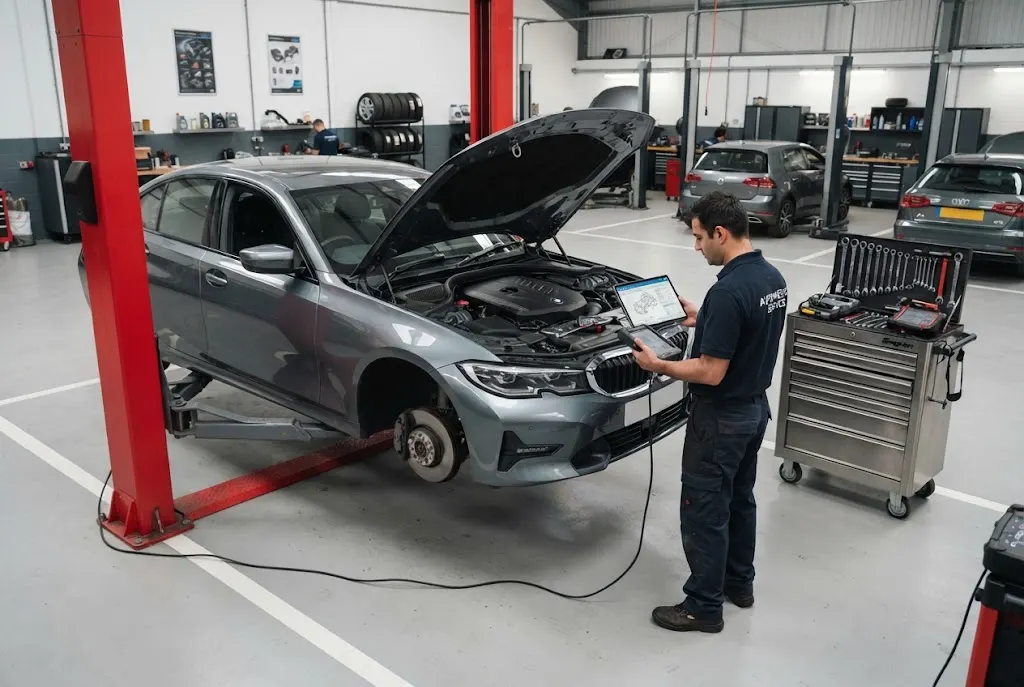
This is one reason preventive vehicle care matters. Regular auto inspection services can provide useful information about the vehicle’s condition and may help identify developing concerns before they become more disruptive.
An inspection does not guarantee that future repairs will be avoided. Instead, it can give owners a clearer understanding of vehicle health and help them make better-informed maintenance decisions.
Should You Always Choose the Cheapest Service?
Price is naturally important, but the cheapest option is not automatically the best value. Drivers should consider what is included, the quality and suitability of parts, the technician’s expertise, the service provider’s reputation, and whether the work matches the vehicle’s needs.
A very low initial quote may appear attractive but become less competitive if important items are excluded or additional charges appear later. Conversely, a higher quote may represent better value if it includes appropriate work, quality components, and clear communication.
The best approach is to compare like with like. Ask for a breakdown of the proposed work and make sure you understand what you are paying for.
Repair Planning Can Reduce Financial Surprises
Not every issue discovered during servicing requires exactly the same response. Some repairs may be urgent, particularly where safety is concerned. Others may involve components showing wear that should be monitored or addressed within a reasonable timeframe.
When a mechanic recommends additional work, ask practical questions about its urgency, purpose, and potential consequences of delaying it. This does not mean ignoring professional advice. Instead, it gives the owner enough information to prioritise genuine needs.
Repair planning can also help spread appropriate non-urgent maintenance across a realistic budget. However, safety-critical work should not be postponed simply to reduce immediate spending.
How Vehicle History Can Help With Budgeting
Keeping a record of servicing and repairs can provide valuable context when planning future maintenance. A service history can show when important work was last completed and may highlight recurring areas that deserve attention.
For example, knowing when tyres, brakes, filters, fluids, or other service items were last addressed can make future planning more structured. It also gives a mechanic useful information when assessing the vehicle.
Documentation can be particularly useful when a vehicle changes ownership. A clear maintenance history can demonstrate that the car has received ongoing attention and gives a future owner more information about its condition.
Mobile Servicing Can Change the Practical Cost of Maintenance
Financial cost is not the only cost associated with vehicle servicing. Time, travel, alternative transport, and disruption can also affect the overall experience.
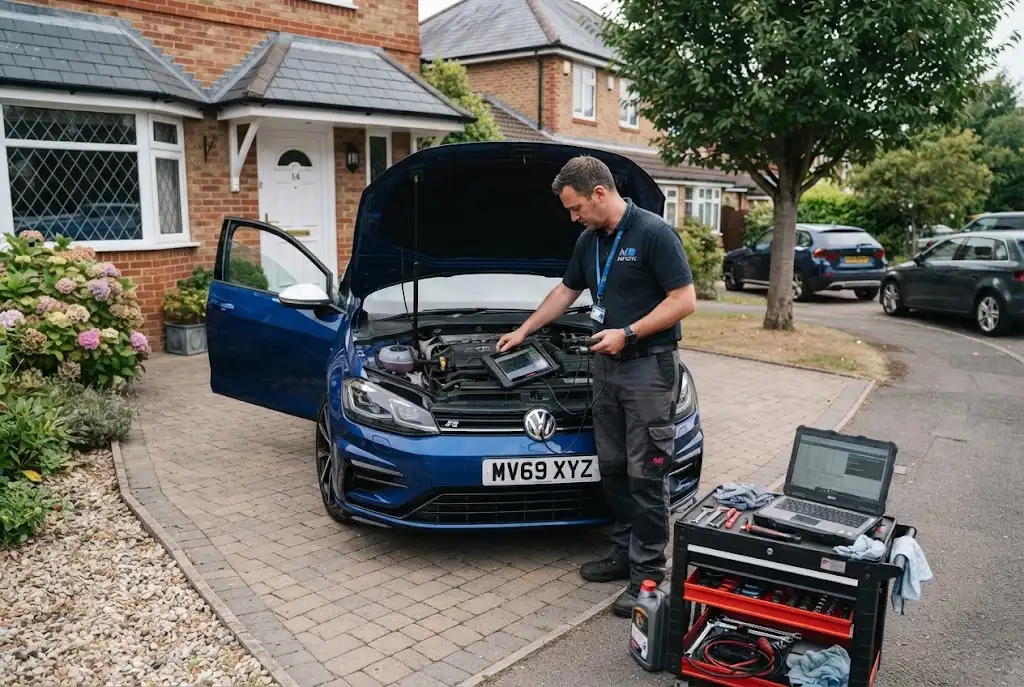
For suitable jobs, a mobile auto service can reduce some of these practical inconveniences by bringing a mechanic to a customer’s location. This may be useful for drivers who have demanding schedules or limited time available for traditional garage visits.
However, mobile servicing is not suitable for every repair. Some jobs require workshop equipment or facilities, so the type of work should always determine the most appropriate service environment.
Vehicle Care Can Influence Long-Term Spending
Routine care cannot eliminate unexpected repairs, but neglecting maintenance can create avoidable problems. Keeping up with appropriate servicing and paying attention to changes in the vehicle can support a more proactive approach.
Good auto care services can form part of this approach by providing professional maintenance and support when required. Owners can complement this with simple habits such as monitoring tyre condition, responding to warning lights, keeping the vehicle clean, and following appropriate maintenance schedules.
The goal is not to spend money unnecessarily. It is to maintain the vehicle in a sensible way while dealing with problems at an appropriate stage.
How to Compare a Service Quote
A few straightforward questions can make comparing quotes easier:
- What type of service is being provided?
- Which parts and fluids are included?
- Is labour included in the quoted price?
- Are diagnostic checks included where relevant?
- Could additional work be required if faults are discovered?
- Are replacement parts original, manufacturer-approved, or from another suitable specification?
- What work is recommended now, and what can reasonably be monitored?
Getting clear answers can prevent misunderstandings and make it easier to compare different providers fairly.
Why Financial Awareness Makes Vehicle Ownership Easier
Understanding maintenance expenses can change the way drivers think about vehicle ownership. Instead of viewing every service as an isolated bill, owners can consider maintenance as one component of the vehicle’s longer-term running costs.
This perspective encourages better planning. It also helps drivers evaluate whether keeping an older vehicle remains financially sensible when repairs become more frequent.
There is no single answer for every owner. A repair that makes sense for one vehicle may not make sense for another depending on age, condition, mileage, expected future use, and overall value.
Car Service Cost Should Be Viewed in Context
A service bill can seem expensive when considered on its own, but its value needs to be considered alongside the role maintenance plays in vehicle reliability, safety, and long-term condition.
Regular servicing is not a guarantee against breakdowns, nor does spending more automatically mean better care. What matters is whether the work is appropriate, necessary, competently carried out, and clearly explained.
Drivers can strengthen this approach by learning more about their vehicle, keeping maintenance records, comparing transparent quotes, and developing practical care habits.
Plan Ahead Rather Than React to Every Repair
A sensible maintenance strategy combines preparation with flexibility. Routine servicing can be budgeted for, while a separate allowance for unexpected repairs can provide additional financial resilience.
It is also useful to understand how driving habits can affect the demands placed on a vehicle. A more deliberate approach to driving can complement mechanical maintenance, which is why mindful driving can form part of a broader responsible ownership strategy.
When maintenance, driving habits, inspections, and budgeting are considered together, vehicle ownership becomes easier to manage as a long-term responsibility rather than a series of unexpected expenses.
Making Better Decisions About Maintenance
Understanding car service cost is ultimately about more than finding the lowest possible price. It is about understanding what your vehicle needs, what a service includes, which repairs are genuinely important, and how maintenance fits into your overall ownership budget.
Drivers who keep records, arrange appropriate preventive checks, compare transparent quotes, and respond to problems at the right time are better positioned to manage maintenance expenses. They can also make decisions based on the vehicle’s condition and long-term needs rather than reacting solely to the size of an individual bill.
Good financial awareness does not mean avoiding necessary maintenance. Instead, it means planning for it, understanding its purpose, and looking for genuine value. That approach can make vehicle ownership more predictable while supporting the safety, reliability, and long-term condition of the car.