Looking after a vehicle is about more than reacting when something goes wrong. Building consistent habits can make everyday vehicle ownership easier, more predictable, and more responsible. Professional auto care services have an important role in that process, but good vehicle care also comes from the small decisions drivers make between appointments.
From keeping a car clean and checking its condition to following sensible maintenance routines, these habits can help owners stay more aware of their vehicle. The aim is not to obsess over every minor detail. Instead, it is to create a practical ownership routine that supports safety, reliability, appearance, and long-term value.
Why Auto Care Services Are Part of Better Ownership
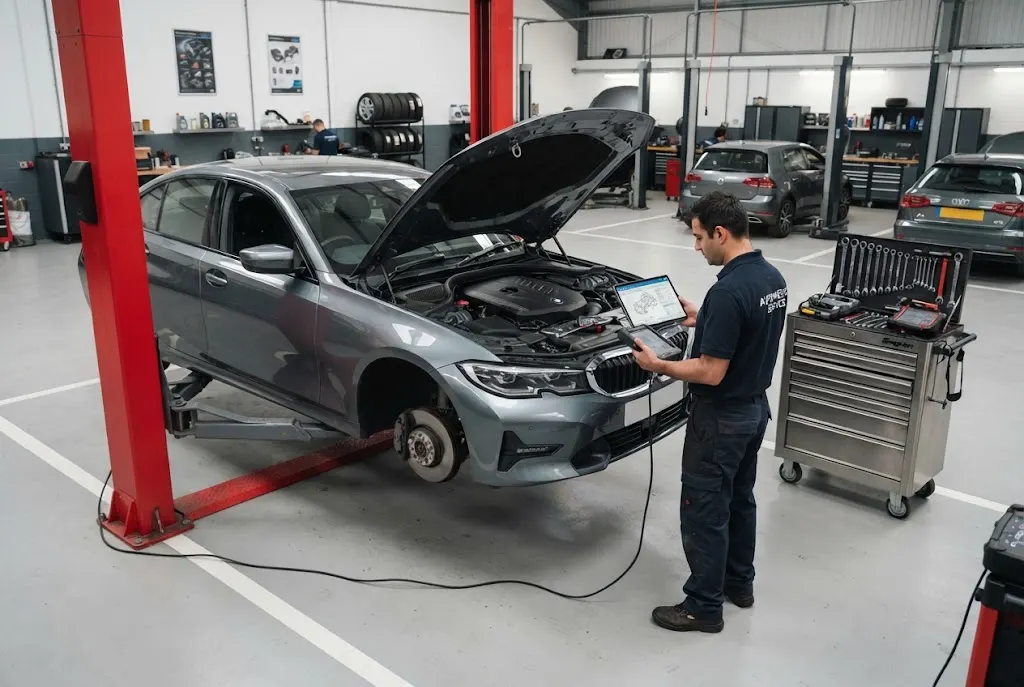
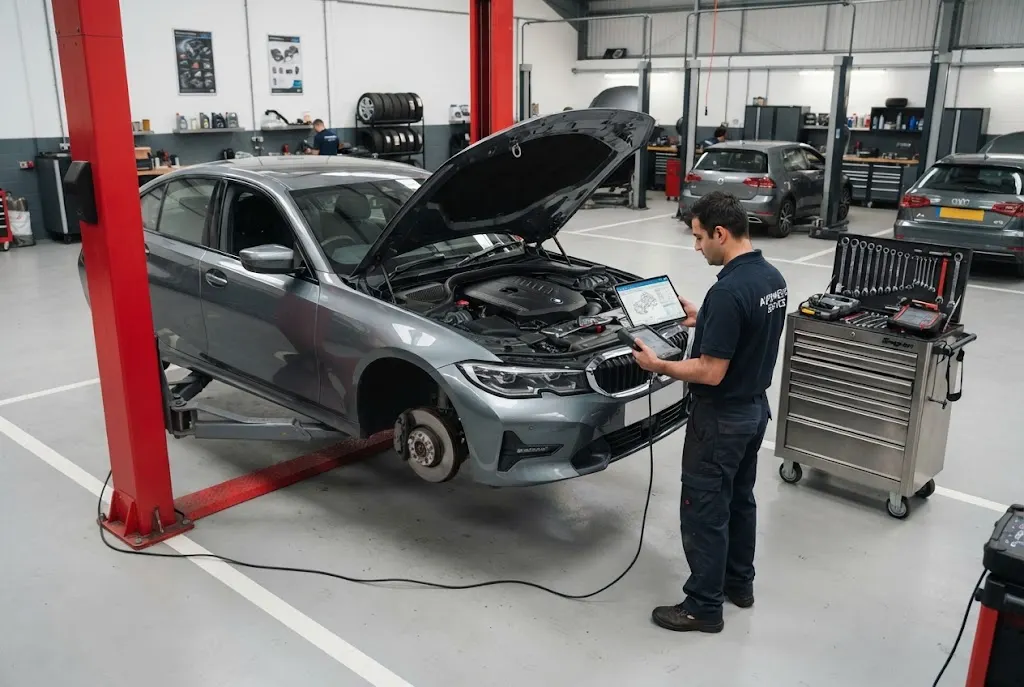
Vehicles need ongoing attention because components wear, fluids require attention, tyres change condition, and mechanical systems can develop problems over time. Professional auto care services provide the expertise and equipment needed for maintenance and repairs that cannot be handled through simple checks at home.
However, professional care works best when it is combined with an owner who pays attention to the vehicle throughout the year. Knowing when the car was last serviced, recognising unusual changes, and responding appropriately to warning signs can make maintenance more organised.
This is where mindful ownership begins. Rather than treating a vehicle as something that only needs attention when it breaks down, drivers can view maintenance as a normal part of owning and using a car.
Start With a Simple Maintenance Routine
A good maintenance routine does not need to be complicated. The most useful approach is one that is realistic enough to follow consistently.
Drivers can make a habit of checking basic areas such as tyre condition, lights, fluid levels, windscreen visibility, and warning indicators. The frequency of these checks depends on the vehicle and its use, but the underlying principle remains simple: notice changes early.
Keeping track of scheduled servicing and MOT requirements is equally important. The GOV.UK MOT guidance provides official information about MOT requirements and what motorists should know about the test.
These basic habits do not replace professional maintenance. Instead, they help owners remain informed between professional appointments.
Vehicle Care Begins With Awareness
Drivers spend considerable time inside their vehicles, which means they are often the first people to notice changes. A new vibration, unfamiliar sound, unusual smell, warning light, change in braking behaviour, or alteration in steering feel can all be reasons to investigate further.
Not every unusual sensation indicates a serious fault. Nevertheless, ignoring a persistent change can make it harder to understand what is happening later.
Good vehicle care therefore starts with awareness rather than technical expertise. You do not need to diagnose a mechanical problem yourself. You simply need to recognise when your vehicle is behaving differently from normal and seek appropriate advice when necessary.
Car Cleaning Is More Than an Appearance Issue
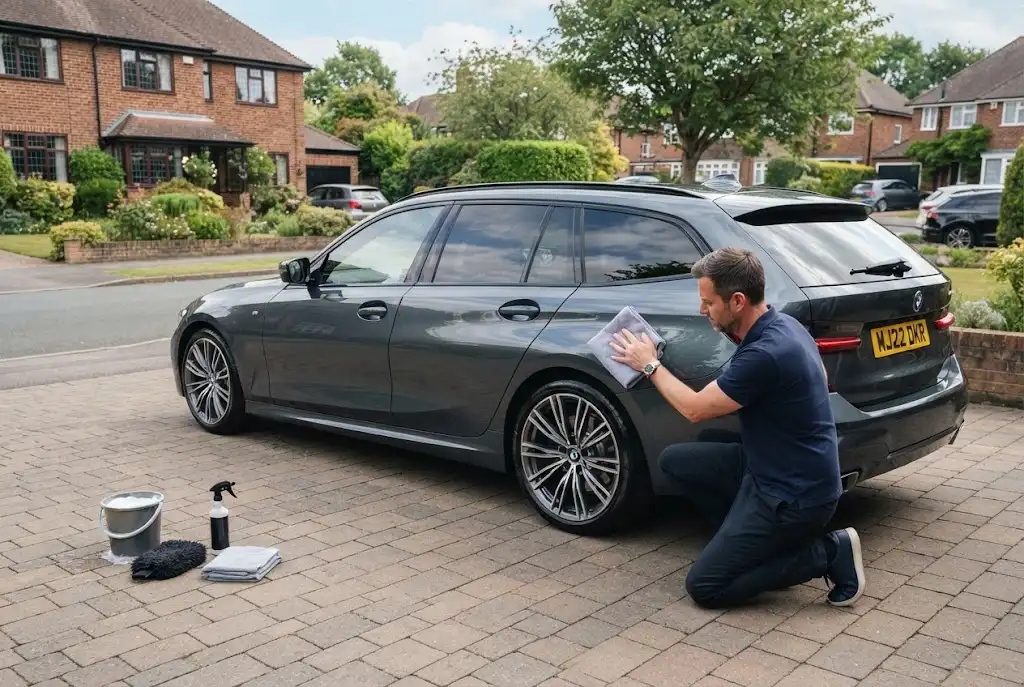
Car cleaning is often treated as a cosmetic task, but keeping a vehicle clean can also support general ownership awareness. Washing the exterior gives drivers an opportunity to notice scratches, damaged trim, corrosion, cracked lights, or other visible changes.
Cleaning the interior can also make it easier to spot wear and damage. Windscreen and window cleaning supports visibility, while removing unnecessary clutter can make the driving environment more comfortable and practical.
Of course, cleaning cannot prevent every mechanical problem. Its value comes from combining appearance and observation with proper maintenance.
Professional Inspections Can Complement Routine Care
Home checks are useful, but they have limits. A vehicle contains many components that require professional knowledge, specialist tools, or diagnostic equipment to assess properly.
For that reason, owners can complement their personal routines with auto inspection services when an assessment of the vehicle’s wider condition is appropriate.
An inspection can help identify potential issues and provide a clearer picture of vehicle health. This can be particularly useful when a car has developed unusual symptoms, is approaching an important maintenance milestone, or has an uncertain history.
The combination of regular awareness and professional assessment creates a more complete approach than either one alone.
Why Practical Habits Can Protect Long-Term Value
A vehicle represents a significant financial commitment, so long-term value naturally matters to many owners. No maintenance routine can guarantee a particular resale price, but sensible care can help preserve a vehicle’s condition.
Following recommended servicing schedules, addressing appropriate repairs, keeping records, maintaining tyres, and looking after the interior and exterior can all contribute to a well-maintained vehicle.
Just as importantly, consistent care can make problems easier to identify and manage. A driver who keeps track of maintenance history has more information available when deciding whether a repair is necessary or when considering a future vehicle purchase or sale.
Build Maintenance Into Your Lifestyle
One reason vehicle maintenance gets postponed is that it is treated as a separate task that must compete with everything else in life. A more practical approach is to make it part of an existing routine.
For example, drivers can check tyre condition before longer journeys, pay attention to warning indicators during normal driving, and keep service dates in a calendar. These small actions can require very little time but create greater awareness over the long term.
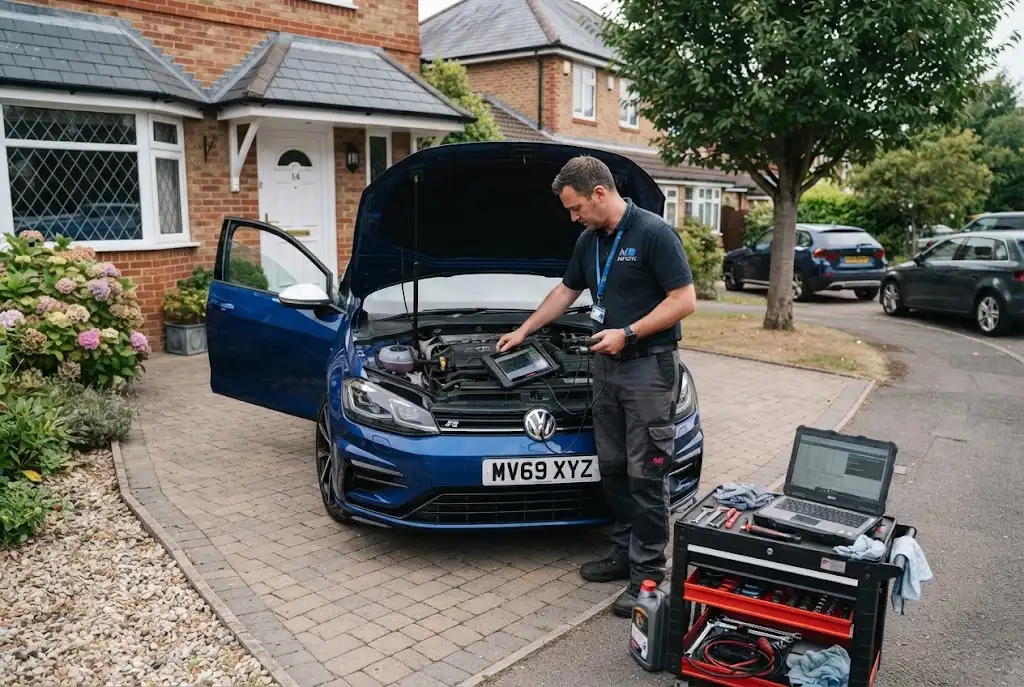
For people with particularly busy schedules, mobile auto service can provide another way to make suitable maintenance more convenient. Having certain services carried out at a convenient location can reduce some of the practical barriers that lead people to postpone vehicle care.
Understand the Difference Between Maintenance and Repair
Maintenance is generally about keeping a vehicle in appropriate condition, while repairs deal with problems that have already developed. The distinction matters because preventive maintenance is often easier to plan than unexpected repair work.
That does not mean every possible problem can be prevented. Cars can still develop faults despite good care. However, regular attention can help owners identify some concerns earlier and make more informed decisions about what needs to happen next.
When professional work is recommended, drivers should ask what the issue is, why the work is necessary, how urgent it is, and what could happen if it is delayed. Clear information makes it easier to prioritise spending without ignoring genuine safety concerns.
Good Habits Include Financial Awareness
Responsible vehicle ownership also involves understanding the financial side of maintenance. Unexpected repairs can be difficult to manage when there is no allowance for vehicle-related expenses.
Learning about car service cost can help drivers develop more realistic expectations around routine servicing and maintenance. Prices vary according to the vehicle, location, parts, labour, and work required, so owners should consider their individual circumstances rather than relying on a single general figure.
Planning ahead for routine maintenance can also reduce the temptation to postpone necessary work simply because it was not included in the household budget.
Driving Habits Are Part of Vehicle Care
Maintenance is only one part of the ownership equation. How a vehicle is driven also affects the overall driving experience and the demands placed on various components.
Smoother acceleration, appropriate braking, sensible speeds, awareness of road conditions, and avoiding unnecessary harsh treatment can contribute to a more considered driving style. These habits are not substitutes for mechanical maintenance, but they fit naturally into a responsible ownership mindset.
Drivers interested in this wider perspective can explore the principles of mindful driving, which focuses on making more deliberate decisions behind the wheel and becoming more aware of everyday driving behaviour.
Create a Vehicle Care Checklist
A simple checklist can make vehicle care easier to remember. It could include:
- Checking tyre condition and pressures according to the vehicle manufacturer’s guidance.
- Making sure lights and indicators are working properly.
- Paying attention to dashboard warning lights.
- Checking fluid levels when appropriate.
- Keeping windows, mirrors, and the windscreen clean.
- Following recommended servicing schedules.
- Keeping useful maintenance records.
- Investigating persistent changes in sounds, handling, or performance.
- Arranging professional assessment when a problem requires specialist attention.
The purpose of a checklist is not to turn vehicle ownership into a complicated project. It simply provides a repeatable structure that can reduce the chance of important tasks being forgotten.
Mindful Ownership Is About Consistency
The strongest vehicle care habits are usually the simplest ones that owners can maintain over time. Checking a car once and then ignoring it for months is less useful than developing a consistent routine of observation, maintenance, and professional support.
Consistency also makes it easier to understand a vehicle’s normal condition. When owners are familiar with how their car normally feels and sounds, changes can become easier to recognise.
That awareness can lead to better conversations with mechanics and more informed maintenance decisions. Instead of reacting only when a serious fault appears, drivers can approach vehicle care with a clearer understanding of what their car needs.
Better Auto Care Habits Support Responsible Care
Responsible car ownership does not require perfection. It requires attention, planning, and sensible action. Professional auto care services can provide essential expertise, while everyday habits help owners stay connected to the condition of their vehicles.
From regular preventive checks and appropriate servicing to cleaning the car and paying attention to changes in performance, each habit contributes to a wider ownership routine. Financial planning can make maintenance more manageable, while convenient options such as mobile servicing can help busy drivers stay on schedule.
Ultimately, better vehicle care is less about doing everything at once and more about doing the right things consistently. When maintenance awareness becomes part of the ownership lifestyle, drivers are better positioned to look after their vehicles, respond to problems appropriately, and protect the value and reliability of an important everyday asset.