Driving can become so familiar that many journeys happen almost automatically. We follow the same routes, respond to familiar traffic patterns, and move through daily commutes without giving much thought to the decisions involved. Mindful driving offers a different approach. It means becoming more aware of how you drive, how your vehicle responds, what is happening around you, and how everyday choices affect safety, vehicle wellbeing, and the wider journey.
Mindful driving is not about making every trip slow or complicated. Instead, it encourages deliberate decisions behind the wheel. By paying closer attention to driving habits, road conditions, vehicle behaviour, and mobility choices, motorists can develop a more responsible relationship with their cars and the roads they use.
What Does Mindful Driving Actually Mean?
Mindful driving is essentially about awareness and intention. Rather than driving purely out of habit, the driver remains attentive to the road, surroundings, vehicle behaviour, and decisions being made throughout the journey.
This can include allowing appropriate space from other vehicles, anticipating changes in traffic, avoiding unnecessary harsh acceleration, braking smoothly where conditions allow, and remaining alert to changing road conditions.
It also means recognising when circumstances require a different approach. Heavy traffic, poor weather, unfamiliar roads, pedestrians, cyclists, roadworks, and changing visibility can all require greater attention and more deliberate decisions.
The concept is straightforward: drive with awareness rather than simply going through the motions.
Mindful Driving Starts Before the Journey
Good driving habits do not begin when the vehicle starts moving. A few moments of preparation can make a journey more organised and help reduce avoidable distractions.
Before setting off, drivers can make sure they have a clear route, appropriate visibility, and a comfortable driving position. Necessary items should be secured, while distractions that could take attention away from the road should be dealt with before moving.
Vehicle condition also matters. Basic awareness of tyres, lights, windscreen visibility, warning indicators, and other important areas can help drivers identify concerns before they become more significant.
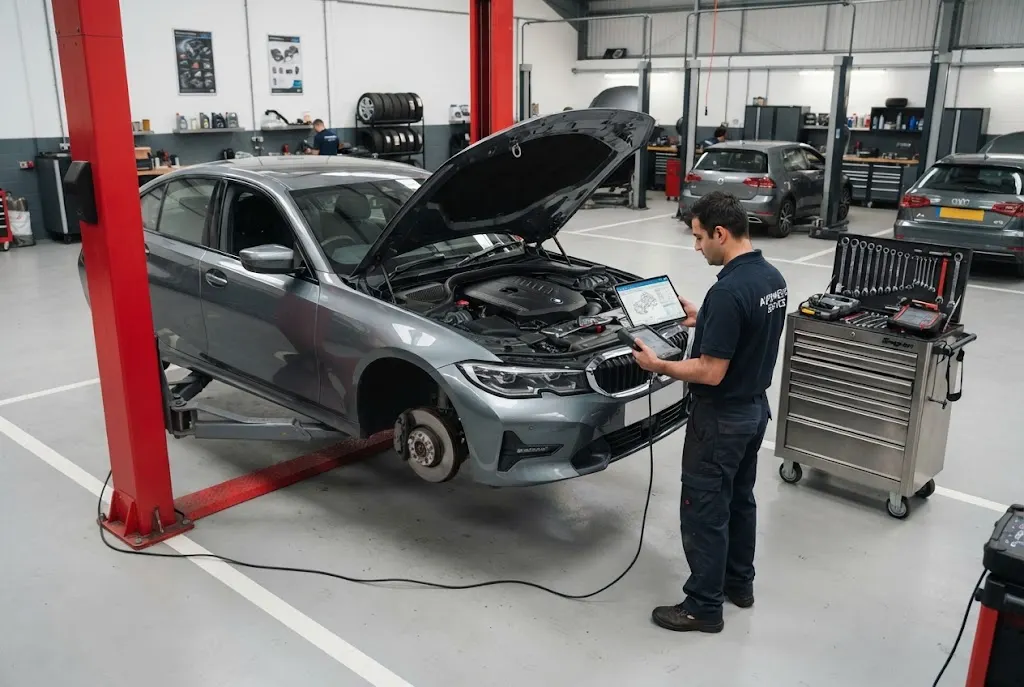
For a more comprehensive assessment when appropriate, auto inspection services can provide professional insight into vehicle condition and roadworthiness.
Why Awareness Matters on Busy UK Roads
Road environments can change quickly. A quiet residential street can lead to a busy junction, a motorway, a rural road, or an area with cyclists and pedestrians within the same journey.
Mindful driving encourages motorists to continuously assess what is happening rather than relying entirely on assumptions. This can mean looking further ahead, noticing potential changes in traffic flow, and giving themselves enough time to respond appropriately.
Anticipation is particularly valuable. If traffic ahead is slowing, recognising that change early may allow a driver to reduce speed progressively instead of braking sharply at the last moment.
The GOV.UK Highway Code provides official guidance covering road users, rules, responsibilities, and safe road behaviour in Great Britain.
Smarter Driving Habits Can Support Vehicle Wellbeing
Mindful driving is not only about what happens around the vehicle. It also involves paying attention to how driving behaviour affects the car itself.
Repeated harsh acceleration, unnecessary heavy braking, aggressive manoeuvres, or ignoring changes in vehicle behaviour can place additional demands on components. A smoother and more considered driving style can help create a calmer relationship between driver, vehicle, and road.
This does not mean every component will last longer simply because someone drives carefully. Vehicles still experience normal wear, and maintenance remains essential. However, thoughtful driving can complement proper servicing and preventive care.
Drivers can combine this approach with regular auto care services to keep maintenance needs and driving habits connected rather than treating them as completely separate parts of ownership.
Mindful Driving and Responsible Ownership
Responsible ownership involves more than paying for servicing when a problem appears. It includes understanding that a vehicle needs regular attention and that the driver’s behaviour is part of the overall ownership experience.
A responsible driver pays attention to warning lights, unusual sounds, changes in handling, tyre condition, and other signs that something may need investigation. They also recognise when a problem should be assessed professionally rather than attempting to ignore it.
That mindset connects closely with the idea of vehicle health. A car is more likely to receive appropriate care when its owner remains aware of its condition and does not regard maintenance as an inconvenience to be postponed indefinitely.
How Mindful Driving Can Improve Everyday Decisions
Many driving decisions happen within seconds. Should you accelerate to close a gap? Is there enough space to change lanes? Does the road ahead require a reduction in speed? Is the weather changing the conditions?
Mindful driving encourages drivers to pause mentally before reacting whenever circumstances allow. Instead of responding automatically, the driver considers what is happening and chooses an appropriate action.
This can create a more predictable driving style. Predictability benefits the driver and can also make interactions with other road users easier because sudden and unnecessary movements are reduced.
It is important to remember that mindful driving is not the same as driving excessively slowly or hesitating unnecessarily. Good judgement still requires appropriate confidence and awareness of the traffic environment.
Sustainable Mobility Begins With Everyday Choices
Sustainable mobility is often discussed in terms of public transport, walking, cycling, electric vehicles, and other alternatives to conventional car use. Those choices are important, but sustainability can also involve thinking carefully about when and how a vehicle is used.
For some journeys, walking, cycling, public transport, or shared travel may be practical alternatives. For others, a personal vehicle may remain the most realistic option because of distance, work requirements, accessibility, family responsibilities, or limited transport connections.
Mindful mobility does not require every driver to make identical choices. Instead, it encourages people to consider whether a particular journey needs to be made by car and whether there is a more suitable option available.
Planning Journeys Can Reduce Unnecessary Stress
Rushed journeys can encourage poor decisions. Leaving too late, failing to account for traffic, or driving while distracted by navigation can make an otherwise straightforward trip more stressful.
Better planning can help. Checking the route before departure, allowing reasonable time, and understanding likely traffic conditions can create a calmer journey.
Technology can support this process, but it should not become a source of distraction. Navigation should be set up before driving wherever possible, and motorists should avoid interacting unnecessarily with devices while the vehicle is moving.
Mindful Driving Includes Knowing When Not to Drive
One of the most important mobility choices is deciding whether driving is appropriate at all. Fatigue, illness, alcohol, certain medications, emotional distress, and other circumstances can affect a person’s ability to drive safely.
A mindful approach includes recognising personal limitations rather than assuming that every journey must go ahead exactly as planned.
If a driver is too tired or otherwise not in a suitable condition to drive, finding an alternative can be a more responsible decision. Sometimes the smartest transport choice is to delay the journey, use another form of transport, or ask someone else to drive.
Vehicle Maintenance Supports Mindful Mobility
Driving with purpose also means understanding that mobility depends on a functioning vehicle. A car that is poorly maintained can become less reliable and may present problems at inconvenient times.
Routine servicing helps address scheduled maintenance needs, while inspections and diagnostics can help investigate specific concerns. Drivers should also understand that an MOT is not a substitute for ongoing maintenance throughout the year.
When planning maintenance, understanding car service cost can make it easier to include vehicle expenses in a wider household or personal budget. Financial planning is another part of responsible vehicle ownership because essential maintenance should not always come as a surprise.
Convenience Can Support Better Driving Habits
Modern lifestyles can make vehicle maintenance difficult to organise. Long working hours, family responsibilities, and busy schedules can lead drivers to postpone routine care.
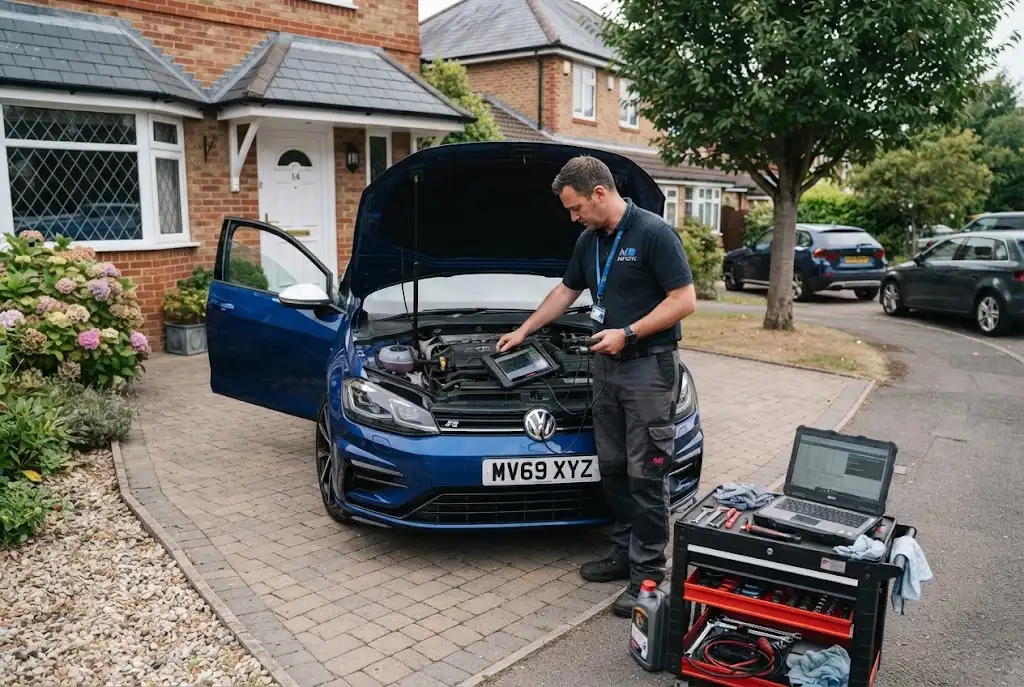
For suitable maintenance and repair work, a mobile auto service can provide additional flexibility by bringing professional support to a convenient location.
The broader principle is simple: when appropriate vehicle care is easier to arrange, drivers may find it easier to maintain consistent ownership habits. Convenience should support responsible care rather than replace it.
Small Changes Can Make Driving More Deliberate
Mindful driving does not require a complete change in personality or driving style overnight. Small adjustments can gradually create greater awareness.
- Look further ahead instead of focusing only on the vehicle immediately in front.
- Leave appropriate space so there is more time to respond to changing traffic.
- Accelerate and brake smoothly when road conditions permit.
- Pay attention to changing weather and visibility.
- Minimise distractions before and during a journey.
- Listen for changes in vehicle behaviour rather than ignoring them.
- Allow enough time for important journeys instead of relying on rushed decisions.
- Consider alternative transport options when they are practical.
These habits are not a replacement for formal driving instruction or the rules of the road. They are practical ways of becoming more attentive to everyday driving decisions.
Mindful Driving Is Part of a Wider Ownership Lifestyle
The way a person drives is connected to the way they look after their vehicle. A driver who pays attention to road conditions may also be more likely to notice changes in tyre condition or handling. Someone who plans journeys carefully may be more inclined to plan servicing and maintenance rather than waiting for a breakdown.
This creates a broader ownership lifestyle built around awareness. Vehicle care, financial planning, maintenance routines, and driving behaviour all influence the experience of owning a car.
It also helps explain why vehicle care should not be considered only when a repair becomes necessary. Regular attention can make ownership more predictable and encourage better decisions over the life of the vehicle.
Making Smarter Transport Choices
Modern transport involves many choices. The car may be the right option for one journey, while public transport, cycling, walking, car sharing, or another solution may make more sense for another.
There is no universal formula because people’s circumstances differ. Distance, accessibility, work patterns, family needs, weather, infrastructure, and available transport options all influence the decision.
What matters is making the choice deliberately. Instead of automatically reaching for the car for every journey, drivers can consider what the journey requires and which option best fits the circumstances.
Driving With Purpose Means Thinking Beyond the Journey
Mindful driving is ultimately about becoming more deliberate behind the wheel. It encourages motorists to pay attention to their surroundings, understand their vehicle, anticipate changes, manage distractions, and consider the consequences of everyday transport decisions.
That approach can support responsible ownership without turning driving into an unnecessarily complicated activity. Regular vehicle maintenance, professional inspections, sensible budgeting, and convenient servicing options can complement better driving habits.
Most importantly, mindful driving recognises that every journey is part of a larger relationship between people, vehicles, roads, and communities. By making more considered decisions, drivers can approach everyday mobility with greater awareness and responsibility.
The objective is not perfection. It is simply to replace automatic habits with thoughtful ones wherever possible. Over time, those small decisions can contribute to a more organised, responsible, and purposeful approach to driving.