For UK drivers, regular attention to vehicle condition is an important part of responsible ownership. An inspection does not guarantee that future faults will be avoided, but it can support better maintenance awareness, repair planning and informed decisions about a vehicle’s long-term reliability.
What Are Auto Inspection Services?
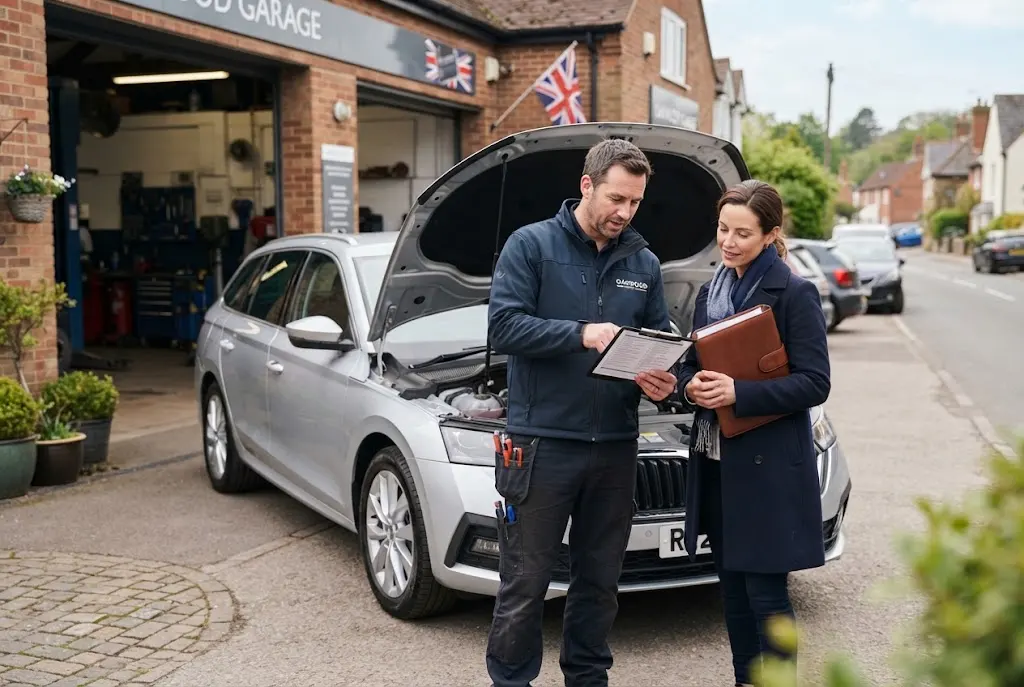
Auto inspection services involve examining a vehicle to assess its current condition. The exact scope depends on the type of inspection, the vehicle and the reason for arranging it.
A professional inspection may include visual checks, functional assessments and diagnostic procedures. Depending on the service, technicians may examine areas such as brakes, tyres, suspension, steering, fluids, lights, electrical systems and other relevant components.
The objective is not simply to identify something that is already broken. An inspection can also help identify signs of wear or developing concerns that may deserve further investigation or planned maintenance.
Why Vehicle Inspections Matter
Vehicles are made up of many interconnected mechanical, electrical and safety systems. Their condition can change over time because of mileage, age, driving conditions, weather and normal wear.
Regular awareness of those changes can help owners make better decisions. For example, a driver who learns that a component is showing signs of wear may have an opportunity to plan appropriate maintenance instead of discovering the problem when the vehicle becomes unusable.
Inspections can therefore form part of a wider preventive-care approach. They provide information that can complement routine servicing and the vehicle’s MOT requirements.
ReflectNow’s guide to vehicle maintenance provides further context on why ongoing attention matters throughout a vehicle’s ownership.
Auto Inspection Services and Road Safety
Vehicle condition has a direct relationship with road safety. Problems involving tyres, brakes, steering, suspension, lights or other safety-related components can affect how a vehicle behaves in everyday traffic.
An inspection can help identify areas that deserve attention, although the exact checks performed will depend on the inspection package and the professional carrying it out.
Drivers should not wait for an inspection if they already notice a serious safety concern. Warning lights, significant braking changes, unusual steering behaviour, severe vibrations, fluid leaks or other obvious symptoms can warrant prompt professional assessment.
Inspection is most useful when it forms part of a broader approach to responsible vehicle care rather than being treated as a substitute for responding to immediate problems.
Inspections Versus an MOT
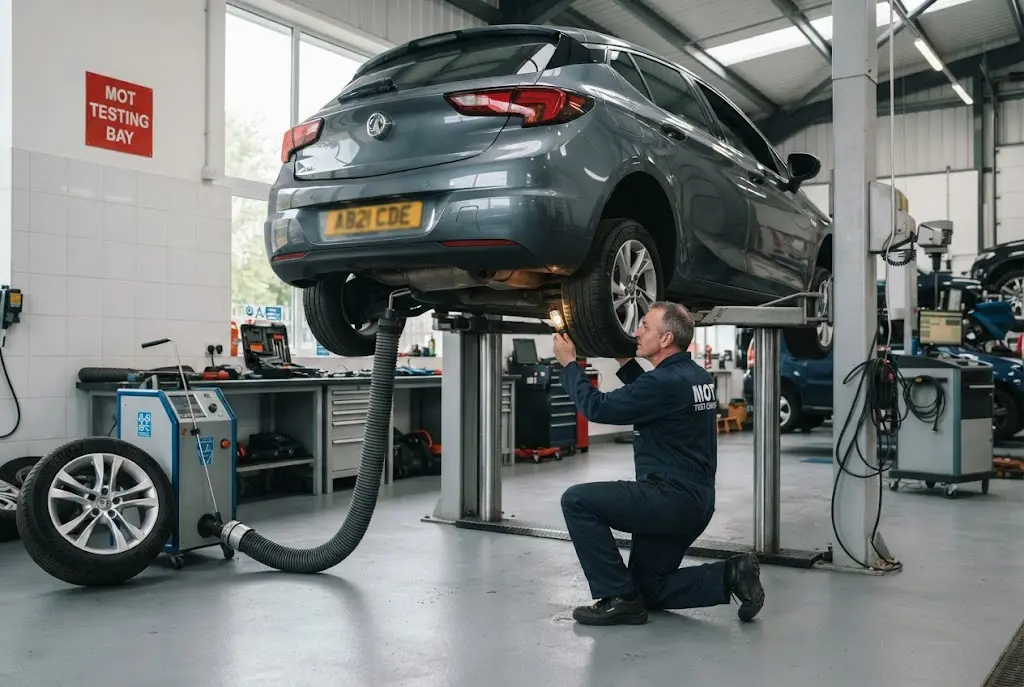
An MOT and an inspection are not the same thing. The MOT is a regulated test covering specific legal safety and environmental requirements. An inspection can have a different scope and may be arranged for a particular reason or to gain additional information about the vehicle.
This distinction is important for UK drivers. A current MOT certificate does not mean that every component will remain in perfect condition until the next test.
Vehicle condition can change after an MOT, and owners remain responsible for keeping their vehicles safe and roadworthy. An inspection can provide additional information when an owner wants to investigate a concern or understand the condition of the vehicle more closely.
For more information about the relationship between testing and ongoing ownership responsibilities, see ReflectNow’s guide to MOT and service.
Diagnostics Can Reveal Hidden Problems
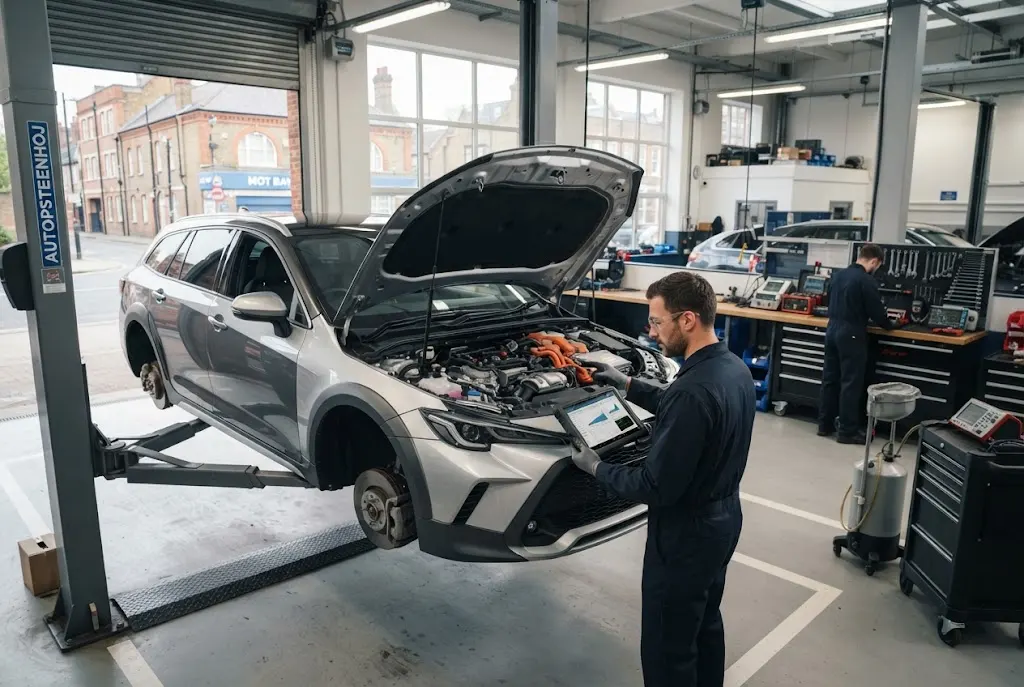
Modern vehicles increasingly rely on electronic control systems and onboard diagnostics. When a dashboard warning appears, diagnostic equipment can sometimes help technicians identify the system associated with the problem.
Diagnostic information is useful, but a fault code should not automatically be treated as a complete diagnosis. A qualified technician may need to carry out additional checks to understand the underlying cause.
This is one reason professional inspection and diagnostics can work together. Electronic information can provide a starting point, while physical and functional checks can help establish what is actually happening with the vehicle.
When Should You Consider an Inspection?
There is no single situation in which every vehicle owner needs an inspection. However, several circumstances can make one particularly useful.
- You notice an unusual noise, vibration or change in vehicle behaviour.
- A warning light appears on the dashboard.
- You are concerned about a specific component.
- You want a clearer picture of a vehicle’s condition.
- You are considering purchasing a used vehicle.
- The vehicle has experienced repeated mechanical problems.
- The car has reached higher mileage and you want to plan future maintenance.
- You want additional information before arranging significant repairs.
The appropriate inspection depends on the reason for booking it. A pre-purchase assessment, for example, may focus on different areas from an inspection arranged because of a braking concern.
Used-Car Buyers Can Benefit From Independent Checks
A used vehicle can have a complicated history. Mileage, previous repairs, accident damage, maintenance quality and general wear can all influence its current condition.
A professional inspection before purchasing can provide additional information that may not be obvious during a short test drive. It cannot eliminate every purchasing risk, but it can help a buyer understand the vehicle’s physical condition before making a financial commitment.
Potential buyers should still review available documentation, verify the vehicle’s history through appropriate channels and consider the results of the inspection alongside other information.
The purpose of an inspection is to improve the information available to the buyer, not to provide an absolute guarantee about future reliability.
Preventive Care Can Support Long-Term Reliability
Preventive care is based on the idea that maintenance is easier to manage when potential problems are identified before they become major disruptions.
An inspection can support this approach by identifying components that may require attention. A technician might identify visible wear, deterioration or another concern that should be monitored or addressed.
Not every observation means immediate repair is necessary. The appropriate response depends on the severity of the issue, manufacturer guidance, safety considerations and professional assessment.
Good preventive care therefore involves understanding the information rather than automatically replacing every component mentioned during an inspection.
Inspection Results Can Improve Repair Planning
One of the practical benefits of an inspection is the information it can provide for repair planning. If several maintenance items are identified, understanding their condition and urgency can help an owner organise the work appropriately.
Safety-critical concerns should receive appropriate attention. Other items may be suitable for planned maintenance depending on their condition and professional advice.
This approach can make ownership more predictable because the driver has a better idea of what may need attention instead of waiting for every issue to become an unexpected breakdown.
ReflectNow’s resource on auto repair services can be used alongside inspection information when considering the next stage of maintenance.
What Happens During a Professional Inspection?
The exact process varies, but a professional inspection generally begins with an assessment of why the vehicle has been brought in and what the owner has noticed.
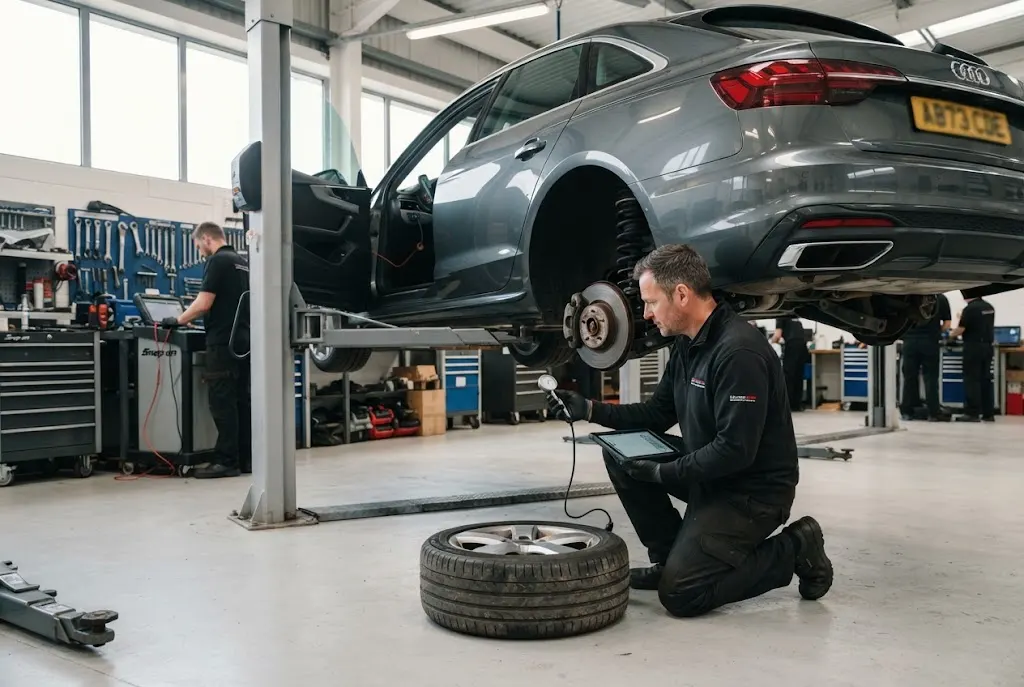
The technician may then inspect relevant components and systems. Depending on the inspection type, this could include checking tyres, brakes, steering, suspension, fluids, lights, electrical systems and other areas.
Diagnostic equipment may be used when electronic systems need further investigation. A road test may also be appropriate where safe and relevant.
The final outcome should give the owner useful information about the condition of the areas examined and any recommended next steps.
Choose an Inspection Service That Matches the Vehicle
Not every inspection provider offers the same scope or technical capabilities. When arranging an inspection, consider the type of vehicle, the reason for the assessment and whether the provider has appropriate equipment and experience.
For some vehicles, particularly modern hybrids and electric cars, specialised knowledge may be relevant. ReflectNow’s resources on hybrid servicing and EV servicing explain why different powertrain technologies can have different maintenance considerations.
The most appropriate service is therefore the one that matches the actual vehicle and the owner’s reason for requesting an inspection.
Mobile Inspections and Convenience
Convenience can also influence how owners approach vehicle maintenance. Some inspection and maintenance providers may offer mobile services, allowing suitable work to be carried out at a customer’s home, workplace or another agreed location.
Mobile servicing is not appropriate for every inspection or repair. Certain jobs require workshop equipment, vehicle lifts or specialist facilities.
Where mobile service is suitable, however, it can reduce the practical difficulty of arranging an appointment. ReflectNow’s guide to mobile auto service explores this alternative in more detail.
Keep Inspection and Maintenance Records
Records are valuable because they create a history of what has happened to the vehicle. Keep inspection reports, service invoices, repair documentation and other relevant maintenance information together.
A detailed history can help technicians understand previous concerns and may make future diagnosis more efficient. It can also help an owner track recurring problems and planned maintenance.
For vehicles that may eventually be sold, organised records can provide useful evidence of how the car has been cared for during ownership.
Vehicle Wellbeing Is an Ongoing Process
A vehicle’s wellbeing cannot be assessed accurately through one appointment alone. Conditions change, components wear and new faults can develop over time.
That is why inspections work best as part of a broader maintenance routine. Regular servicing, MOT compliance, driver awareness and appropriate professional inspections all contribute different pieces of information.
Drivers should also pay attention to how their vehicle normally feels and sounds. Changes are often easier to recognise when an owner is familiar with the vehicle’s usual behaviour.
Better Maintenance Awareness Supports Better Decisions
Vehicle owners do not need to understand every mechanical system in order to make informed maintenance decisions. What matters is having reliable information and asking appropriate questions.
When an inspection identifies an issue, ask what has been found, why it matters, how urgent it is and what action is recommended. If a repair is proposed, understanding the reason for it can help the owner make a more informed decision.
Clear communication also makes it easier to compare repair estimates where appropriate. The objective should be to understand the vehicle’s needs rather than simply choose the cheapest available option.
Supporting Long-Term Reliability
Long-term reliability is influenced by many factors, including vehicle design, age, mileage, driving conditions and maintenance history. No inspection can guarantee that a vehicle will remain trouble-free.
However, maintaining awareness of vehicle condition can help owners respond to problems more systematically. Inspections can provide information, servicing can address scheduled maintenance, and timely repairs can deal with identified issues.
This combined approach can reduce uncertainty and help owners make more deliberate decisions throughout the vehicle’s life.
A Practical Approach to Auto Inspections
A useful inspection strategy can be kept simple:
- Pay attention to changes in vehicle behaviour.
- Do not ignore significant warning lights or safety concerns.
- Arrange appropriate professional assessment when necessary.
- Understand what an inspection does and does not cover.
- Keep inspection and repair records.
- Follow the manufacturer’s maintenance recommendations.
- Use inspection findings to support sensible repair planning.
- Consider specialist expertise where the vehicle technology requires it.
These habits help turn inspections into useful information rather than another isolated automotive expense.
Making Vehicle Inspections Part of Responsible Ownership
Auto inspection services can play an important role in helping UK drivers understand vehicle condition. They do not replace MOT testing, routine servicing or the owner’s responsibility to keep a vehicle roadworthy. Instead, they can complement those activities by providing additional information when it is needed.
For drivers, the value of an inspection is ultimately linked to better awareness. Understanding what is happening beneath the bonnet, beneath the vehicle and within its electronic systems can make maintenance decisions more informed.
Regular attention can also support long-term reliability. By identifying potential concerns, maintaining useful records and arranging suitable professional work, owners can approach vehicle care with greater confidence.
The goal is not to inspect a vehicle unnecessarily. It is to use professional inspection when it can provide meaningful information and to combine that information with sensible maintenance habits.
Vehicle Health Starts With Awareness
Good vehicle ownership involves more than reacting when a car breaks down. It involves understanding its condition, following appropriate maintenance schedules and recognising when professional advice is needed.
Whether the concern involves an unusual noise, a warning light, a used-car purchase or general uncertainty about vehicle condition, an appropriate inspection can provide a useful additional layer of information.
When combined with servicing, MOT compliance and responsible driving habits, vehicle inspections can support a more proactive approach to vehicle wellbeing. That approach helps owners plan maintenance more effectively while keeping safety and long-term reliability in view.