Good maintenance is not simply about keeping a vehicle running. It is about understanding its technology, monitoring its condition and using appropriately trained professionals when specialist work is required. For owners considering a hybrid or already driving one, informed maintenance can support reliability, battery care and confident long-term ownership.
What Are Hybrid Services?
Hybrid services cover maintenance, inspection, diagnostics and repair work appropriate to vehicles that use both an internal combustion engine and an electric drive system. The exact work required depends on the vehicle’s design, manufacturer recommendations, age, mileage and condition.
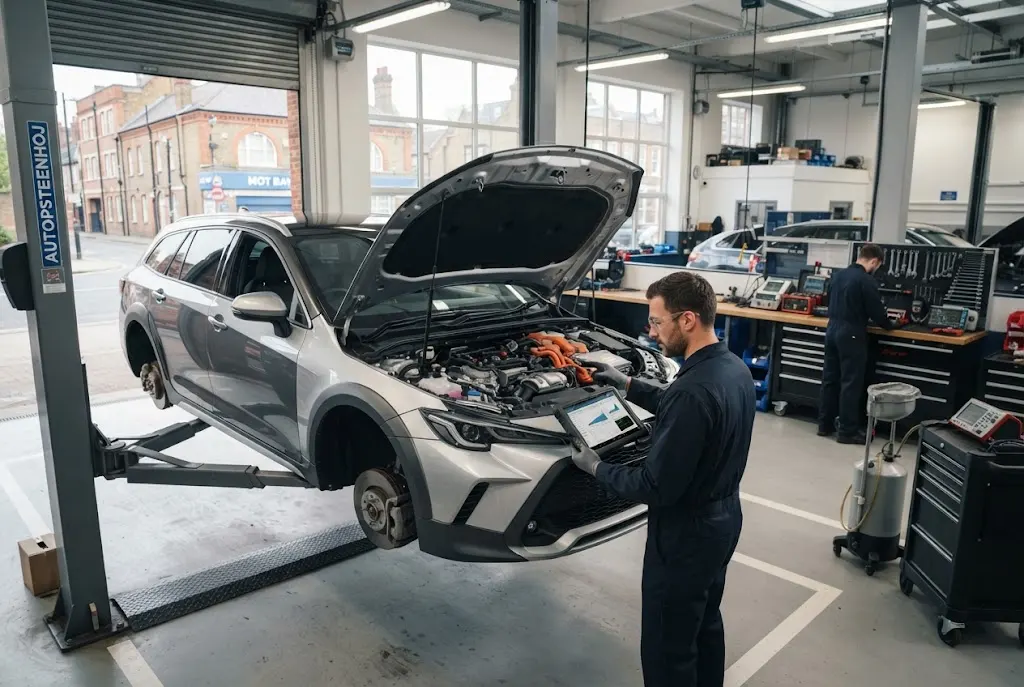
A hybrid contains many familiar components found in conventional vehicles, including brakes, tyres, suspension and other mechanical systems. However, it also incorporates high-voltage electrical components, a traction battery and electronic control systems that require appropriate knowledge and equipment.
That combination means hybrid maintenance should be approached according to the specific vehicle rather than assuming that every car follows the same servicing process.
Why Hybrid Services Require Specialist Awareness
Hybrid vehicles combine technologies that work together to deliver propulsion. The engine, electric motor, battery and control systems can operate in different ways depending on driving conditions.
Because of this, technicians working on hybrid systems need to understand the relevant safety procedures and diagnostic requirements. High-voltage systems should not be treated like ordinary low-voltage automotive electrical components.
For owners, the practical lesson is straightforward: specialist hybrid work should be carried out by appropriately trained professionals using suitable equipment and procedures.
ReflectNow’s resource on auto service garages provides useful context when considering the type of professional support required for vehicle maintenance.
Hybrid Services and Routine Maintenance
Owning a hybrid does not mean that conventional maintenance becomes unnecessary. Tyres, brakes, suspension, fluids, steering components, lights and other systems still require appropriate attention.
In fact, the best maintenance approach considers the vehicle as a complete system. A hybrid powertrain may have specialist requirements, while the rest of the car continues to need ordinary checks and scheduled maintenance.
Following the manufacturer’s service schedule is therefore an important starting point. It provides guidance based on the specific vehicle and can help owners understand when different maintenance tasks are expected.
Battery Care Is an Important Consideration
The traction battery is one of the most distinctive components of a hybrid vehicle. Its condition can influence how the electric system operates, although battery behaviour and maintenance requirements vary between vehicle designs.
Battery care is not simply about trying to extend battery life through a particular driving technique. Owners should follow the manufacturer’s guidance and pay attention to warning messages or changes in vehicle performance.
If a hybrid displays a battery-related warning or develops an unusual electrical or driving issue, professional diagnosis is more appropriate than attempting to investigate high-voltage components independently.
Battery technology continues to evolve, and different hybrid systems use different designs. This is another reason vehicle-specific information matters when planning maintenance.
Hybrid Services and Brake Maintenance
Hybrid vehicles can use regenerative braking, which allows some energy to be recovered during deceleration. This can affect how the braking system operates compared with a conventional vehicle.
However, regenerative braking does not eliminate the need for conventional braking components. Brake discs, pads and other parts still require appropriate inspection and maintenance according to their condition.
Because braking is directly related to road safety, drivers should respond promptly to changes such as unusual noises, vibrations, reduced braking performance or warning indicators.
A professional inspection can help determine whether a braking concern is related to normal wear or another issue requiring attention.
Diagnostics Are Especially Relevant to Modern Hybrids
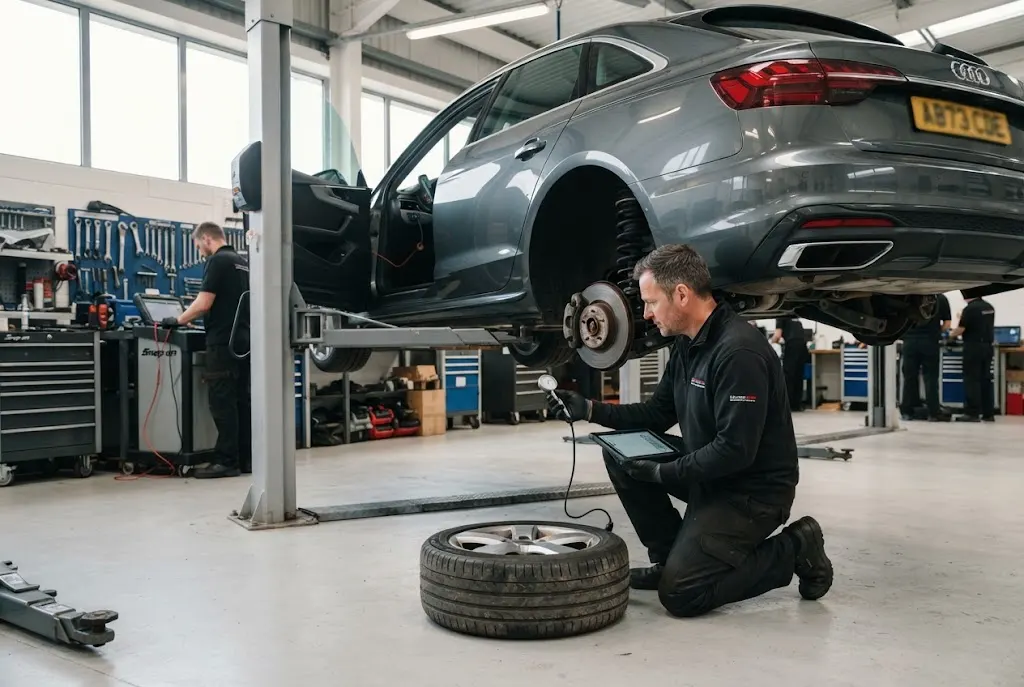
Modern hybrids rely heavily on electronic control systems. When a warning light appears, diagnostic equipment can provide information about the system that has detected a fault.
However, diagnostic codes should be interpreted by someone with appropriate technical knowledge. A code can identify an area requiring investigation without necessarily identifying the complete underlying cause.
Professional diagnostics can therefore form an important part of hybrid maintenance. They can be combined with physical inspection and system testing to establish a more complete picture of the vehicle’s condition.
Hybrid Services Versus EV Servicing
Hybrid vehicles and fully electric vehicles both use electric drive technology, but they are not identical. A hybrid generally combines electric propulsion with an internal combustion engine, while a fully electric vehicle relies on electric propulsion without a conventional engine.
This means their maintenance requirements can overlap while still being different. Hybrid owners may need attention to both engine-related components and electric systems. Fully electric vehicles have different powertrain considerations.
Drivers interested in the wider maintenance picture can explore ReflectNow’s guide to EV servicing for additional information about electric vehicle maintenance.
Why Electric Vehicle Maintenance Is Changing
The growth of electrified vehicles is changing the automotive maintenance landscape. Workshops increasingly need knowledge of high-voltage systems, electronic diagnostics, battery technology and different vehicle architectures.
This does not mean that traditional mechanical skills have become irrelevant. Electric and hybrid vehicles still use many familiar automotive systems, including tyres, steering, suspension and braking components.
Instead, modern servicing requires a broader combination of mechanical and electrical expertise.
Choosing the Right Hybrid Technician
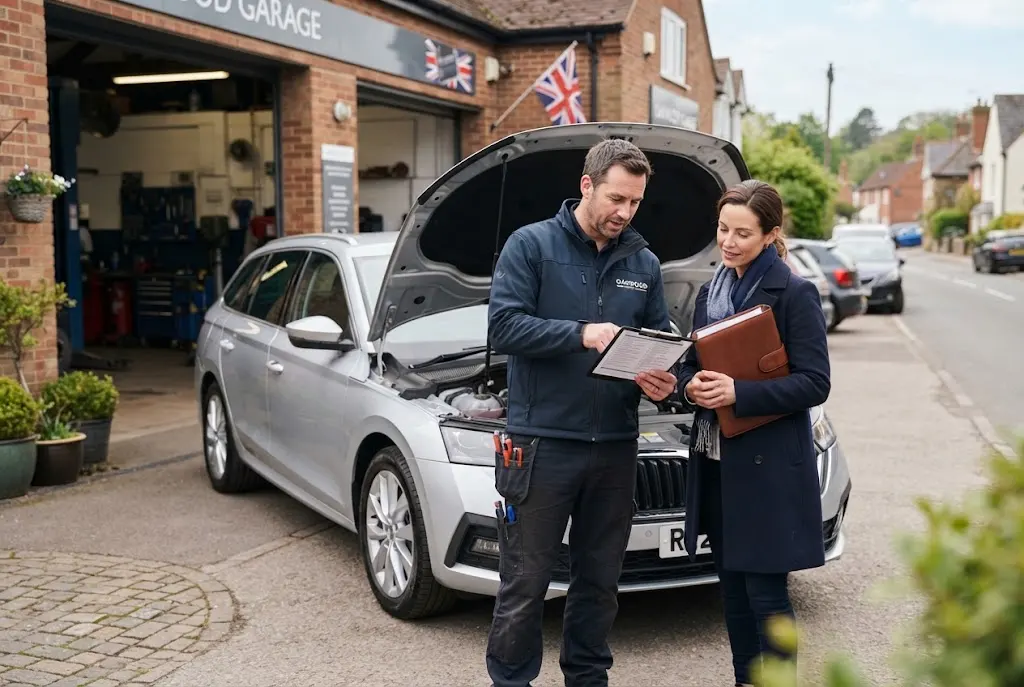
Choosing a suitable service provider is particularly important when specialist hybrid work is involved. Owners should consider whether the garage has the appropriate training, equipment and experience for their vehicle.
It is reasonable to ask what type of hybrid systems the technician works with and whether the garage follows suitable safety procedures for high-voltage systems.
For routine work that does not involve the high-voltage system, the requirements may be different. Nevertheless, the provider should still be capable of carrying out the specific work safely and correctly.
Inspection Can Support Hybrid Vehicle Health
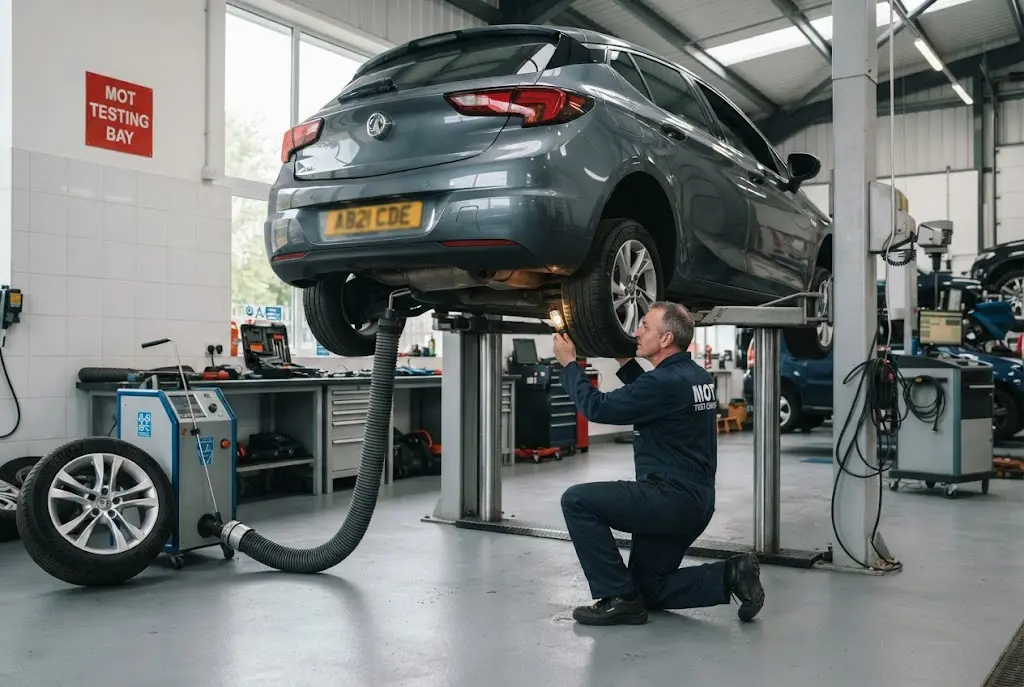
Regular awareness of vehicle condition is valuable regardless of powertrain. An auto inspection service can provide additional information when an owner has concerns about a vehicle or wants a professional assessment.
An inspection can cover appropriate mechanical and electrical areas depending on the service being provided. It may help identify signs of wear or issues that require further investigation.
Inspections do not replace manufacturer-recommended servicing. Instead, they can complement scheduled maintenance by providing additional information when circumstances require it.
Hybrid Maintenance and Sustainable Transport
Hybrid vehicles are part of the wider transition towards lower-emission transport. Their ability to combine electric propulsion with an internal combustion engine has made them one option for drivers looking to adopt different vehicle technology.
However, sustainable transport involves more than choosing a particular powertrain. Keeping a vehicle properly maintained, using it efficiently and considering its full ownership lifecycle are also relevant.
Responsible maintenance can help owners keep their vehicles usable for longer, potentially reducing the need for premature replacement. Vehicle longevity is therefore one consideration within the broader discussion about sustainable ownership.
Driving Habits Can Influence Hybrid Ownership
Hybrid vehicles can behave differently depending on how they are driven. Traffic conditions, journey length, acceleration patterns and other factors can influence how the vehicle’s powertrain operates.
Owners should become familiar with the characteristics of their particular hybrid rather than relying on generic assumptions about fuel economy or battery behaviour.
A more deliberate driving approach can also contribute to responsible vehicle use. ReflectNow’s guide to mindful driving explores how greater awareness behind the wheel can complement good vehicle ownership habits.
Planning Hybrid Maintenance Costs
Hybrid ownership should include a realistic approach to maintenance budgeting. Although some maintenance patterns can differ from conventional vehicles, hybrids are still cars with ongoing running and maintenance expenses.
Owners should account for scheduled servicing, tyres, brakes, inspections and repairs while also recognising that specialist work may have different requirements.
Keeping service records can make future planning easier. Previous invoices and maintenance reports provide useful information about what has already been completed and what may require attention later.
ReflectNow’s article on car service cost provides a broader perspective on maintenance budgeting and ownership costs.
Signs That a Hybrid Needs Professional Attention
Drivers should take changes in vehicle behaviour seriously, particularly when they involve the powertrain or warning systems.
Potential signs that warrant professional assessment can include:
- Hybrid-system warning messages.
- Unexpected changes in vehicle performance.
- Unusual noises or vibrations.
- Changes in braking behaviour.
- Persistent dashboard warning lights.
- Problems starting or operating the vehicle.
- Unusual battery-related warnings.
- Unexpected changes in how the vehicle switches between power sources.
These symptoms do not necessarily indicate a particular fault. They simply indicate that professional assessment may be appropriate, especially where high-voltage systems could be involved.
Why Preventive Maintenance Still Matters
Newer technology does not eliminate the need for preventive care. It changes what owners and technicians need to understand.
Following the manufacturer’s maintenance schedule, responding to warning indicators and arranging appropriate inspections can help owners stay informed about vehicle condition.
Preventive care also supports better planning. When a developing issue is identified early, an owner may have more information available when deciding what action to take.
There is no guarantee that preventive maintenance will prevent every breakdown. Mechanical and electrical faults can occur unexpectedly. The benefit lies in reducing avoidable uncertainty and maintaining awareness of the vehicle’s condition.
Hybrid Services and Long-Term Ownership
Hybrid vehicles can be suitable for long-term ownership when their maintenance needs are understood and appropriately managed. The key is not to assume that hybrid technology makes a vehicle maintenance-free.
Instead, owners should think of maintenance as a combination of conventional automotive care and powertrain-specific attention.
Keeping reliable service records, following manufacturer recommendations and using appropriately trained technicians can support a more organised ownership experience.
For drivers considering the future of their vehicle, this approach can also provide useful information about its condition and remaining maintenance requirements.
A Practical Hybrid Maintenance Routine
A sensible routine for hybrid owners can include:
- Follow the manufacturer’s service schedule.
- Use appropriately trained technicians for specialist hybrid work.
- Respond to hybrid-system and dashboard warnings.
- Keep tyres, brakes and suspension properly maintained.
- Do not attempt to work on high-voltage components without suitable training.
- Keep records of servicing, inspections and repairs.
- Arrange professional diagnostics when warning systems indicate a problem.
- Use inspections when additional information about vehicle condition is needed.
- Understand the specific maintenance requirements of the vehicle.
These habits can help owners manage a modern vehicle without treating every maintenance issue as an unexpected event.
The Future of Vehicle Maintenance
As electrified vehicles become more common, the automotive service industry will continue adapting. Technicians will need to work across mechanical systems, electronic controls, diagnostics and high-voltage technology.
For vehicle owners, this means choosing a maintenance provider based increasingly on relevant technical capability rather than simply proximity or price.
The transition also creates an opportunity for drivers to become more informed about their vehicles. Understanding basic differences between conventional, hybrid and electric powertrains can make conversations with technicians more productive and maintenance decisions more considered.
Making Hybrid Ownership More Sustainable
Sustainable transport is not only about the vehicle’s power source. Responsible ownership also involves keeping vehicles maintained, avoiding unnecessary waste and making informed decisions about repairs and replacement.
Maintaining a vehicle appropriately can support its usable life and help owners get more value from the resources already invested in it.
For hybrid owners, that means treating battery systems, mechanical components and electronic systems as interconnected parts of a vehicle that all deserve appropriate care.
Hybrid Services Support Informed Vehicle Ownership
Hybrid services are an increasingly important part of modern vehicle maintenance. As hybrid technology combines conventional mechanical components with electric systems, owners need maintenance approaches that recognise both sides of the vehicle.
The most practical approach is straightforward: follow the manufacturer’s recommendations, use qualified professionals for specialist work, pay attention to warning signs and keep useful maintenance records.
Owners should also remember that hybrid technology does not remove ordinary maintenance responsibilities. Tyres, brakes, suspension, steering and other vehicle systems still require attention, while the high-voltage components require specialist knowledge.
By combining specialist hybrid maintenance with sensible everyday vehicle care, drivers can support vehicle reliability, battery awareness and long-term ownership. This approach also fits into the wider move towards cleaner mobility while keeping safety and practical vehicle wellbeing at the centre of the ownership experience.