Knowing how these responsibilities work together can help drivers develop better maintenance habits, plan repairs and pay closer attention to vehicle wellbeing. It also helps prevent a common mistake: assuming that passing an MOT means a car no longer needs regular maintenance.
What Is the Difference Between an MOT and Service?
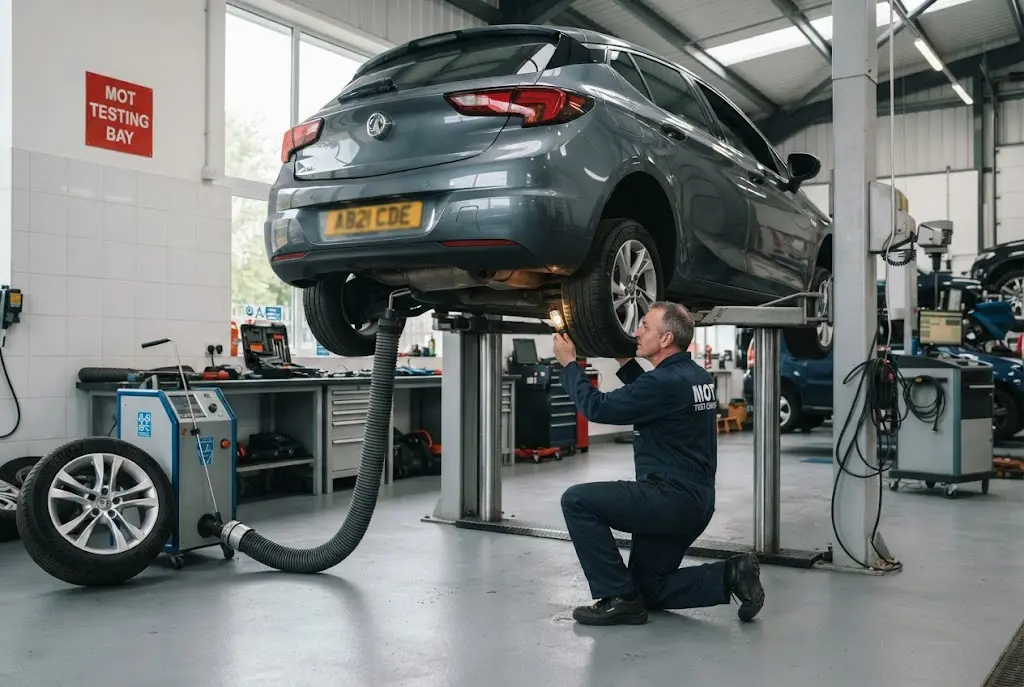
An MOT is a legally required test for most vehicles once they reach the applicable age threshold. It checks a range of components and systems against specific requirements for roadworthiness and environmental standards.
A service is different. Servicing is routine maintenance designed to keep a vehicle operating properly. Depending on the vehicle and manufacturer’s recommendations, servicing can involve checking or replacing fluids, filters, oil, brakes and other components, as well as identifying developing mechanical problems.
In simple terms, an MOT is a required assessment, while servicing is part of ongoing vehicle care. Neither should be treated as a substitute for the other.
Why MOT and Service Should Be Treated Separately
The distinction matters because an MOT certificate does not guarantee that a vehicle will remain mechanically healthy for the entire period until the next test.
A vehicle can pass an MOT and still need routine maintenance. Components may wear after the test, fluids may require replacement, warning lights may appear and manufacturers may specify maintenance at particular mileage or time intervals.
For that reason, responsible ownership involves paying attention to both legal compliance and the vehicle’s wider condition.
ReflectNow’s guide to vehicle maintenance provides a useful starting point for understanding how regular care fits into the broader ownership picture.
MOT and Service: Supporting Road Safety
Road safety depends on more than passing an annual inspection. Drivers also have a responsibility to notice changes in their vehicles and arrange appropriate maintenance when problems arise.
Brakes, tyres, lights, steering, suspension and other safety-related systems can all affect how a vehicle behaves on the road. Some issues may become apparent between MOT appointments, which is why drivers should not wait for the next test before responding to obvious problems.
Simple observations can be valuable. Unusual noises, changes in braking performance, warning lights, vibrations, fluid leaks or changes in steering behaviour may indicate that professional attention is required.
Promptly investigating such changes can help drivers make informed decisions rather than continuing to use a vehicle without understanding a developing fault.
Annual Inspections Are Only One Part of Vehicle Care
For many drivers, the MOT becomes a major annual reminder to think about vehicle condition. However, annual inspections should form part of a wider maintenance routine rather than being the only time a vehicle receives attention.
Between MOT tests, owners should continue following the manufacturer’s maintenance schedule and remain aware of how the car is performing.
This is particularly important for vehicles with higher mileage or those used heavily. Frequent commuting, long journeys, towing and other demanding use can create different maintenance requirements.
Keeping service records can also help owners understand when previous maintenance was completed and what components may need attention in the future.
Vehicle Compliance and Everyday Responsibility
Vehicle compliance is not simply about having the correct paperwork. A driver has an ongoing responsibility to use a vehicle that is safe and suitable for the road.
Government guidance explains that drivers are responsible for ensuring their vehicles remain roadworthy, even when an MOT certificate is current. The MOT itself is a test of specific requirements and does not replace the owner’s responsibility for ongoing maintenance.
This distinction is important because vehicle condition can change after an MOT has been completed. A tyre can become damaged, a light can stop working or a mechanical fault can develop at any point.
Responsible ownership therefore requires attention throughout the year rather than relying exclusively on a single annual appointment.
What Should Drivers Check Between MOT Tests?
Drivers do not need to become professional mechanics to develop useful maintenance awareness. Regular basic observations can help identify issues that deserve further investigation.
- Check that exterior lights are operating correctly.
- Monitor tyre condition and visible damage.
- Pay attention to unusual noises or vibrations.
- Notice changes in braking performance.
- Check for warning lights on the dashboard.
- Look for obvious fluid leaks.
- Keep windscreens, mirrors and number plates clean and unobstructed.
- Follow the vehicle manufacturer’s recommended maintenance schedule.
These checks do not replace professional inspection or servicing. Their purpose is to help drivers remain aware of changes that could require attention.
Why Maintenance Awareness Matters
Maintenance awareness can improve decision-making because it gives owners more information about their vehicles. Instead of treating a car as something that only needs attention when an MOT is due, drivers can develop an ongoing understanding of its condition.
This mindset can also support better financial planning. Identifying a developing issue early may provide more time to obtain professional advice, compare repair options and prepare for the expense.
That does not mean every unusual sound or warning sign will result in an expensive repair. It simply means that investigating potential problems can be more useful than ignoring them until they become disruptive.
When an MOT Result Identifies a Problem
An MOT can result in different types of findings depending on the condition of the vehicle and the severity of any defect identified during the test.
If a vehicle receives a failure or advisory notice, the owner should understand what has been identified and what action is appropriate. Some issues may require repair before the vehicle can legally continue to be used, while advisories can indicate components that should be monitored or addressed.
The correct response depends on the specific defect. Drivers should not assume that every advisory requires an immediate major repair, but neither should advisories automatically be ignored.
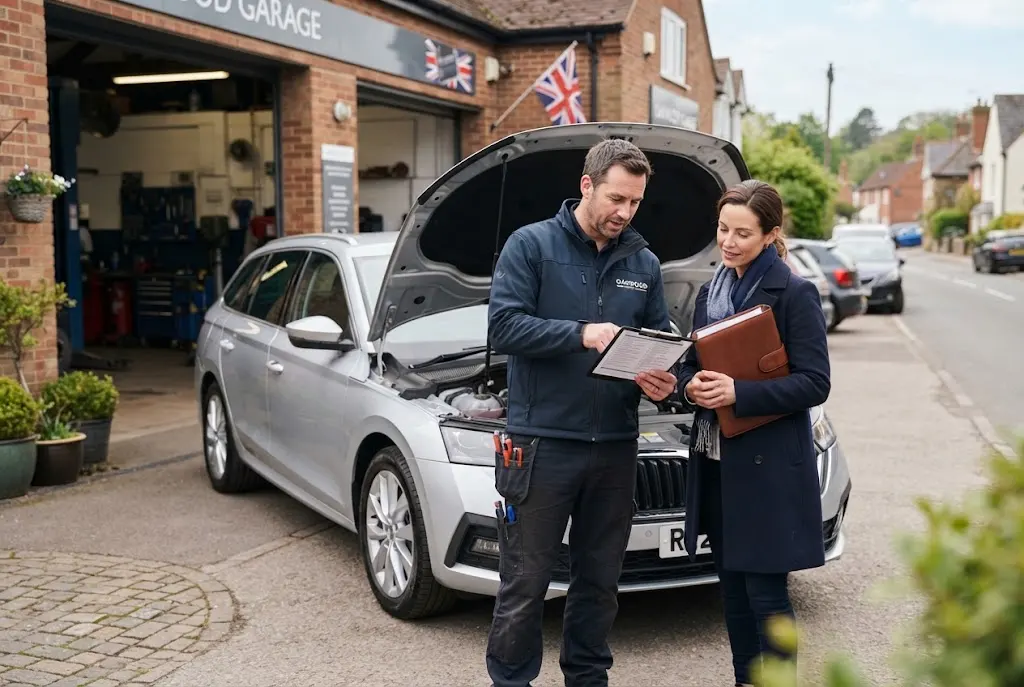
A professional garage can explain the condition of the relevant component and help the owner understand the appropriate next step.
Service Records Can Improve Long-Term Vehicle Wellbeing
A consistent service history provides a useful record of how a vehicle has been maintained. It can show when servicing took place, what parts were replaced and which repairs have already been completed.
This information can be valuable when diagnosing future problems. It may also help owners avoid unnecessary duplication of work by giving technicians access to relevant maintenance history.
For drivers planning to sell a vehicle in the future, organised records can also demonstrate that the car has received appropriate attention during ownership.
Use Professional Inspections When You Need More Information
There are situations where a driver may want more information about a vehicle’s mechanical condition beyond an MOT result. This is where an auto inspection service can be useful.
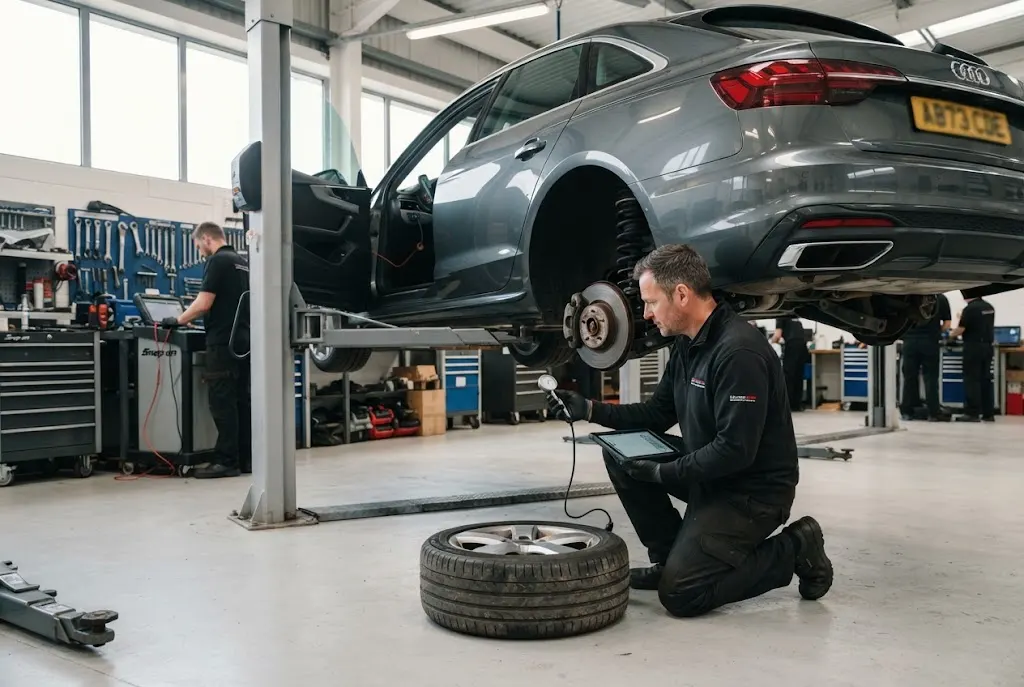
A professional inspection can examine relevant areas of the vehicle and provide additional information about its condition. This can be particularly useful when investigating a suspected issue, assessing a vehicle before purchase or planning future maintenance.
An inspection should not be confused with the MOT. Its purpose and scope depend on the service being provided. The key benefit is that it can give an owner more detailed information for maintenance and repair planning.
MOT and Service Planning for Different Vehicles
Maintenance requirements can vary considerably between vehicles. Age, mileage, manufacturer recommendations, engine type, driving conditions and previous maintenance history can all influence what a particular vehicle needs.
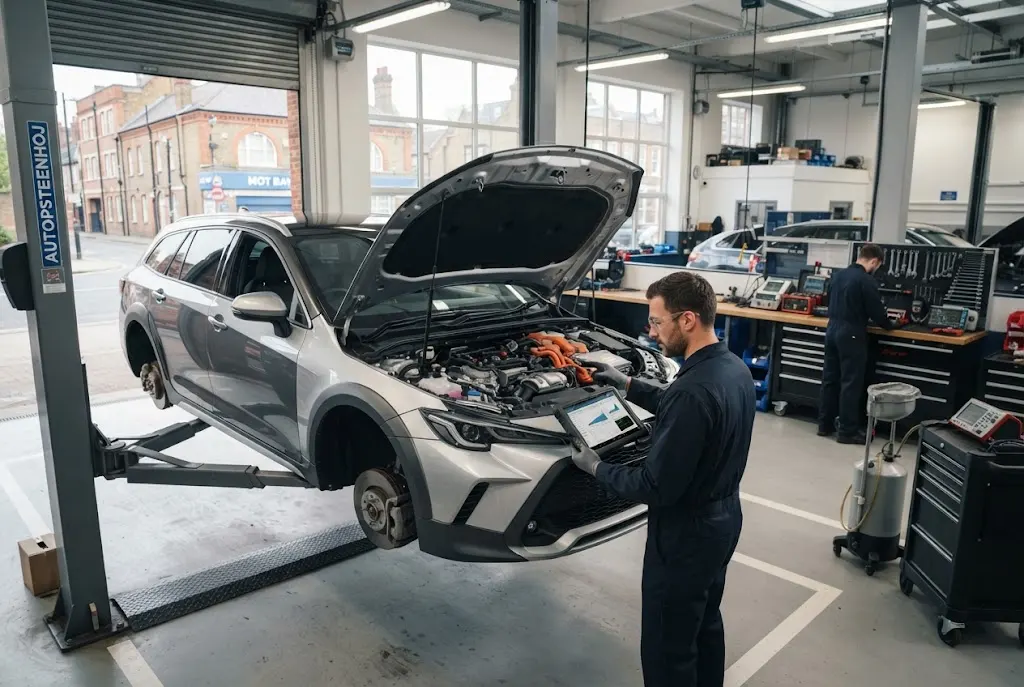
Modern vehicles can also have increasingly complex electrical and electronic systems. Warning lights and diagnostic information may therefore require specialist equipment or technical knowledge.
Owners should follow the maintenance recommendations relevant to their particular vehicle rather than relying on a generic schedule. The same approach applies when choosing a garage: the service provider should be suitable for the vehicle and the work required.
ReflectNow’s information about auto service garages can help readers consider the role of professional servicing as part of their wider vehicle maintenance approach.
Responsible Ownership Is More Than Compliance
Compliance is an important part of responsible vehicle ownership, but it is not the entire picture. A responsible owner also considers safety, maintenance, reliability and the effect that vehicle condition can have on other road users.
This broader ownership mindset encourages drivers to respond to problems instead of assuming that a current MOT certificate removes the need for attention.
It also encourages practical habits such as checking tyres, monitoring dashboard warnings, maintaining service records and arranging repairs when necessary.
How to Build Better Maintenance Habits
A simple routine can make vehicle care easier to manage. Drivers can keep a record of MOT dates, service appointments and significant repairs in one place. Calendar reminders can help prevent important dates from being overlooked.
It is also useful to become familiar with the vehicle’s normal behaviour. Knowing how the brakes feel, how the engine sounds and how the steering normally responds can make unusual changes easier to notice.
When something does change, seeking appropriate professional advice can help determine whether it is a minor issue, routine maintenance requirement or more significant fault.
These habits do not require constant attention. They simply turn vehicle maintenance into an ordinary part of responsible ownership.
Planning for Safer, More Confident Driving
Understanding the relationship between an MOT and service helps drivers approach vehicle ownership with greater awareness. The MOT provides an important formal assessment, while servicing and regular maintenance address the continuing needs of the vehicle.
Keeping these responsibilities separate but connected can help prevent false confidence. Passing an MOT is not the end of vehicle maintenance, just as regular servicing does not replace the legal requirement for an MOT where one applies.
For UK drivers, the most practical approach is to follow the manufacturer’s maintenance guidance, keep the vehicle in a roadworthy condition, respond to warning signs and use qualified professionals when inspection or repair is needed.
Making Vehicle Wellbeing Part of Everyday Ownership
Good vehicle care is ultimately a habit rather than a single appointment. MOT tests, servicing, inspections and everyday checks all have different roles, and together they provide a more complete approach to vehicle wellbeing.
When drivers understand those roles, they can make better decisions about maintenance, repairs and road use. They can also avoid relying on an annual test as their only measure of vehicle condition.
Responsible ownership means recognising that a vehicle’s condition can change throughout the year. Paying attention, keeping useful records and dealing with problems appropriately can support safer driving and more predictable maintenance planning.
The MOT remains an important part of the UK’s vehicle compliance system, but responsible ownership goes further. Regular maintenance awareness and sensible repair planning help ensure that vehicle care continues long after the test certificate has been issued.