

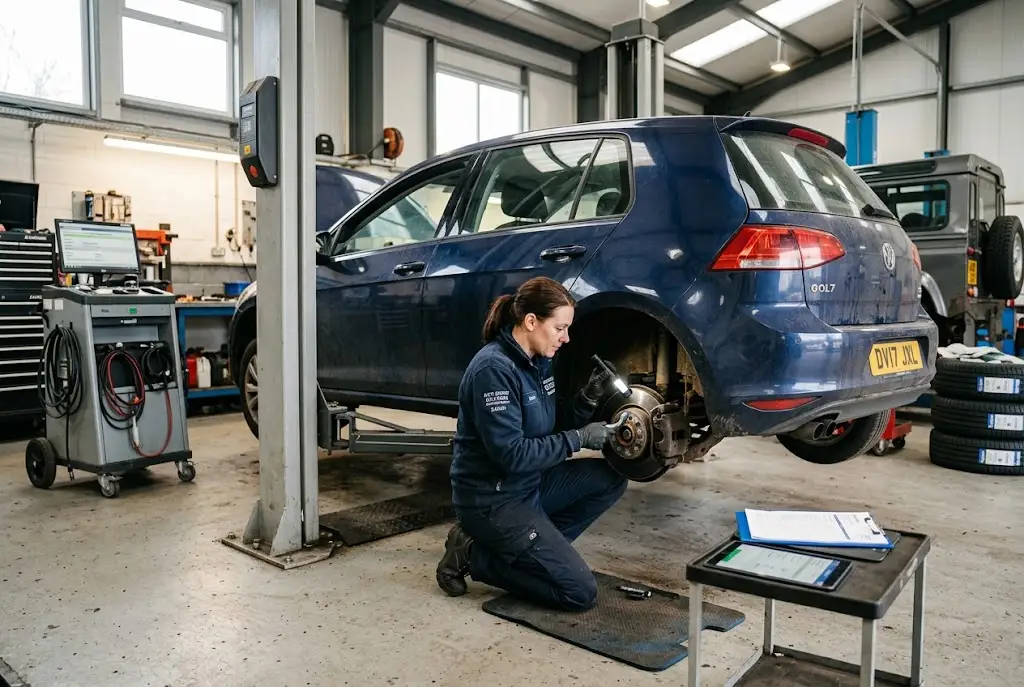
Auto repair services can help keep a vehicle reliable, but deciding whether to repair a car or replace it is not always straightforward. A relatively small fault may be worth fixing, while a combination of expensive repairs and an ageing vehicle can make replacement more sensible. The right decision depends on more than the immediate repair bill. Vehicle condition, maintenance history, future costs, safety and overall value all deserve consideration.
For many drivers, the temptation is to make the decision based on a single number. However, a repair that initially seems expensive may still represent good value if the vehicle is otherwise dependable. Likewise, repeatedly paying for individual repairs can become difficult to justify when several major components are approaching the end of their useful life.
Why Auto Repair Services Matter
Cars inevitably experience wear. Components can deteriorate through mileage, age, driving conditions and normal use, while unexpected mechanical or electrical faults can occur even in vehicles that have been maintained carefully.
Professional auto repair services provide an opportunity to identify the underlying problem and understand what needs to be done. Accurate diagnosis matters because replacing a component without establishing the actual cause of a fault can lead to unnecessary expense.
A professional assessment can also help separate urgent repairs from issues that may be monitored or planned for later. That distinction is useful when a driver needs to manage maintenance costs without overlooking important safety concerns.
Repair or Replace? Start With the Vehicle’s Condition
The first question should not necessarily be, “How much will this repair cost?” Instead, consider the condition of the vehicle as a whole.
A car with a good maintenance history, relatively few recurring problems and a sound overall condition may justify a substantial repair. If the vehicle continues to meet the owner’s needs, repairing one significant component could be more practical than replacing the entire car.
On the other hand, a vehicle with multiple ongoing problems may require a wider assessment. If major repairs are arriving one after another, the latest fault may be part of a larger pattern rather than an isolated event.
Consider the Total Cost of Ownership
Repair decisions become clearer when viewed over a longer period. Instead of comparing one repair invoice with the price of another vehicle, consider the likely cost of keeping the existing car for the next year or two.
This can include upcoming servicing, tyres, brakes, suspension work, insurance, fuel, taxation and other predictable ownership expenses. Not every cost is directly related to the repair decision, but together they provide a more realistic picture of what the vehicle costs to keep.
For example, a £1,000 repair does not necessarily make a car uneconomical. If the vehicle is otherwise reliable and the repair resolves a specific problem, keeping it may still be sensible. Conversely, several large repairs within a short period can change the calculation.
Good vehicle maintenance can make this assessment easier because a clear maintenance history shows what has already been repaired and what may be approaching its service interval.
How Vehicle Age and Mileage Affect Repair Decisions
Age and mileage can provide useful context, but neither should automatically determine whether a vehicle is worth repairing. An older car with a strong maintenance history may be more dependable than a newer vehicle that has been poorly maintained.
Mileage can nevertheless indicate that certain components have experienced substantial use. As a vehicle accumulates mileage, owners may need to consider a wider range of wear-related maintenance and repairs.
The key is to look at the complete picture. Ask whether the vehicle remains mechanically sound, whether problems are becoming more frequent and whether the expected future maintenance is reasonable compared with the value and usefulness of the car.
Think About Vehicle Value
Vehicle value is another factor worth considering, but it should not be used as a rigid rule. A repair costing more than the vehicle’s current market value may still be reasonable if replacing the car would require considerably more money and the existing vehicle remains suitable.
Market value also does not capture everything that matters to an owner. A replacement vehicle may involve additional costs, financing, insurance changes, registration expenses or an uncertain maintenance history.
There can also be practical value in keeping a vehicle you already understand. If its service history is known and it has generally been reliable, that familiarity may have value that is difficult to measure in a simple market-price comparison.
When Auto Repair Services May Make More Sense
Repairing a vehicle can be a sensible choice when the problem is clearly identified, the rest of the car is in good condition and the repair provides reasonable value for continued use.
Several signs may support a repair decision:
- The vehicle has a strong and documented maintenance history.
- The fault is isolated rather than part of a pattern of repeated failures.
- The repair cost is manageable within the ownership budget.
- The car remains suitable for the driver’s current needs.
- There are no significant safety or structural concerns affecting the wider vehicle.
- Expected future maintenance appears reasonable.
In these circumstances, professional auto repair services can be a practical way to extend the useful life of a vehicle without committing to the much larger cost of replacement.
When Replacement May Be Worth Considering
Replacement becomes more relevant when repair costs are combined with broader concerns about the vehicle. A single expensive repair does not automatically justify buying another car, but a pattern of increasing costs can be significant.
Drivers may want to consider replacement when the vehicle has several major faults, repeated breakdowns or significant problems that are likely to require further investment. Safety concerns that cannot be addressed economically can also change the decision.
Another consideration is whether the vehicle still matches the owner’s circumstances. A car that was appropriate several years ago may no longer suit a longer commute, growing family, changing accessibility needs or different driving requirements.
Ask What Happens If You Delay the Repair
Not every repair has the same level of urgency. When a garage recommends additional work, ask the technician to explain what the problem is and what could happen if the repair is delayed.
Some issues can potentially be monitored for a period, while others may affect safety or cause additional damage if left unresolved. Understanding that difference helps drivers prioritise spending responsibly.
It is also useful to ask whether the recommended repair addresses the root cause or simply replaces a worn component. A clear explanation can make it easier to decide whether the proposed work is appropriate.
Use Your Service History as a Decision-Making Tool
A vehicle’s service history can provide valuable evidence when making repair decisions. It can show how frequently the car has required attention and whether significant components have already been replaced.
If the same system has repeatedly required repair, that pattern deserves attention. Similarly, a history showing consistent routine servicing may provide greater confidence when deciding to invest in a significant repair.
This is one reason regular car servicing matters beyond routine maintenance. It creates a clearer record of the vehicle’s condition and can support better decisions later in its ownership journey.
Repair Decisions and Financial Wellbeing
Vehicle costs can put pressure on household budgets, particularly when an unexpected repair arrives alongside other expenses. A more structured approach can reduce the temptation to make a rushed decision.
Start by getting a clear diagnosis and an itemised estimate where appropriate. Then consider whether the repair is urgent, what other maintenance may be approaching and how long you realistically expect to keep the vehicle.
If replacement is being considered, compare the complete cost rather than just the purchase price. A replacement vehicle may require a deposit or finance payments, insurance, servicing, tyres and other running costs. The financial comparison should therefore cover the wider ownership period.
Repair Planning for Older Vehicles
Older vehicles can still provide useful and reliable transport when properly maintained. However, repair planning becomes increasingly important as vehicles age.
Owners should keep track of recurring issues and upcoming maintenance rather than treating every repair independently. If several significant components are likely to need attention soon, understanding that future picture can prevent an unpleasant financial surprise.
At the same time, age alone should not be treated as a reason to replace a vehicle. A well-maintained older car can sometimes make more financial sense than purchasing another used vehicle with an unknown history.
Get a Professional Assessment Before Deciding
When the decision is difficult, professional advice can provide useful information. A qualified technician can inspect the vehicle, identify the fault and explain the likely repair requirements.
Drivers should feel comfortable asking questions about the repair. Find out which work is essential, which items are recommended and whether there are related components that may need attention in the future.
A second professional opinion can also be useful for a particularly expensive or complicated repair. The objective is not simply to find the cheapest estimate, but to understand the condition of the vehicle and make a decision based on reliable information.
How MOT Results Fit Into Repair Decisions
An MOT result can provide additional information about the vehicle, but it should not be the only factor used when deciding whether to repair or replace. An MOT assesses whether a vehicle meets specific road safety and environmental standards at the time of its test.
Maintenance and repairs remain an ongoing responsibility between tests. A vehicle can pass an MOT and still require servicing or other work during the year.
Understanding the relationship between testing and maintenance is therefore useful when evaluating the wider ownership picture. Our guide to MOT and service provides further context on how these two aspects of vehicle care work together.
A Practical Repair-or-Replace Checklist
Before making a final decision, consider these questions:
- What exactly has failed?
- How urgent is the repair?
- What is the total repair cost?
- What other maintenance is likely to be needed soon?
- How reliable has the vehicle been recently?
- What does the service history show?
- Is the vehicle still suitable for current needs?
- What would replacing the vehicle realistically cost?
- Would a replacement bring its own unknown maintenance risks?
- How long would you expect to keep the vehicle after the repair?
Answering these questions can turn an emotional decision into a more structured ownership choice.
Final Thoughts on Auto Repair Services
Auto repair services are an important part of maintaining a vehicle, but the bigger question is whether a particular repair remains worthwhile within the context of overall ownership. A single repair should rarely be viewed in isolation.
Consider the vehicle’s condition, service history, mileage, age, future maintenance requirements and current usefulness. Then compare the likely cost of continued ownership with the genuine cost of replacement.
For some drivers, repairing an existing vehicle will clearly be the smarter option. For others, repeated faults and rising costs may indicate that replacement deserves serious consideration. The best decision is ultimately the one supported by reliable information, realistic cost comparisons and the vehicle’s actual condition.
Taking this approach makes repair planning less reactive and supports a more thoughtful model of vehicle ownership. Rather than asking only what a repair costs today, drivers can ask what choice makes the most sense for their safety, finances and mobility over the longer term.
