Vehicle maintenance is one of the most practical ways to protect a car’s reliability, safety and long-term value. Rather than waiting for a warning light, unusual noise or breakdown to force a decision, preventive maintenance encourages drivers to plan ahead and pay attention to the condition of their vehicle. For anyone aiming for more responsible and predictable car ownership, a sensible maintenance routine can make a significant difference.
Every vehicle experiences wear through normal use. Brakes, tyres, fluids, batteries, filters and other components can gradually change in condition even when the car appears to be running normally. Regular checks and appropriate servicing help owners identify what needs attention and decide when action is worthwhile.
What Is Vehicle Maintenance?
Vehicle maintenance refers to the routine checks, inspections, servicing and upkeep carried out to keep a vehicle in suitable operating condition. It includes scheduled work recommended for the vehicle as well as attention to problems identified through everyday driving.
The exact requirements vary from one vehicle to another. A car’s age, mileage, manufacturer recommendations, driving conditions and service history can all influence its maintenance needs. Someone who mainly drives short urban journeys may have different requirements from a motorist who regularly covers long motorway distances.
Maintenance therefore works best as an ongoing process rather than a fixed checklist that applies equally to every car. The aim is to understand what a particular vehicle needs and deal with appropriate maintenance at sensible intervals.
Why Vehicle Maintenance Matters
Preventive maintenance can help reduce the likelihood of avoidable problems developing unnoticed. A small issue may be easier to address when it is identified early, whereas leaving it unattended can sometimes result in additional wear or a more disruptive repair.
Maintenance also gives drivers greater visibility over their vehicle’s condition. Instead of making decisions only after something fails, owners can use service records, inspections and professional recommendations to plan future work.
There is a practical ownership benefit too. Unexpected vehicle problems can disrupt work, travel and family commitments. A planned maintenance routine cannot eliminate every possible breakdown, but it can help reduce the number of problems that arise simply because routine attention was postponed.
Vehicle Maintenance and Preventive Care
Preventive maintenance is based on a straightforward principle: look after important components before they become a source of avoidable trouble. This does not mean replacing every part at the first sign of wear. Instead, it means monitoring condition and responding appropriately.
For example, tyres should be checked for suitable pressure, tread condition and visible damage. Braking performance should be taken seriously if a driver notices changes in stopping behaviour, unusual noises or other warning signs. Fluid levels, lights, battery condition and other basic items can also form part of a sensible vehicle care routine.
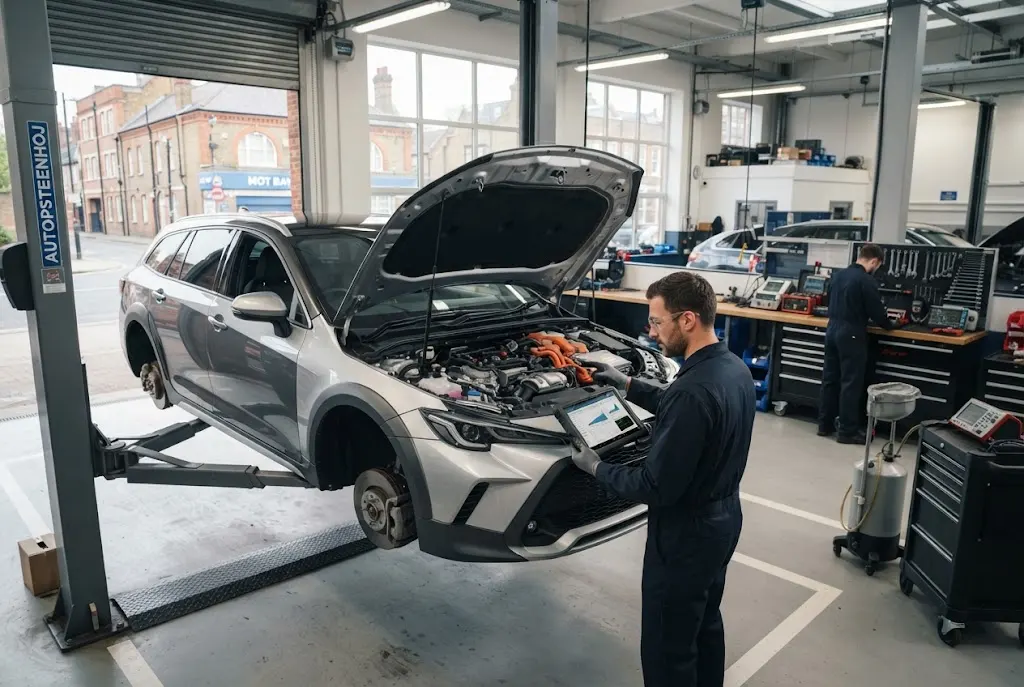
Drivers should not rely on their own checks for work that requires specialist knowledge. Professional technicians can inspect systems in greater detail and use appropriate diagnostic equipment when necessary.
Following a Maintenance Schedule
A maintenance schedule provides a useful framework for keeping track of routine vehicle care. Manufacturer guidance is an important starting point because service intervals and maintenance requirements differ between vehicles.
Some maintenance is based primarily on mileage, while other requirements may be influenced by time. Certain components may also have specific replacement or inspection intervals. This is why relying on memory alone can be unreliable, particularly for vehicles that are used frequently.
Keeping a record of servicing and repairs makes future planning easier. A service book, digital record or simple maintenance log can show when work was completed and provide useful information when a technician assesses the vehicle.
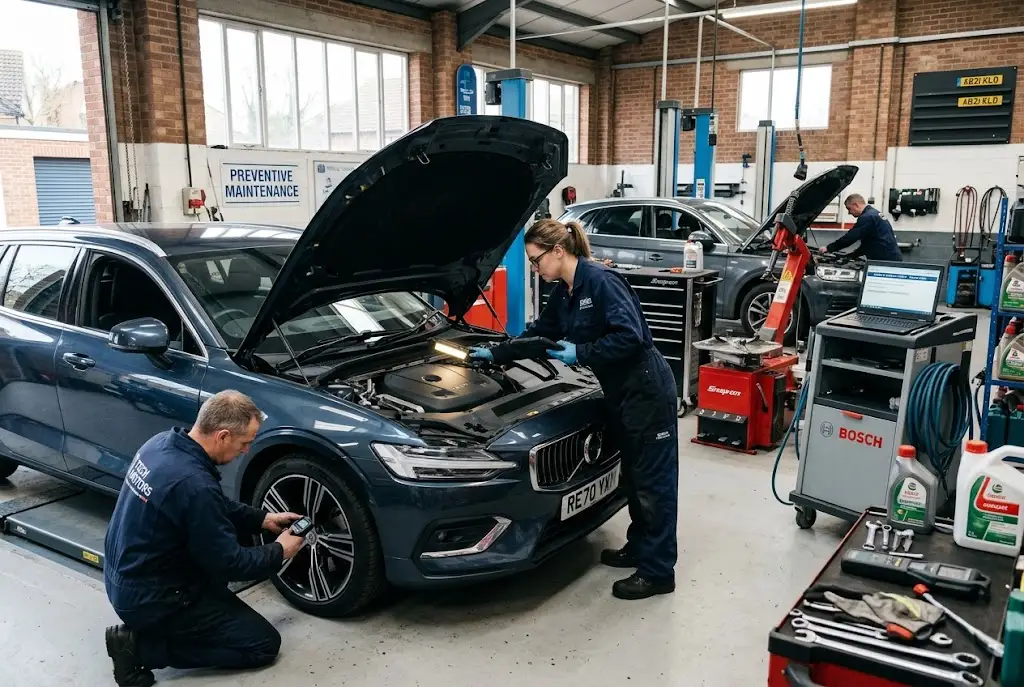
Regular car servicing can form an important part of this schedule. Servicing provides an opportunity for a professional to assess the vehicle and carry out appropriate routine maintenance according to its requirements.
Simple Vehicle Maintenance Habits for Drivers
Not every maintenance task requires specialist equipment. Drivers can develop several simple habits that help them stay aware of their vehicle’s condition.
Check Tyres Regularly
Tyre pressure and condition can change over time. Checking pressures according to the vehicle manufacturer’s guidance and looking for visible damage or unusual wear can help drivers identify potential concerns.
Pay Attention to Warning Signs
Warning lights, unusual vibrations, strange noises, changes in steering or altered braking behaviour should not simply be ignored. A vehicle often provides clues when something has changed, and responding promptly can make investigation easier.
Keep Maintenance Records
Records help establish a clear history of the vehicle. Note important servicing, repairs and replacement work so that future maintenance decisions are based on information rather than guesswork.
Do Not Ignore Scheduled Work
Routine maintenance can be easy to postpone when a vehicle feels fine. However, scheduled attention exists because certain components and systems have specific maintenance requirements. Following appropriate manufacturer guidance is therefore an important part of responsible ownership.
Vehicle Maintenance and Reliability
Reliability is one of the biggest reasons drivers should take maintenance seriously. A vehicle that is regularly inspected and appropriately maintained is easier to understand than one with an incomplete or uncertain history.
This does not mean that a well-maintained car can never develop a fault. Mechanical and electrical failures can occur without warning. However, consistent maintenance gives owners a better opportunity to identify developing issues and address known requirements before they become more disruptive.
It can also help owners recognise recurring problems. If the same issue repeatedly appears during inspections or repairs, the wider condition of the vehicle may need to be considered rather than treating each occurrence as an isolated event.
Maintenance Planning and Long-Term Ownership
Vehicle maintenance becomes particularly valuable when a driver intends to keep a car for several years. Long-term ownership requires a different mindset from simply keeping a vehicle running until its next sale.
Planning maintenance means considering upcoming service intervals, likely wear items and the vehicle’s overall condition. This can help owners budget for routine work and avoid being surprised by predictable maintenance requirements.
It also encourages a broader view of vehicle value. A maintenance expense should not automatically be considered money wasted. If the vehicle remains suitable for the owner’s needs and is otherwise in good condition, appropriate maintenance can be part of preserving its usefulness.
Vehicle Maintenance and the Repair Decision
Preventive care and repair decisions are closely connected. A maintenance inspection may identify a component that needs attention, but that does not necessarily mean the owner should approve every possible repair without discussion.
When significant work is recommended, drivers can ask what has failed, how urgent the repair is and whether delaying it could create a safety or reliability concern. It is also reasonable to consider the vehicle’s age, mileage, overall condition and previous repair history.
Our guide to auto repair services explores the wider question of repair decisions and how owners can think about maintenance costs and vehicle value together.
The important point is that maintenance planning should provide information for better decisions. It should not encourage unnecessary spending simply for the sake of keeping an older vehicle on the road.
Vehicle Maintenance, MOTs and Safety
Vehicle maintenance should also be considered alongside the MOT. An MOT is a required test for vehicles that are subject to the testing rules, while routine maintenance is an ongoing responsibility throughout the year.
A valid MOT does not mean that a vehicle requires no further maintenance until the next test. Conditions can change after an inspection, and components can wear between tests. Drivers should therefore continue to monitor their vehicles and arrange appropriate servicing or repairs when needed.
For a broader understanding of how testing and routine maintenance work together, the guide to MOT and service provides a useful next step within this vehicle care topic.
Can Maintenance Support Sustainable Ownership?
Thoughtful maintenance can contribute to a more sustainable approach to vehicle ownership by helping owners make informed decisions about when a vehicle should be repaired, retained or replaced.
Keeping a vehicle in suitable condition may allow it to remain useful for longer, although extending ownership is not automatically the best choice in every situation. A vehicle that requires increasingly frequent and expensive repairs may eventually become impractical.
The sustainable approach is therefore not simply to keep an old vehicle indefinitely. It is to consider the vehicle’s condition, maintenance requirements, usefulness and wider ownership costs before making a decision.
When Professional Vehicle Maintenance Is Important
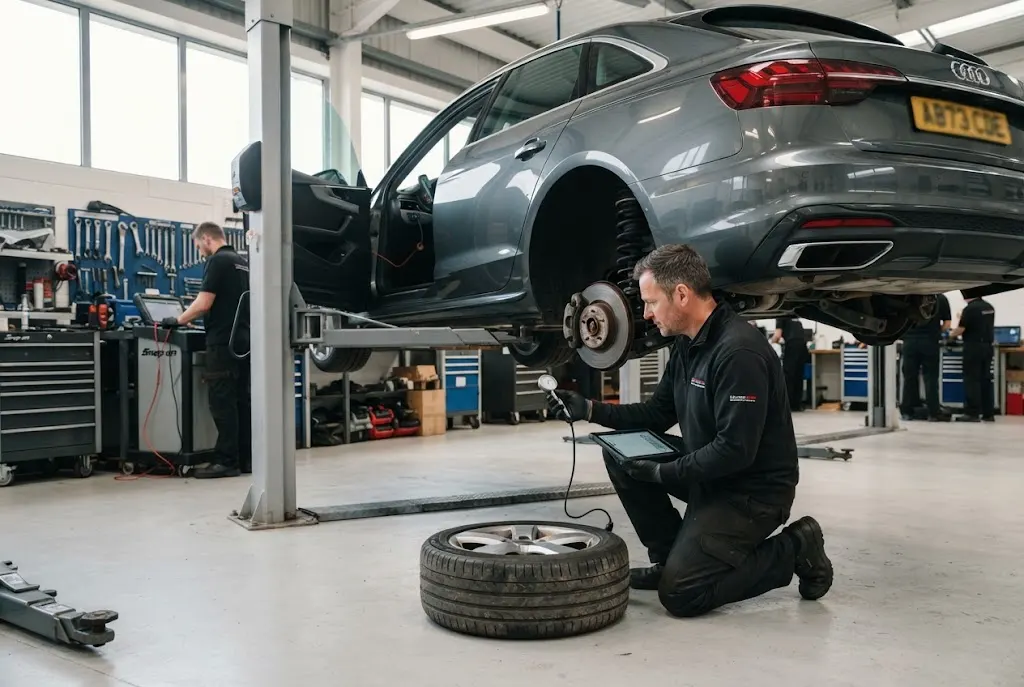
Professional attention becomes especially important when a driver notices symptoms they cannot confidently identify or when a maintenance task requires specialist equipment. Modern vehicles contain increasingly complex mechanical, electrical and electronic systems, and accurate diagnosis can prevent owners from guessing at the cause of a problem.
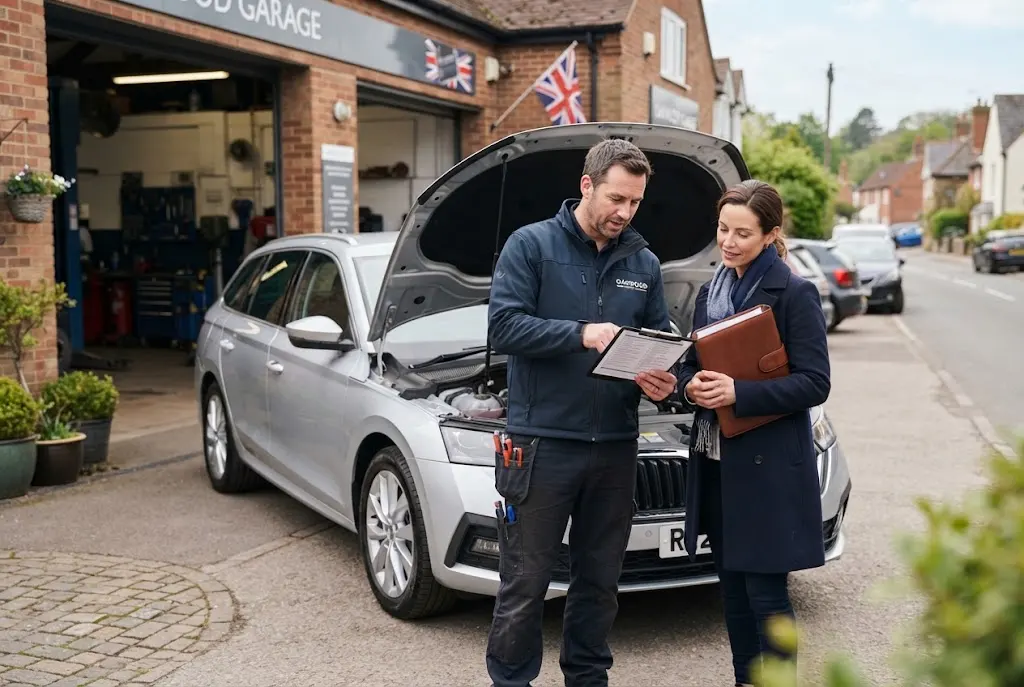
A qualified technician can inspect relevant systems, explain the findings and help the owner understand what work may be necessary. Drivers should ask questions if they are unsure about a recommendation and request a clear explanation before authorising significant additional work.
Professional maintenance is also useful when preparing for major journeys. If a vehicle will be used for a long road trip, carrying heavy loads or operating in demanding conditions, checking its condition beforehand can provide additional reassurance.
Creating a Better Vehicle Maintenance Routine
A practical maintenance routine does not need to be complicated. Start with the manufacturer’s recommended schedule and keep a record of completed servicing and repairs. Between professional appointments, pay attention to tyre condition, warning lights, fluid levels and changes in how the vehicle drives.
Next, separate routine work from urgent problems. Not every maintenance recommendation requires immediate action, but safety-related concerns should never be treated casually. Ask the technician to explain priorities so that you understand what needs attention first.
Finally, review the vehicle as a whole. If maintenance costs are increasing, consider the car’s overall condition and expected future needs rather than looking at individual repair bills in isolation. This approach can support smarter long-term ownership decisions.
Final Thoughts on Vehicle Maintenance
Vehicle maintenance is ultimately about being proactive rather than reactive. Regular checks, appropriate servicing, good records and timely repairs can help drivers understand their vehicles and make better decisions throughout ownership.
Preventive maintenance cannot guarantee that a vehicle will never develop a fault, but it can create a stronger maintenance culture and reduce the risk of predictable problems being overlooked. It can also help owners balance reliability, safety, costs and long-term value.
For motorists who want a more thoughtful approach to vehicle ownership, the goal is simple: understand the vehicle’s needs, follow suitable maintenance guidance and deal with problems before they become unnecessarily disruptive. That mindset supports safer journeys and more sustainable, informed ownership over the long term.