Rather than treating servicing as an unavoidable surprise, drivers can approach maintenance as part of their long-term ownership plan. Knowing what influences service prices, keeping useful records and understanding the condition of the vehicle can all contribute to smarter spending.
What Influences Car Service Cost?
There is no single service price that applies to every car. The final car service cost can depend on the vehicle’s make, model, age, mileage, engine or powertrain, service schedule and current condition.
The type of service also matters. A routine service may involve a defined group of checks and maintenance tasks, while a more comprehensive service may require additional inspections, replacement items or diagnostic work. The parts and fluids specified for the vehicle can also affect the final invoice.
Labour rates vary between garages and locations, while specialist vehicles may require technicians with particular training or equipment. If an inspection identifies worn brakes, tyres, suspension components or another developing fault, the cost of maintaining the vehicle may extend beyond the original service price.
This is why comparing headline prices alone can be misleading. Two garages may advertise different prices while providing different levels of service.
Look at Maintenance as Part of Ownership Costs
Vehicle ownership costs extend beyond the monthly finance payment or purchase price. Fuel, insurance, road-related expenses, servicing, tyres, repairs and other maintenance requirements all contribute to the amount a driver spends over time.
Thinking about maintenance in this wider context can change the way drivers respond to service bills. Instead of viewing every maintenance appointment as an unexpected financial burden, routine spending can become part of a planned ownership budget.
This approach is particularly useful for people who intend to keep a vehicle for several years. A consistent maintenance routine can help owners understand where money is being spent and identify recurring costs that may need to be considered in future budgets.
ReflectNow’s guide to vehicle maintenance also explores how planned servicing, basic checks and timely attention can form part of a more organised approach to car care.
Why Maintenance Budgeting Makes Sense
Maintenance budgeting does not require an elaborate financial system. The basic idea is to recognise that vehicles need ongoing attention and to prepare for expected expenses while keeping some flexibility for unexpected repairs.
Start with the manufacturer’s recommended maintenance schedule. Note when the next service is due and consider other predictable requirements such as tyres, brakes, fluids and inspection-related expenses. Previous invoices can also provide useful information about how much has been spent on the vehicle.
Historical spending cannot predict the exact cost of a future repair, but it can improve cost awareness. If a vehicle has already needed several repairs in a short period, that information may be relevant when considering its future ownership costs.
A maintenance budget should also allow for uncertainty. Mechanical components can wear differently depending on mileage, driving conditions, vehicle age and usage. Setting aside some money for unexpected work can therefore make ownership more financially manageable.
Compare Service Quotes Properly
When looking at car service cost, compare like with like. A lower quote is not necessarily cheaper overall if important work or parts are excluded.
Before booking a service, ask the garage:
- What type of service is included?
- Which parts and fluids are covered?
- Is labour included in the quoted price?
- Are diagnostic checks included where relevant?
- Could additional work be recommended after inspection?
- What happens if a worn component is discovered?
- Will the garage provide a record of the work completed?
- Are any manufacturer-specific requirements relevant to the vehicle?
Clear answers make it easier to compare providers and understand what you are actually paying for. They can also reduce misunderstandings when the final invoice differs from the initial estimate because additional work has been identified.
Repair Planning Can Reduce Financial Surprises
Not every repair discovered during servicing has the same level of urgency. Some issues may require prompt attention because they affect safety or roadworthiness. Others may involve wear that can be monitored and planned for appropriately.
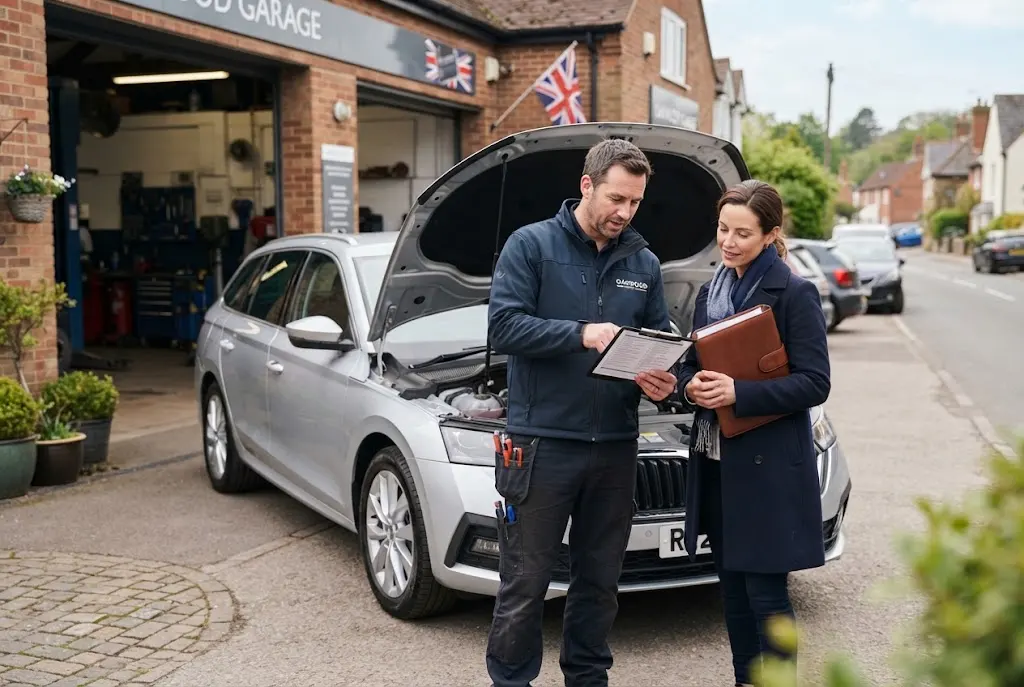
When a mechanic recommends additional work, ask what the problem is, why it matters, how urgent it is and what could happen if it is delayed. These questions are not about ignoring professional advice. They are about understanding the recommendation so that you can make an informed repair plan.
Safety-related work should not be postponed simply to reduce short-term spending. At the same time, understanding the difference between urgent repairs and planned maintenance can help prevent every recommendation from becoming an immediate financial shock.
For a broader look at this decision-making process, drivers can read auto repair services and smarter repair decisions as part of their overall maintenance strategy.
Vehicle Condition Matters More Than the Invoice Alone
The condition of a vehicle can have a significant influence on its maintenance expenses. Two cars of the same age and model may have very different service requirements because of differences in mileage, driving conditions, maintenance history and previous repairs.
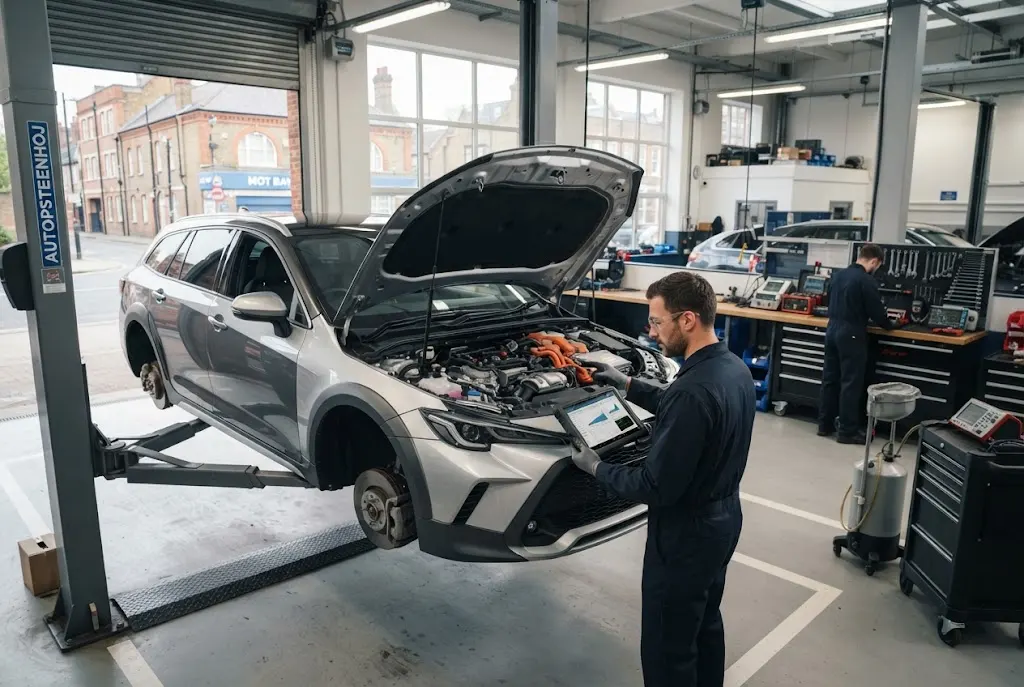
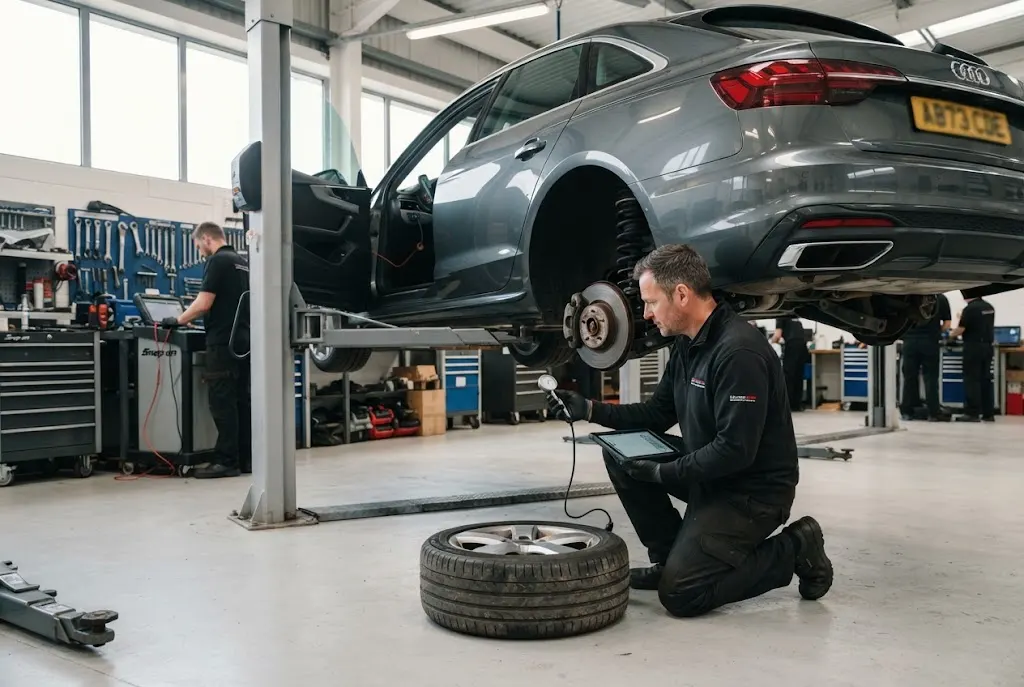
This is why preventive checks can be valuable. An auto inspection service can provide useful information about the condition of important components and help an owner understand what may require attention.
An inspection cannot guarantee that future repairs will be avoided. Its value is in providing information. Knowing that a component is beginning to show wear can give an owner an opportunity to plan rather than wait until the issue becomes disruptive.
For example, a driver who knows that tyres are approaching replacement may be able to include that expense in a future budget. Similarly, understanding the condition of brakes or suspension can make future maintenance planning more structured.
Choose Value Rather Than Chasing the Lowest Price
It is natural to look for ways to reduce vehicle expenses. However, smarter spending does not necessarily mean choosing the lowest available quote.
Value depends on what the service includes, whether the work is appropriate for the vehicle, the suitability of replacement parts, the technician’s expertise and the quality of communication. A very low initial quote may not represent good value if important items are excluded or additional charges appear later.
On the other hand, paying more does not automatically guarantee better service. The sensible approach is to understand what is being offered and compare the relevant details.
Choosing a suitable auto service garage can also help create continuity. A workshop familiar with the vehicle’s service history may be better placed to understand previous repairs and discuss future maintenance requirements.
Service History Supports Long-Term Planning
Keeping a record of servicing and repairs is one of the simplest ways to improve maintenance awareness. Store invoices, service records, inspection results and details of significant repairs in one place.
A clear history can show when particular maintenance work was completed and may help identify patterns. It can also give a future technician useful information when diagnosing a new problem.
Service documentation may become particularly valuable when a vehicle is eventually sold. A well-organised record gives a potential buyer more information about how the car has been maintained and what work has already been carried out.
Good record keeping therefore supports both financial planning and the long-term value of the vehicle.
Convenience Is Also Part of the Real Cost
When people discuss vehicle expenses, they often focus entirely on money. However, time and inconvenience also have a practical cost.
Taking a car to a workshop can involve travel, waiting, alternative transport and time away from work or family responsibilities. For suitable jobs, a mobile auto service may provide a more convenient alternative by allowing certain maintenance or repairs to take place at an agreed location.
Mobile servicing is not suitable for every type of repair. Some work requires specialist workshop equipment or facilities. The important point is that drivers can consider both the financial and practical sides of maintenance when deciding how to arrange suitable work.
Modern Vehicles Require Different Maintenance Decisions
Powertrain technology can also influence maintenance planning. Petrol and diesel vehicles have different requirements from hybrid and fully electric cars, while individual manufacturers can specify their own maintenance procedures.
Drivers considering electrified vehicles can explore ReflectNow’s guide to hybrid servicing and its detailed resource on EV servicing. Understanding the maintenance needs of a particular powertrain can help owners plan future spending more realistically.
The important principle is not to assume that one maintenance budget works for every vehicle. Service requirements should be based on the actual car, its manufacturer guidance, its condition and how it is used.
How Driving Habits Can Affect Maintenance
Maintenance is not completely separate from everyday driving. How a vehicle is used can influence the demands placed on tyres, brakes, suspension and other components.
Frequent short journeys, heavy traffic, long-distance driving, towing and demanding road conditions can all create different maintenance considerations. Drivers should therefore pay attention to changes in the vehicle rather than relying exclusively on a calendar-based schedule.
A more considered driving approach can complement mechanical maintenance. ReflectNow’s article on mindful driving explores how awareness and more deliberate driving habits can form part of responsible everyday motoring.
Car Service Cost and Long-Term Vehicle Value
Maintenance spending should also be considered alongside the vehicle’s long-term value. Keeping a car in appropriate condition does not mean spending unlimited amounts on every possible repair. It means making decisions based on the vehicle’s condition, expected future use, age, mileage and overall circumstances.
A relatively modest maintenance expense may make sense for a reliable vehicle that the owner expects to keep for several more years. Conversely, a vehicle with frequent major faults may require a more careful assessment of whether continued spending remains practical.
There is no universal financial formula because every vehicle and owner is different. The useful principle is to consider individual repairs within the wider ownership picture rather than judging every invoice in isolation.
Build a More Practical Maintenance Strategy
A sensible maintenance strategy can be built around a few consistent habits:
- Keep track of scheduled servicing.
- Record previous repairs and maintenance expenses.
- Set aside money for routine vehicle costs.
- Keep some flexibility for unexpected repairs.
- Compare service quotes based on what they actually include.
- Ask questions about the urgency of recommended repairs.
- Pay attention to warning lights and changes in vehicle behaviour.
- Use inspections to improve awareness of vehicle condition.
- Follow manufacturer-specific maintenance guidance.
- Choose professional support that matches the vehicle and work required.
These habits are not about spending more money on a vehicle. They are about spending more deliberately.
Smarter Spending Starts With Cost Awareness
Understanding car service cost is ultimately about more than finding a cheap service. It is about recognising maintenance as a normal part of vehicle ownership and making decisions with enough information to understand where the money is going.
Maintenance budgeting can make routine expenses easier to anticipate. Repair planning can help separate urgent work from issues that can reasonably be scheduled. Service records can improve long-term awareness, while professional inspections can provide a clearer picture of vehicle health.
Drivers can also look beyond the immediate invoice. The suitability of the garage, quality of communication, convenience of the service, condition of the vehicle and expected future use all contribute to the wider value of a maintenance decision.
A More Responsible Approach to Vehicle Spending
Vehicle ownership becomes easier to manage when servicing is treated as part of a long-term plan rather than an occasional financial surprise. A thoughtful owner does not simply ask, “How much is this service?” They also consider what the service includes, what the vehicle needs, what may need attention next and how the expense fits into the wider ownership picture.
That mindset supports smarter spending without encouraging unnecessary work. It also helps drivers recognise that responsible vehicle ownership involves maintenance awareness, practical budgeting, timely repairs and attention to safety.
The goal is not to eliminate every vehicle expense. Cars require ongoing care, and unexpected problems can happen even when a vehicle has been well maintained. The goal is to understand those costs, plan where possible and make decisions based on the vehicle’s actual needs.
By combining sensible maintenance budgeting, transparent service comparisons, repair planning and regular attention to vehicle condition, UK drivers can develop a more confident approach to ownership. In the long term, better cost awareness can support financial wellbeing while helping protect the reliability, usability and value of the vehicle.